

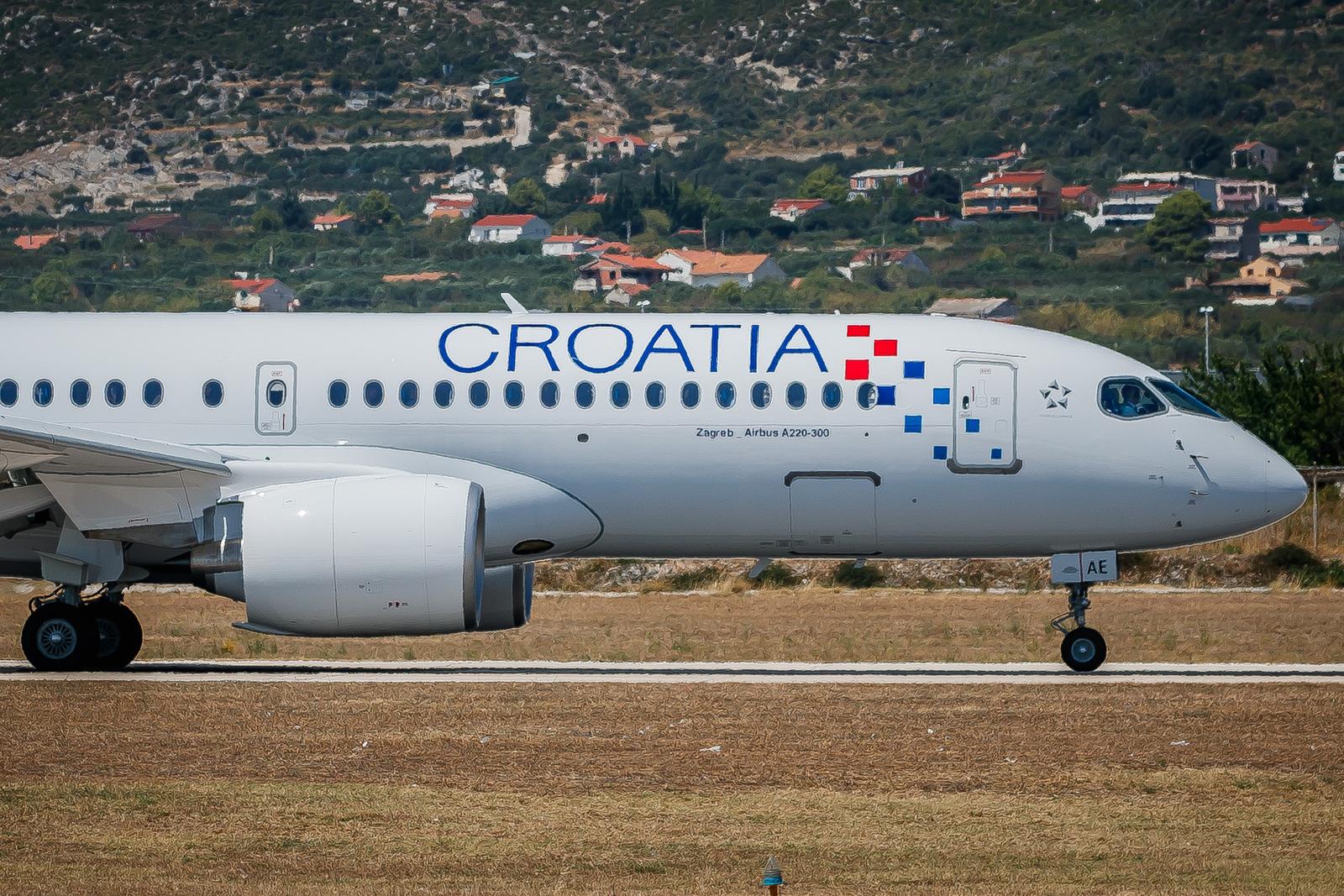
A recent incident at Split Airport involving a Croatia Airlines Airbus A220-300 has raised concerns about safety protocols during takeoff procedures.
On Saturday, May 16, 2026, flight OU412, which was scheduled to transport passengers from Split to Frankfurt, encountered a critical situation as it prepared for departure as per Inside the Conflict on X.
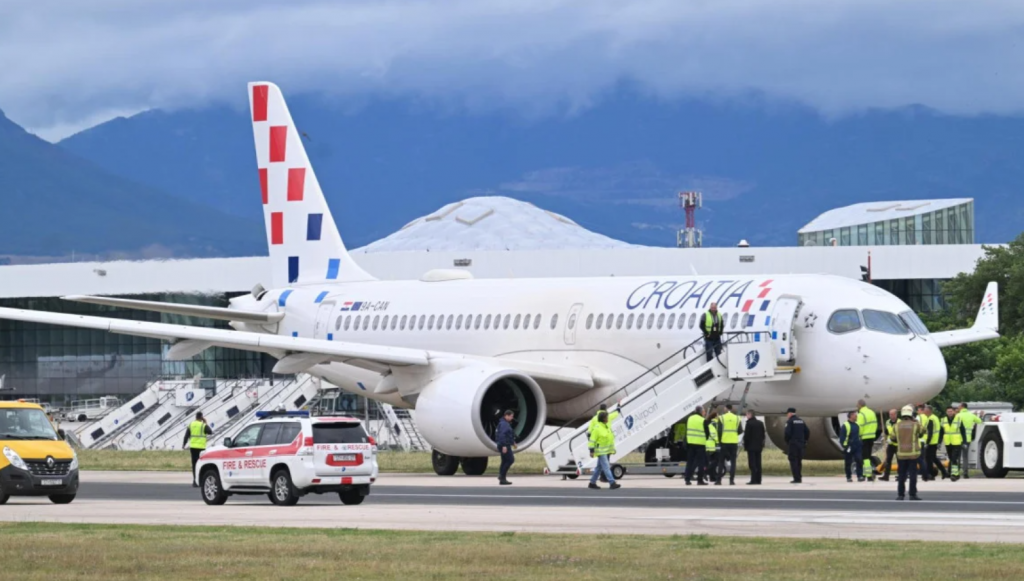
The aircraft, registered as 9A-CAN, was in the process of accelerating down runway 23 when the flight crew decided to abort the takeoff, resulting in a dramatic moment that could have escalated into a much more serious incident.
At approximately 1:30 PM local time, the aircraft accelerated to speeds nearing 131 knots before the crew initiated a rejected takeoff.
The reasons behind this decision are still under investigation, but during the deceleration, the A220-300 veered off the runway and ended up partially on the grass adjacent to the tarmac.
Fortunately, the situation was managed effectively, and the plane came to a halt without any serious injuries reported among the 132 passengers and five crew members onboard.
As the aircraft rolled to a stop, it sustained some damage, primarily from colliding with a vertical marker board and several runway edge lights.
This incident highlights the crucial importance of maintaining control during high-speed operations, especially at the critical moments of takeoff and landing.
The swift response from the flight crew ensured that emergency protocols were followed, leading to a safe evacuation of all individuals on board.
Following the incident, airport authorities activated standard emergency procedures.
Emergency personnel quickly arrived on the scene to assist in the evacuation process, ensuring that all passengers and crew members were safely escorted away from the aircraft.
The effectiveness of the emergency response has been widely acknowledged, as it undoubtedly prevented what could have escalated into a more severe situation.
Background to the Incident in Split…
The Airbus A220-300 involved in this incident was a relatively new addition to Croatia Airlines’ fleet, having been delivered in June 2025 as part of the airline’s modernization efforts.
This aircraft type represents a significant investment in efficiency and passenger comfort, making it a centerpiece of the national carrier’s operations.
However, the recent events at Split Airport have prompted questions about the aircraft’s performance and the circumstances leading to the aborted takeoff.
The Croatian Civil Aviation Agency, in conjunction with the Air, Maritime and Railway Accident Investigation Agency, has commenced a thorough investigation into the incident.
Their role will be to analyze the flight data and cockpit voice recordings to ascertain the factors that led to the rejected takeoff.
As this investigation unfolds, insights into the operational protocols of both the airline and the airport will be scrutinized.
Moreover, the incident has caused significant disruptions at Split Airport. Air traffic was temporarily halted, leading to a ripple effect of delays across multiple inbound and outbound flights.
This has raised concerns about the operational efficiency of the airport and the measures in place to handle such emergencies, especially during peak travel times.
In response to the incident, Croatia Airlines has expressed its commitment to cooperating fully with the investigating authorities.
The airline aims to ensure that all safety measures and protocols are adhered to and that any lessons learned from this incident will be implemented to prevent future occurrences.
This approach not only reinforces their dedication to passenger safety but also helps to maintain public confidence in air travel.
Significance of the Incident
The aborted takeoff of flight OU412 serves as a stark reminder of the inherent risks associated with aviation, particularly during critical phases of flight.
Although the incident resulted in no injuries, it underscores the importance of maintaining strict adherence to safety protocols and the need for ongoing training for flight crews.
Lessons from previous incidents have shown that even minor deviations from standard operating procedures can lead to serious consequences.
The quick thinking of the flight crew and the effective emergency response at Split Airport have been pivotal in ensuring the safety of all on board.
This incident reflects the collaborative efforts of aviation professionals who are continuously trained to handle emergencies.
It also highlights the importance of airport infrastructure and the need for effective emergency response plans, especially as air travel continues to grow.
As investigations continue, the aviation community will be watching closely for findings that may emerge.
They will be keen to understand how such incidents can be mitigated in the future.
The outcome of this investigation could lead to changes in operational protocols or even regulatory updates to enhance safety across the industry.
In conclusion, while the incident involving Croatia Airlines’ Airbus A220-300 ended without any physical harm, it has sparked vital discussions about aviation safety and operational integrity.
The lessons learned here will be crucial in shaping future practices, ensuring that air travel remains one of the safest modes of transportation available.
Continue to follow The Aviation Hub for more analysis and insight!