
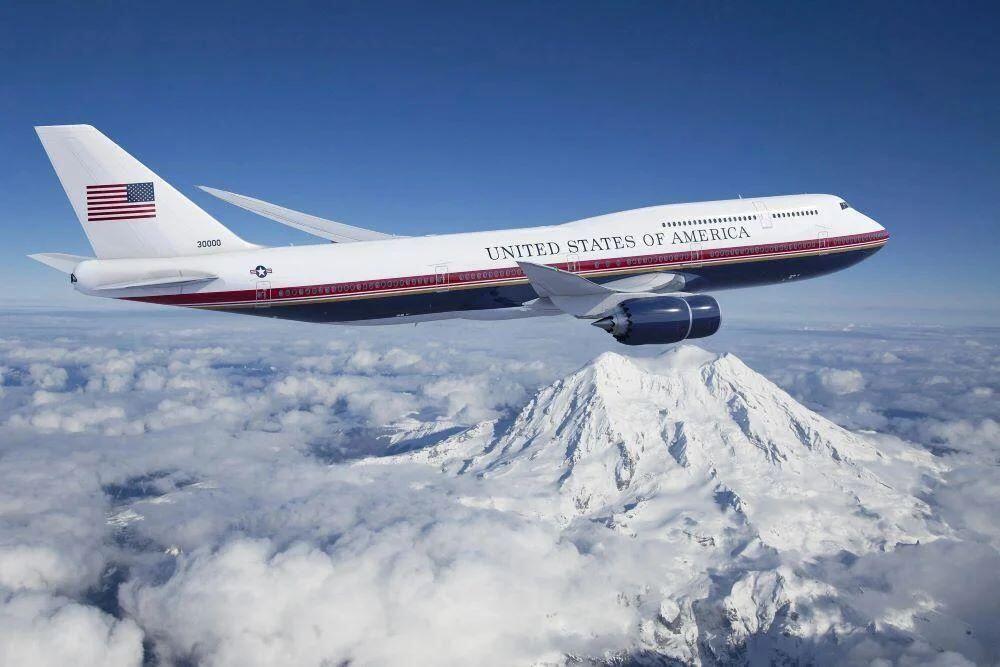
The brand new Air Force One program is not far away from entering operational service, so what do we need to know about it?
After 36 years of faithful service, the most famous aircraft in the world is finally being replaced.
On June 19, 2026, President Donald Trump stepped out of a freshly painted Boeing 747-8 at Joint Base Andrews, and with that, a brand new Air Force One entered the spotlight.
For aviation fans who have watched the same pair of jets carry presidents since 1990, this is a genuinely big moment.
However, the story is more layered than a single shiny new jumbo jet.
There are actually two separate aircraft programs at play here.
One is an interim jet, ready now, that bridges the gap until the permanent replacements arrive.
The other is a pair of purpose-built jets that have been stuck in development for years. Together, they represent the future of presidential travel.
So what exactly is changing, and why now?
In this guide, we will walk through why the current Air Force One is being retired, take a close look at the brand new aircraft, and explore what all of this means for how the President flies in the years ahead.
Let’s dig in.
Why Is The Current Air Force One Being Replaced?
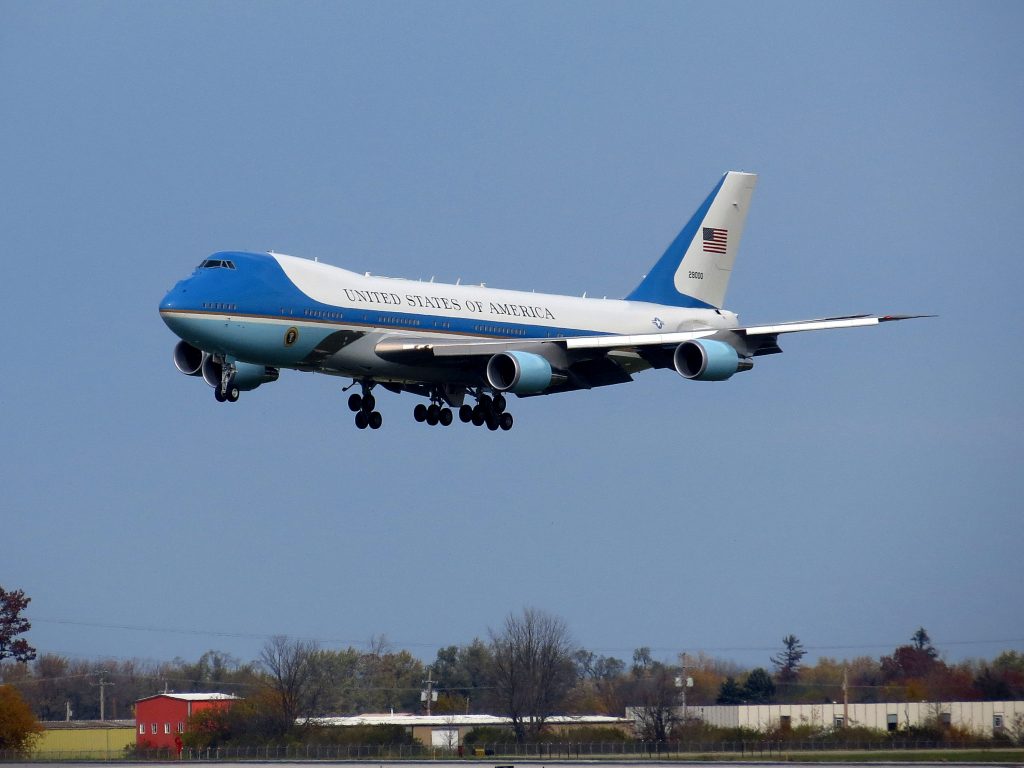
The current Air Force One is not one plane but two.
Both are heavily modified Boeing 747-200Bs, designated VC-25A, and they carry the tail numbers 28000 and 29000.
They first entered service back in 1990, which means they have now been flying presidents for around 36 years.
That longevity is impressive, but it comes at a cost.
The 747-200 is an old design, and Boeing stopped building it long ago.
As a result, sourcing spare parts has become harder and more expensive with each passing year.
Maintenance crews increasingly have to improvise to keep these jets mission-ready.
Reliability has also started to slip.
In January 2026, for example, a VC-25A carrying the President toward the Davos conference had to turn back to Joint Base Andrews after an electrical problem.
Incidents like that are exactly what planners want to avoid on an aircraft that doubles as a flying command post.
There is a strategic angle, too.
Air Force One is designed to keep the President safe and connected during a national crisis, including a nuclear attack.
To do that job, the jet needs modern, secure communications and up-to-date defensive systems.
Technology from the late 1980s simply cannot keep pace with today’s threats.
Finally, there is the matter of timing.
Congress had effectively expected the VC-25A fleet to retire around the middle of this decade.
With the jets aging fast and their replacements running late, the pressure to field something new became impossible to ignore.
A Look at the New Air Force One
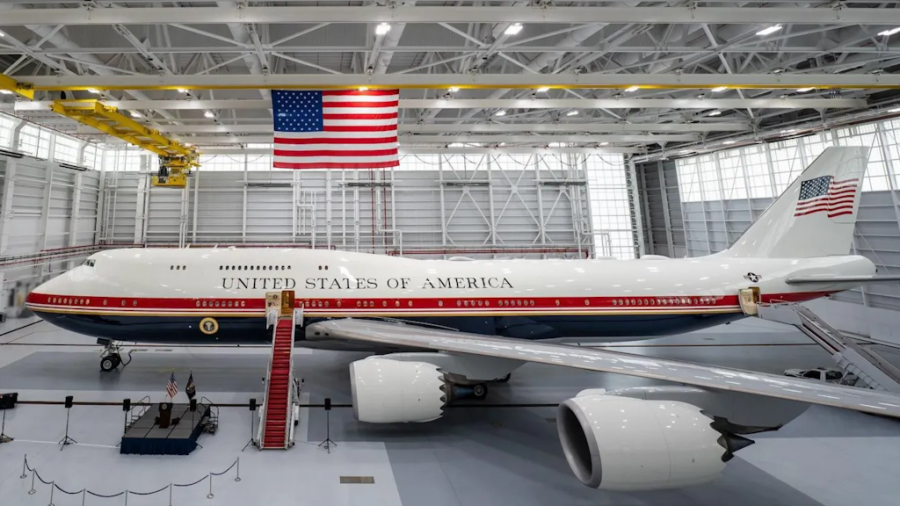
Here is where the story splits in two.
The brand new Air Force One that just made headlines is actually an interim aircraft, often called the “VC-25B Bridge.”
Meanwhile, two permanent replacements are still being built. Let’s take each in turn.
The interim jet: a converted Qatari 747-8
The aircraft unveiled in June is a Boeing 747-8i that began life as a luxury VIP jet for Qatar’s royal family.
Built around 2012, it was donated to the United States, and the gift was formally accepted in 2025.
Estimates put its value at roughly $400 million.
Because the jet already had a lavish head-of-state interior, the Air Force focused on the systems that matter most for presidential service.
Defense contractor L3Harris handled the conversion work in Waco, Texas, with engineering support from Boeing.
The team finished modifications and flight testing by May 2026.
So what changed under the skin?
The exact details are classified, but presidential aircraft typically receive hardened, encrypted communications, electronic countermeasures against missiles, and shielding to protect against an electromagnetic pulse.
The Air Force has said it prioritized operational readiness over cosmetic changes, so much of the existing luxury cabin stayed in place.
The most visible change is on the outside.
The new jet drops the famous robin’s-egg blue scheme, first designed for the Kennedy administration in 1962, in favor of a bolder red, white, and blue look.
It features a deep navy underbelly, a red accent stripe, the presidential seal near the boarding door, and a large American flag on the tail.
There is also a notable wrinkle.
This interim Air Force One is expected to serve for only a few years and then move to President Trump’s future presidential library.
The Qatari gift drew criticism from some lawmakers and ethics watchdogs, who raised questions about cost and the propriety of accepting such a valuable item from a foreign government.
Supporters counter that it offered a fast, practical fix for an urgent gap.
The permanent jets: two purpose-built VC-25Bs
The long-term future of Air Force One rests on two brand new VC-25B aircraft.
These are also based on the 747-8, the largest and final passenger version of the iconic jumbo.
Interestingly, they started out as jets ordered by the now-defunct Russian airline Transaero, then sat in the Mojave Desert before Boeing repurposed them.
Boeing signed a $3.9 billion fixed-price contract in 2018 to transform the pair into presidential aircraft.
On paper, they will be true flying White Houses.
Planned features include secure mission communications, a self-defense suite, EMP protection, a medical facility, an executive interior, and autonomous ground equipment such as built-in airstairs and a self-contained baggage loader.
These upgrades let the jet operate from airfields with little ground support, which matters during a crisis.
The new Air Force One is also bigger and more capable than the jet it replaces.
It stretches about 250 feet long, spans roughly 224 feet, and rides on four fuel-efficient General Electric GEnx-2B engines. Reported range sits near 8,900 miles.
One detail has sparked debate among aviation watchers.
Some reports indicate the permanent VC-25B may skip in-flight refueling capability as a cost-saving measure, unlike today’s jets.
That would be a meaningful change for an aircraft built to stay airborne during emergencies, so it is worth watching as more details emerge.
The catch, once again, is timing.
The program has run years behind schedule and well over budget, hampered by supply chain snags, wiring design errors, and a shortage of security-cleared workers.
Originally due in 2024, the first jet is now expected around mid-2028. That delay is the very reason the interim aircraft exists.
What This Will Mean For Presidential Travel Moving Forward
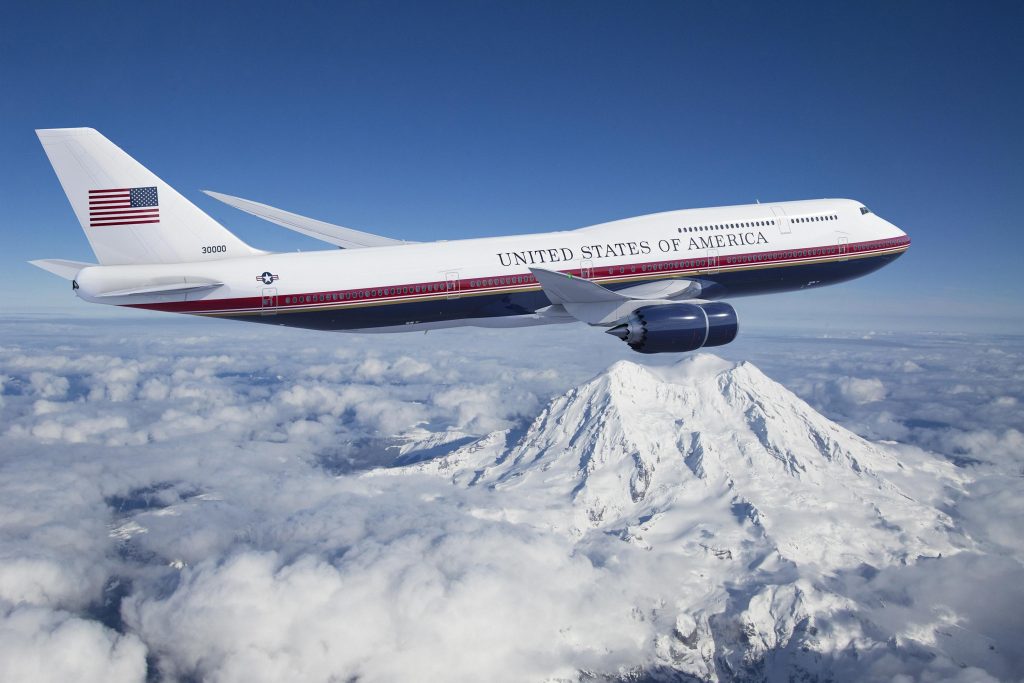
For the immediate future, the President now has a far more modern jet to fly aboard.
The 747-8 is younger, more fuel-efficient, and more comfortable than the 36-year-old VC-25A.
In day-to-day terms, that should mean fewer maintenance headaches and more reliable trips.
The interim Air Force One also buys breathing room.
With a capable bridge jet in service, the Air Force can ease the strain on the two aging VC-25As.
One of them has frequently been tied up in heavy maintenance, so having a fresh option in the rotation is a real relief.
Over the longer term, the arrival of the two purpose-built VC-25Bs around 2028 will mark the true generational leap.
Those jets are designed from the ground up for the presidential mission, with the full suite of survivability and command features baked in.
Once they enter service, the interim jet’s job will be largely done.
There is a symbolic dimension here as well.
Air Force One is one of the most recognizable images of American power anywhere on the planet.
A new livery and a new airframe signal a fresh chapter, and they will reshape the picture people around the world associate with a U.S. presidential visit.
Of course, plenty of questions remain.
The permanent jets could still slip further, costs continue to draw scrutiny, and the unusual path of the interim aircraft guarantees ongoing debate.
For now, though, the headline is simple: after decades of waiting, the hardware is finally changing.
Overall…
The brand new Air Force One marks the start of a long-overdue transition.
After 36 years, the trusty VC-25A is stepping aside, first for a converted Qatari 747-8 that is ready today, and eventually for two purpose-built VC-25B jets arriving toward the end of the decade.
For aviation enthusiasts, it is a fascinating moment with plenty of moving parts.
There is cutting-edge technology, a striking new paint scheme, a tangle of program delays, and even a dash of political controversy. Few aircraft stories pack in this much intrigue.
Ultimately, the goal stays the same as it always has.
Air Force One exists to carry the President safely, securely, and anywhere in the world at a moment’s notice.
The jets may be changing, but that mission endures, and the next chapter of presidential flight is now well and truly underway.
Continue to follow The Aviation Hub for more analysis and insight!
Advertise with us Your brand, in front of an aviation audience Home page and in-article placements, sold directly, one advertiser per slot. From £250 a year. See the rates