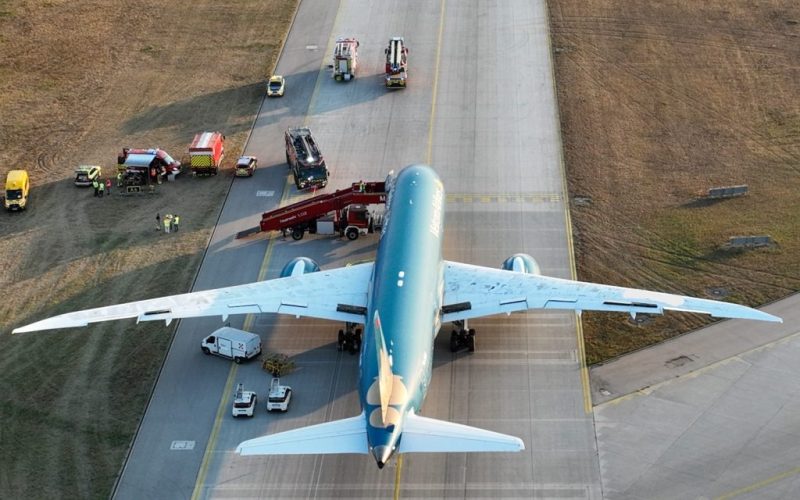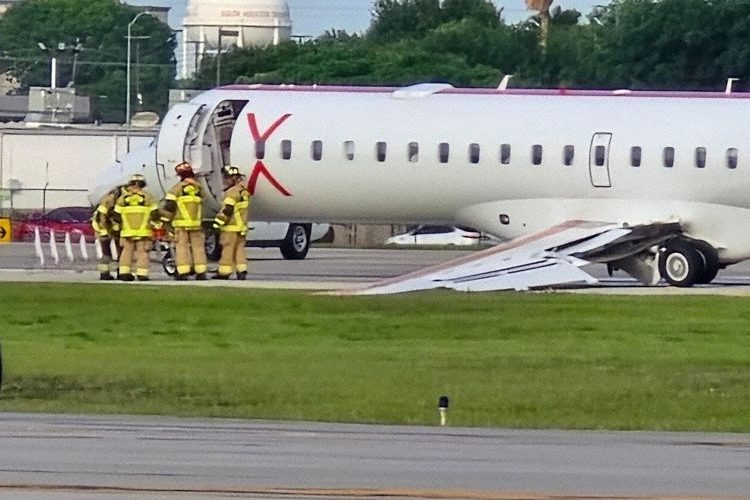

Air India has dropped its original explanation for the violent upset that injured 17 people aboard flight AI2379, replacing a report of inflight turbulence with an admission that the aircraft suffered a sudden loss of altitude during cruise.
The airline changed its position on 10 August 2026, six days after the event, and on the same day the DGCA attributed the upset to a transient technical fault, as per The Aviation Herald.
The revision matters. Turbulence is weather. A technical fault belongs to the aircraft.
Those two accounts send investigators in opposite directions, and the space between them now sits at the centre of an inquiry that has pulled in Airbus, the French investigation agency BEA and India’s Aircraft Accident Investigation Bureau.
What Happened On Board AI2379
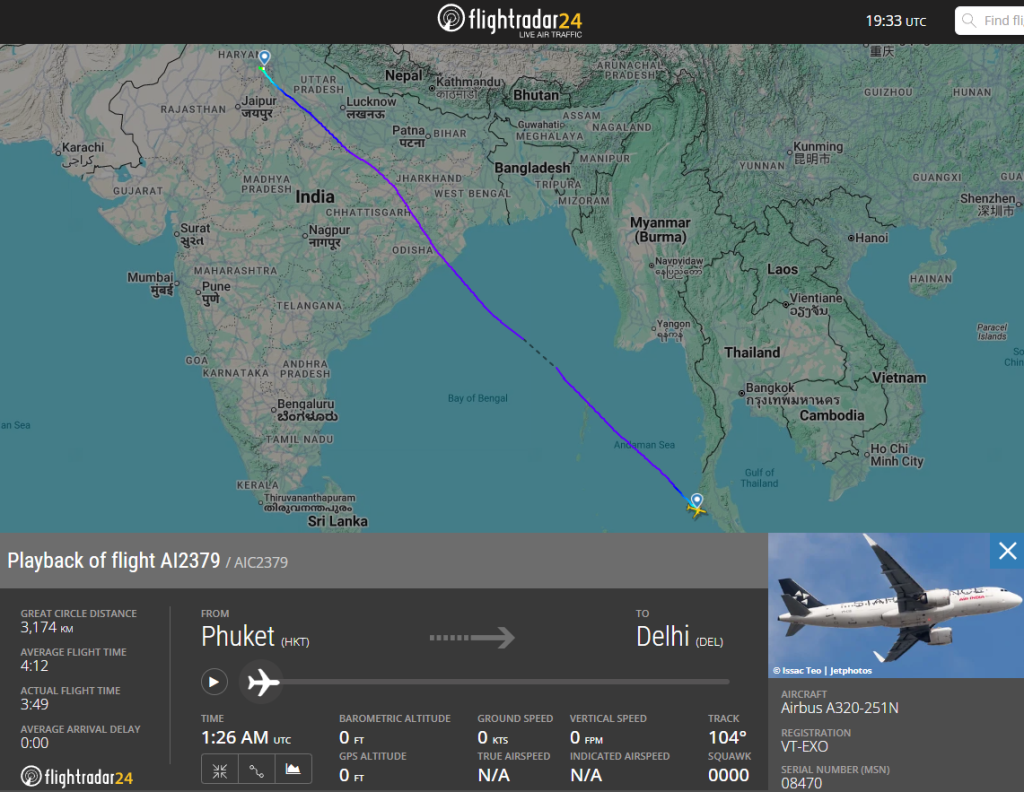
Flight AI2379 departed Phuket for Delhi on 4 August 2026 carrying 137 passengers, three of them infants, and eight crew.
The Airbus A320neo cruised at FL360 across eastern India and had reached a position near N21.33 E84.90, broadly over Odisha, when the flight profile came apart.
The aircraft first gained 175 feet, then lost 250 feet, before recovering to FL360 at approximately 09:33 local time. The sequence lasted seconds.
The crew stabilised the aircraft, assessed the cabin and continued to Delhi, landing roughly 90 minutes later without further incident.
Inside the cabin the effect was severe.
Occupants who were not strapped in left their seats. Cabin crew working the aisles had no warning and no time to secure themselves.
The Aircraft Involved
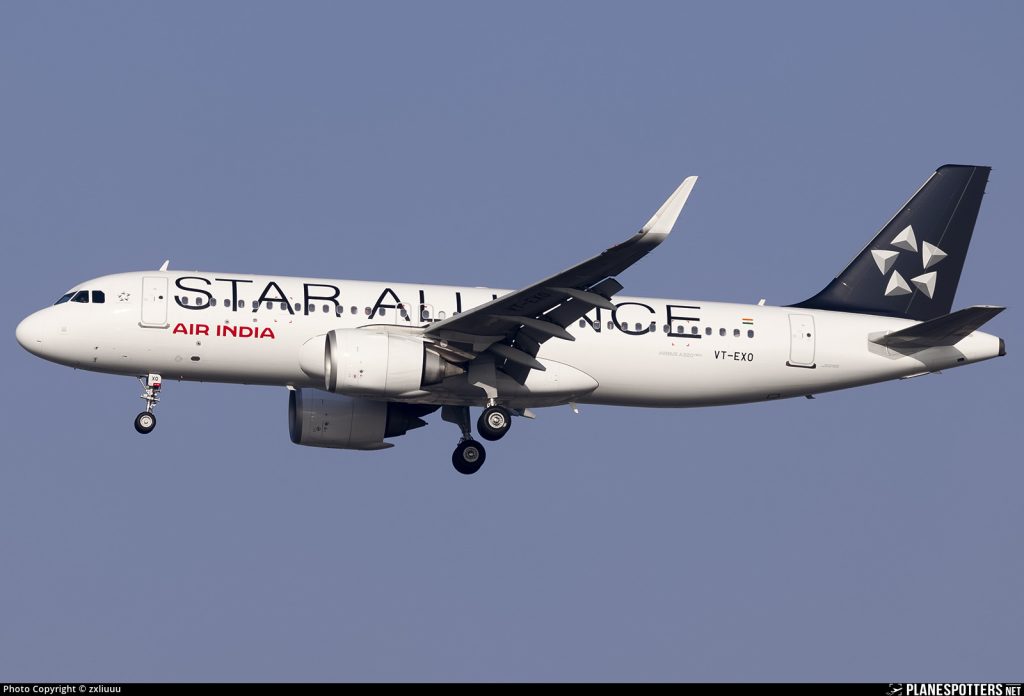
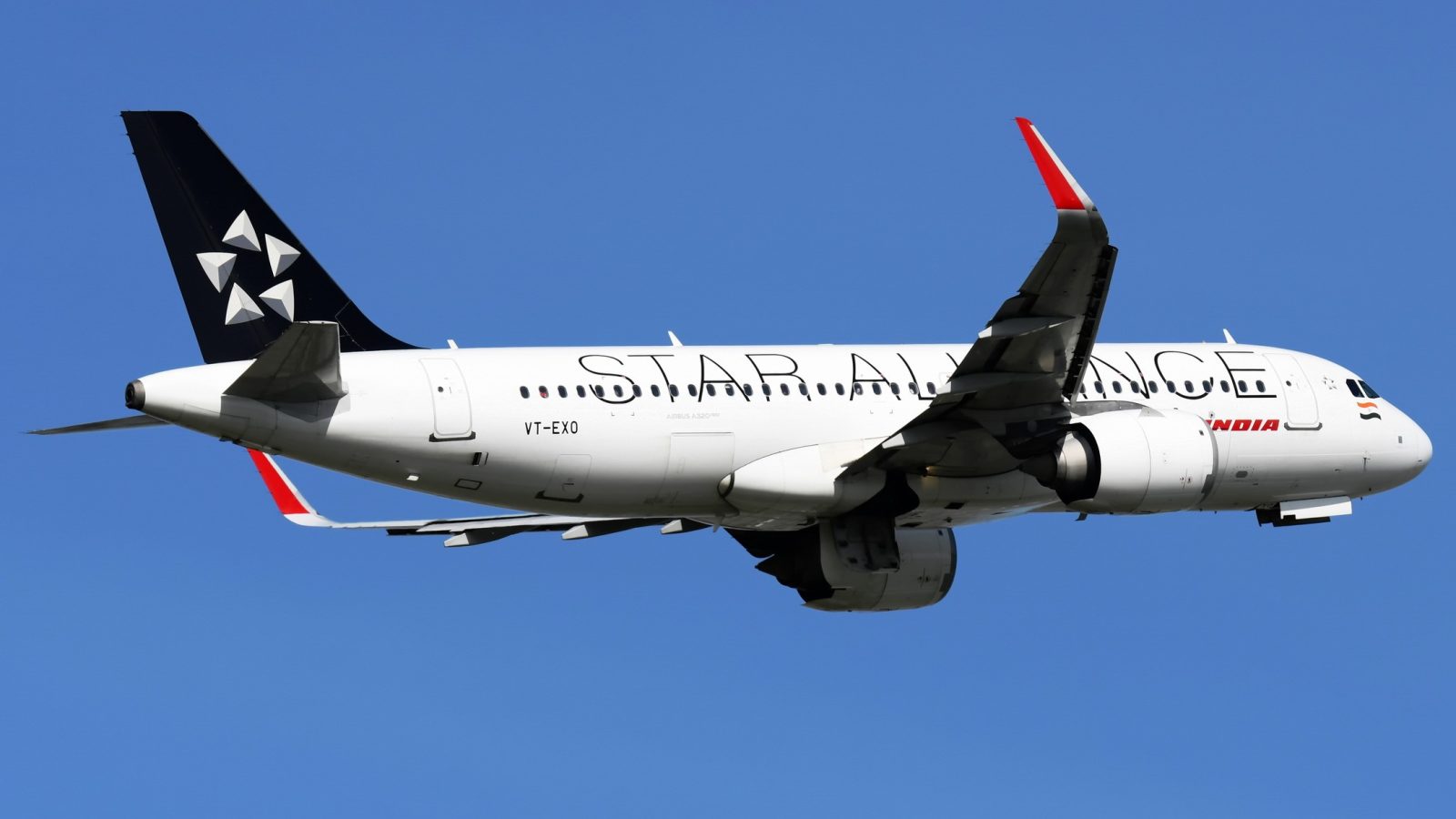
VT-EXO is an Airbus A320-251N carrying manufacturer serial number 8470.
It first flew on 31 October 2018 as F-WWIR and left the Toulouse production line for Air India on 20 November 2018, entering service a week later.
The airframe has spent its entire career with Air India, initially on lease from ALAFCO and then from Macquarie AirFinance from 2024.
It wears Star Alliance special colours and flies behind two CFM International LEAP-1A26 engines.
Air India reconfigured the cabin in October 2025, moving from an all economy layout to a three class arrangement seating eight in business, 24 in premium economy and 132 in economy.
The aircraft has sat parked at Delhi since the flight arrived on 4 August and remains out of service.
The Injuries And The Official Response
Air India reported that 13 passengers and four cabin crew received injuries.
India’s Civil Aviation Ministry subsequently confirmed that eight passengers and four cabin crew went to hospital, all of them in stable condition.
That distribution tells its own story.
Half the operating cabin crew were hurt, a proportion far above anything seen in the passenger cabin, which reflects the reality that crew perform service duties on their feet.
The ministry classified the occurrence as serious.
Investigators secured the flight data recorder and the cockpit voice recorder, and the AAIB opened an investigation under Annexure 13 of the ICAO framework.
Air India Changes Its Account
The initial reporting described severe turbulence, and that framing held for the best part of a week.
It fitted a familiar pattern, because clear air turbulence over the Bay of Bengal and the Indian subcontinent injures passengers on a regular basis.
On 10 August the airline replaced that language, describing a sudden loss of altitude during cruise rather than an encounter with rough air.
The DGCA moved in the same direction on the same day, reporting that a transient technical fault caused the upset.
Neither statement explained the delay, and neither addressed why the original account survived as long as it did.
The Triple Hydraulic Failure Claim
India’s Pilots’ Association went considerably further on 10 August, presenting an account that transforms the event from a systems fault into a survival scenario.
According to the association, all three hydraulic systems on the A320neo failed.
The captain recognised the triple failure and instructed the first officer to take the nose of the aircraft down, deliberately sacrificing around 300 feet of altitude.
That input generated the negative G load that threw occupants around the cabin.
The association argues the crew had a split second in which to act and no opportunity to illuminate the fasten seat belt signs first, and it credits the response with saving lives on board.
A total hydraulic failure on an A320 would be extraordinary.
The type carries three independent systems, green, blue and yellow, arranged specifically so that losing one or even two still leaves the crew with usable flight control authority.
Losing all three would rank among the most serious technical failures the family has recorded.
Investigators have confirmed none of this.
Until the AAIB publishes findings drawn from the recorders, the account remains the stated position of a pilot representative body rather than an established fact, and it sits alongside the DGCA reference to a transient fault rather than being reconciled with it.
Questions Over The Flight Crew
The ministry disclosed a separate strand that has drawn considerable attention in India.
The pilot in command underwent confirmatory testing after an initial psychoactive substance screening returned a result requiring further analysis.
The DGCA described the screening as having “not been negative” and stated that it needs confirmation. The result of that confirmatory test remains outstanding.
Readers should treat this carefully.
Initial screening tests produce false positives, which is precisely why confirmatory testing exists, and no finding has been made against the commander.
The ministry has said further action will follow the outcome of both the AAIB investigation and the test.
Airbus And The BEA Join The Investigation
Airbus confirmed on Monday that it is providing technical assistance to the investigating authorities and supporting the airline.
The manufacturer stated that “a team of specialists is being dispatched to assist with the investigation”, as per The Telegraph India.
Sources indicate that both the Airbus team and investigators from the BEA, the French accident investigation agency, arrive in Delhi on Tuesday.
The BEA participates as the accredited representative of the state of manufacture, a standard arrangement under ICAO Annex 13.
Their presence signals the seriousness with which the occurrence is being treated.
Manufacturers and state agencies do not deploy specialists for turbulence encounters.
What Happens Next
The recorders will settle most of this.
Flight data will show precisely what the hydraulic systems were doing, what the crew commanded and whether the altitude excursion resulted from a control input or from an aerodynamic event.
The DGCA faces its own questions about fleet wide implications.
If a transient fault affected VT-EXO, operators and regulators will want to know whether the same fault could affect other A320neo airframes.
Air India, meanwhile, faces the harder problem.
The airline is operating under sustained public scrutiny following the events of 2025, and an account that changed six days after the fact will invite exactly the kind of examination it can least afford.
Continue to follow The Aviation Hub for more analysis and insight!
Advertise with us Your brand, in front of an aviation audience Home page and in-article placements, sold directly, one advertiser per slot. From £250 a year. See the rates