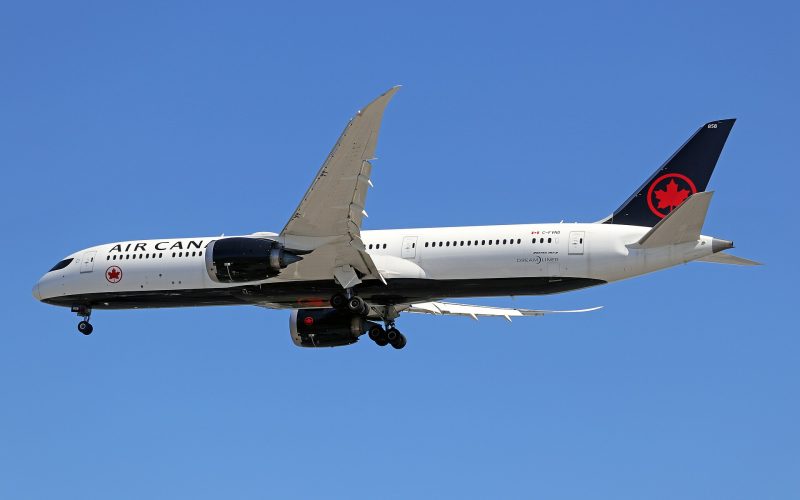

President Trump has issued a blunt ultimatum to Bombardier, the Canadian aerospace manufacturer behind the Global and Challenger business jet families.
Build aircraft on American soil, he says, or lose access to American customers altogether.
The demand landed on September 7, 2026 and immediately raised questions about the future of one of the world’s most important business aviation manufacturers in its largest market.
What Trump Actually Said
Trump framed the issue in blunt terms.
“If Bombardier wants to sell its planes to U.S. airlines and American customers, they need to build them right here in the United States,” he said.
Trump went further, accusing Bombardier of treating the American market as a “piggybank,” extracting revenue from U.S. buyers while keeping its high value manufacturing jobs at home in Quebec and elsewhere in Canada.
According to Trump, the era in which foreign manufacturers could sell freely into the American aviation sector without building anything domestically is coming to an end.
That is a significant claim for an industry built on decades of cross border supply chains, joint ventures, and specialized manufacturing hubs that rarely map neatly onto national borders.
Bombardier, like most major aerospace manufacturers, sources components globally and assembles finished aircraft in a small number of locations chosen for cost, expertise, and existing infrastructure rather than for political convenience.
Echoes of the CSeries Dispute
Readers with a long memory for aviation trade disputes will recognize the shape of this confrontation immediately that Trump has started.
It closely mirrors the 2017 fight over Bombardier’s CSeries airliner, when Boeing accused Bombardier of dumping the aircraft into the American market at unfairly low prices.
That dispute triggered steep proposed tariffs from Washington before it was resolved in an unexpected way. Could it happen again under Trump?
Airbus took a controlling stake in the CSeries program, rebranded it as the A220, and began assembling aircraft at a facility in Mobile, Alabama specifically to satisfy American buyers and sidestep the tariff threat entirely.
That episode remains one of the clearest examples in modern aviation history of a trade dispute reshaping where an aircraft gets built rather than simply raising its price.
It also demonstrates that Bombardier, or whoever eventually controls the affected program, has a precedent to follow if political pressure becomes commercially unbearable.
What Is Actually at Stake If Trump Bans Bombardier…
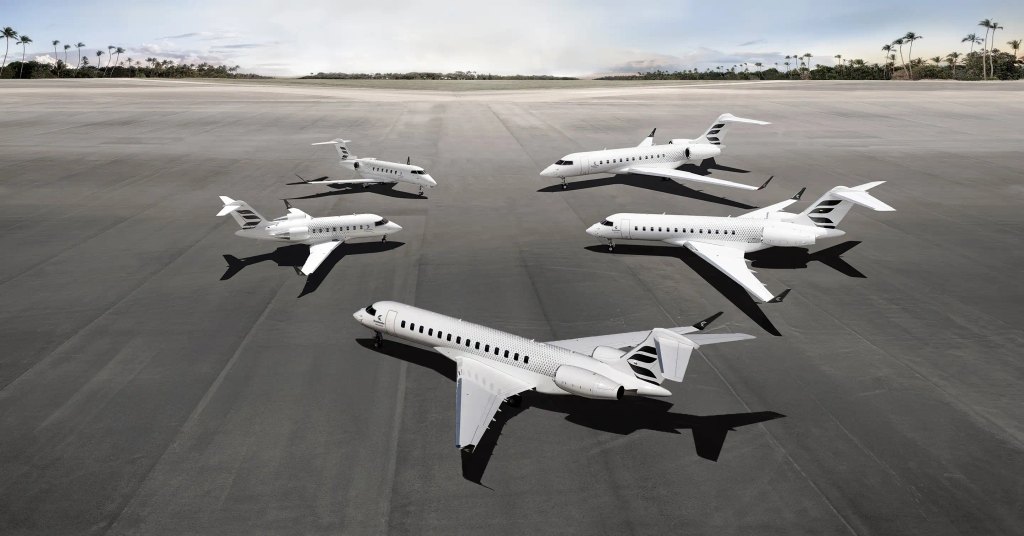
Unlike the CSeries, which Bombardier no longer owns, the aircraft caught in this latest dispute are the Global and Challenger business jets, along with regional jets that a number of American carriers continue to operate.
These are core Bombardier products, built in Canada, and central to the company’s identity as a manufacturer rather than merely a supplier.
American demand matters enormously here.
The United States remains the largest single market for business aviation anywhere in the world, and regional carriers rely on a steady pipeline of aircraft to manage fleet renewal and route expansion.
A ban, or even punitive tariffs that make Bombardier aircraft meaningfully more expensive than competing options, could disrupt planning for operators who have already built purchase agreements and delivery schedules around Bombardier’s product line.
Bombardier has not issued an official response addressing whether it would consider American assembly, and its shares moved only modestly in the hours after the announcement, suggesting markets are treating this as an opening position rather than a settled policy.
Reading the Wider Trade Picture
This ultimatum does not exist in isolation.
It arrives amid a broader and increasingly tense trade relationship between Washington and Ottawa, one already strained by disputes over tariffs, industrial subsidies, and market access across multiple sectors.
Aerospace has repeatedly become a flashpoint in that relationship precisely because it involves high value manufacturing jobs, national prestige, and genuinely global supply chains that resist simple territorial solutions.
What Comes Next Following The Words of Trump…
History suggests two realistic paths forward.
Bombardier could pursue negotiation, much as the CSeries dispute eventually produced a deal rather than an outright ban.
Alternatively, it could face a prolonged standoff that pushes American buyers toward alternative manufacturers while Bombardier absorbs the cost of reduced access to its most lucrative market.
For now, the situation remains fluid.
The Aviation Hub will continue monitoring the dispute closely, particularly for any sign that Bombardier is exploring an American assembly footprint of its own, or that Ottawa intends to respond with countermeasures of its own.
Continue to follow The Aviation Hub for more analysis and insight!
Advertise with us Your brand, in front of an aviation audience Home page and in-article placements, sold directly, one advertiser per slot. From £250 a year. See the rates