
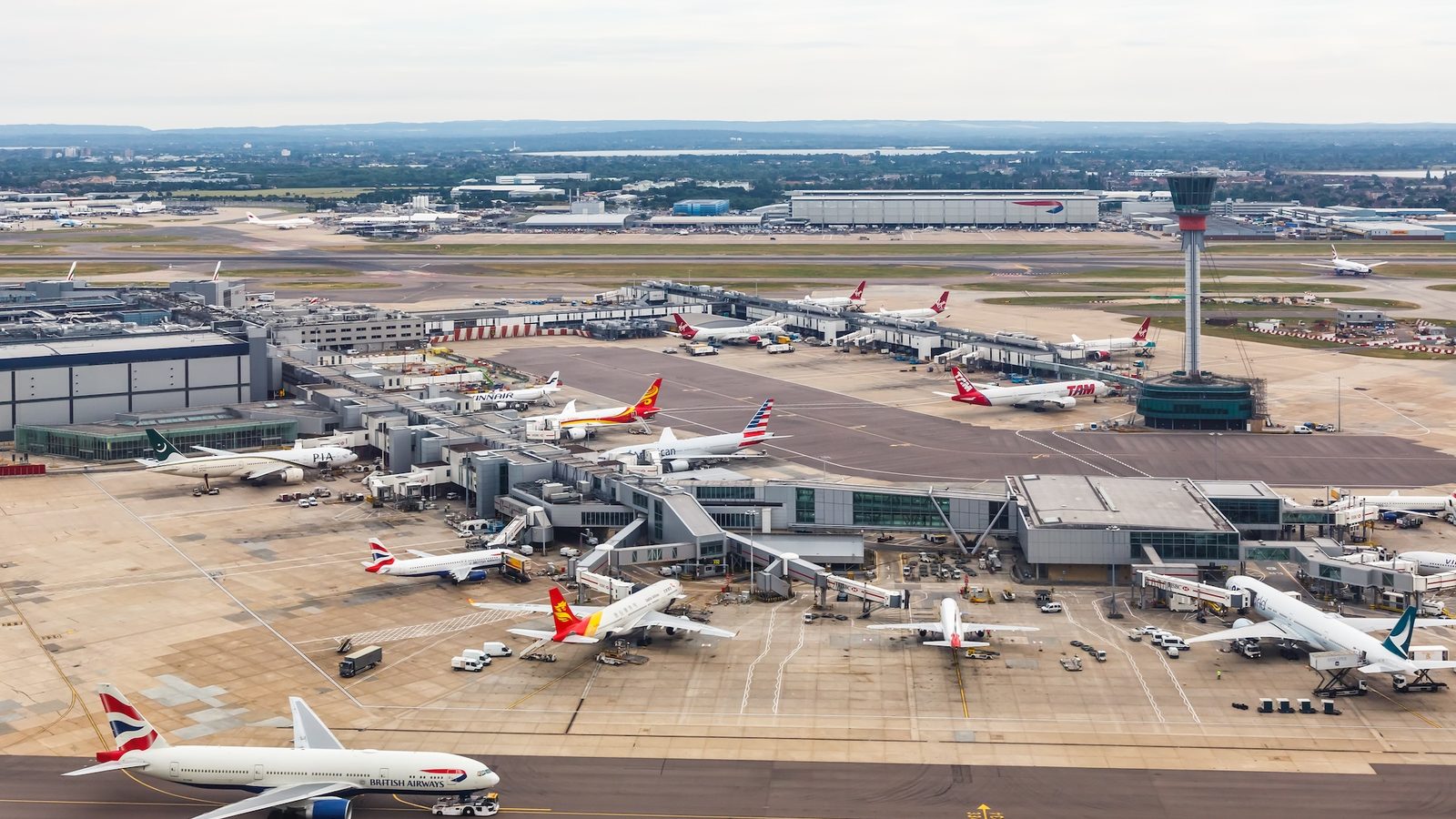
Departures at London Heathrow Airport were temporarily suspended on Tuesday after an unexpected technical failure affected air traffic control systems at the UK’s busiest airport.
The disruption began at approximately 12:48 BST, when a technical issue affected air traffic control communications and equipment used to manage departing aircraft.
Aircraft were temporarily prevented from taking off while technical teams worked to identify and resolve the problem.
A number of departing aircraft were held on taxiways, while passengers inside the terminals faced delays as airlines adjusted their schedules.
The incident followed a separate disruption involving a bird strike earlier in the day, creating two operational issues at Heathrow within less than two hours.
Departures Resume At London Heathrow
London Heathrow subsequently authorised the resumption of departures from its CPT and DET departure routes, allowing aircraft to begin leaving the airport once again.
American Airlines flight AA55, operating from London Heathrow to Chicago, was among the first departures to resume.
The Boeing aircraft took off at approximately 13:35 BST as air traffic control gradually restored normal departure operations.
Other aircraft were also affected by the ground stop.
An Aegean Airlines flight bound for Athens had been waiting on runway 27L before eventually crossing the runway and continuing towards Terminal 4.
Despite departures restarting, London Heathrow warned that significant disruption would continue throughout the afternoon as aircraft and crews worked through the backlog created by the suspension.
The airport indicated that high calculated take off times were expected to remain in place until approximately 17:00 UTC, or 18:00 BST.
Passengers travelling through London Heathrow have been advised to check directly with their airline for the latest information before travelling to the airport.
Bird Strike Causes Earlier Disruption
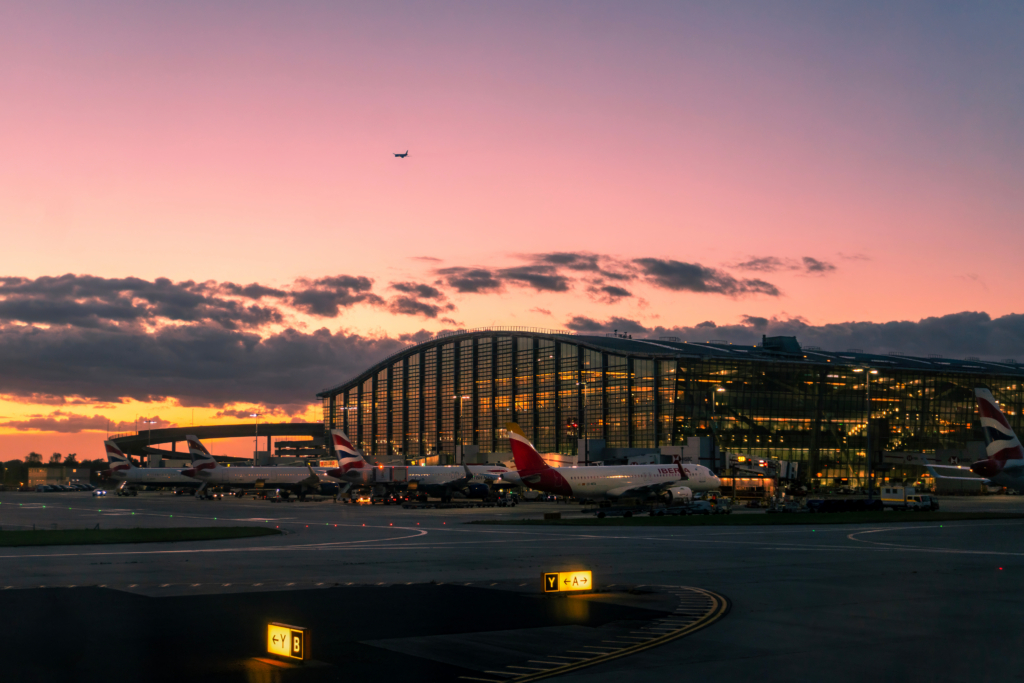
The air traffic control technical failure came shortly after a separate incident temporarily disrupted arrival operations at London Heathrow.
At approximately 11:07 BST, arriving aircraft using runway 27R were temporarily suspended following a bird strike.
Air traffic controllers responded by diverting active arrivals towards runway 27L while ground teams attended the affected runway. The runway was inspected and cleared before being reopened just six minutes later at approximately 11:13 BST.
Normal arrival operations were subsequently able to resume.
The incident was therefore separate from the later technical failure, with the two disruptions occurring within a relatively short period.
The combination of both events added further pressure to Heathrow’s already complex operation, particularly as aircraft movements were temporarily restricted during the busiest part of the day.
Knock On Delays Expected Around London…
Although departures have resumed, passengers should expect delays to continue into the afternoon and potentially the evening.
Heathrow and its airline partners will need time to clear aircraft waiting to depart, reposition crews and aircraft, and restore schedules that have been affected by the temporary suspension.
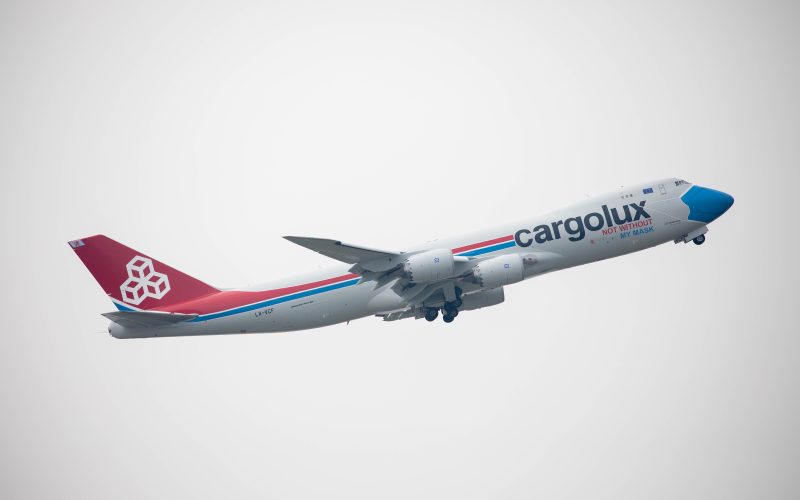
The disruption could also have implications for air cargo operations.
Heathrow is one of Europe’s major cargo hubs, with significant volumes of freight transported on dedicated freighter aircraft as well as within the belly holds of passenger aircraft.
Restrictions on aircraft movements can therefore affect cargo shipments as well as passengers. Delays to departures may result in longer handling times, missed connections and changes to onward trucking schedules for freight moving through the airport.
Elsewhere in the London airport network, flight operations at London Gatwick Airport were also reported to be resuming. However, passengers travelling through any London airport are advised to check their individual flight status directly with their airline.
The situation at Heathrow remains developing, with further changes to departure times expected as air traffic control capacity returns to normal and airlines work to clear the backlog created by the disruption.
Continue to follow The Aviation Hub for more analysis and insight!
Advertise with us Your brand, in front of an aviation audience Home page and in-article placements, sold directly, one advertiser per slot. From £250 a year. See the rates
This ATC failure seems to have caused quite the disruption at London airports! I can only imagine how frustrating it must have been for travelers caught in this chaos. Excited to see how the authorities will handle the aftermath and what measures they will implement to prevent this in the future. Thanks for covering this important issue!