flydubai FZ1073: Can Airlines Stop a Threat Inside the Cockpit?
 By The Aviation Hub
6 min read
Updated October 1, 2026
By The Aviation Hub
6 min read
Updated October 1, 2026 
The flydubai FZ1073 incident has exposed one of the hardest problems in aviation security. Since 2001, cockpit doors have been designed to keep attackers out.
On 30 September, the danger was already inside.
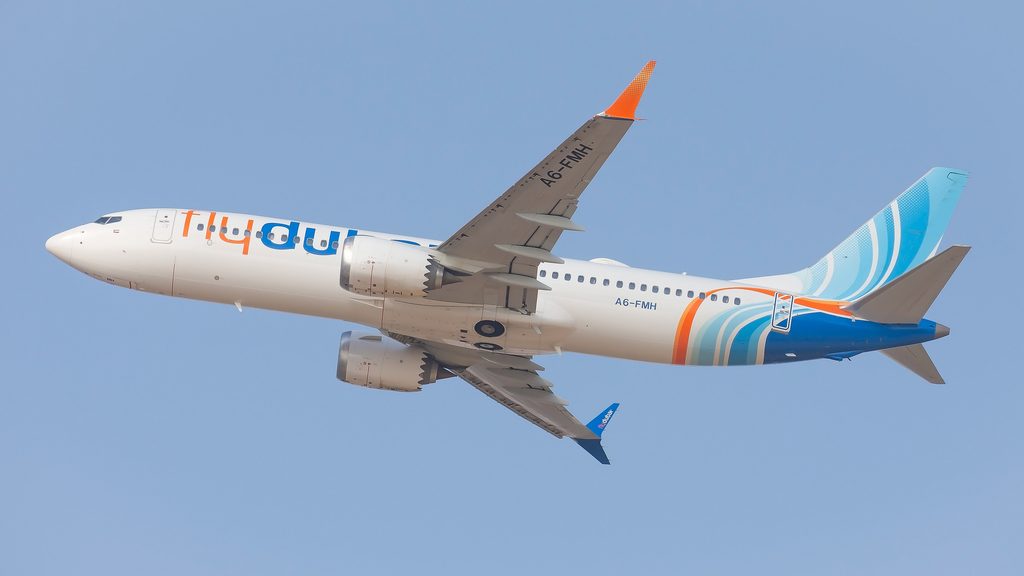
Israeli officials say a first officer attacked the captain over Jordan on the Dubai to Tel Aviv service, before passengers and other flydubai crew on board helped bring the aircraft safely into Tabuk in Saudi Arabia.
All 174 people on board survived.
The Aviation Hub has already covered what happened on the flight and what Benjamin Netanyahu has said.
This analysis looks at the bigger question: what does FZ1073 mean for cockpit security worldwide, and can airlines realistically prevent it happening again?
What We Know About flydubai FZ1073
The basic sequence is now well documented.
Al Jazeera’s timeline shows the flight departing Dubai at 03:05 UTC, with altitude fluctuations beginning at 05:21 and the aircraft dropping more than 14,000 feet in under 30 seconds a minute later.
The transponder then changed to 7700, the general emergency code, before switching to 7500, which signals unlawful interference.
Israel scrambled fighter aircraft in response.
The airline has been careful with its words.
In an official statement, flydubai said the aircraft was secured by on duty crew travelling on the flight, who diverted and landed safely at Tabuk, and that all passengers and crew were safe and accounted for.
The first officer was arrested in Saudi Arabia.
Aviation A2Z reports that Saudi authorities began questioning him after the landing, while the UAE has opened its own investigation.
Official findings have not yet been published.
Much of the detail so far has come from Israeli officials and passengers, so some elements of the story may still change.
The Door Built for the Wrong Threat
The reinforced cockpit door is one of the great security successes of the past two decades.
After the 9/11 attacks, regulators required flight deck doors that could not be opened from the cabin when locked.
That design works against intruders.
It does nothing against someone who is already seated at the controls.
Tech Times puts it bluntly, noting that post 9/11 cockpit security was designed to stop an attack from the cabin or the ground, not from inside the flight deck.
This vulnerability is not new.
The Germanwings disaster in March 2015 showed that a single pilot alone behind a locked door could bring down an aircraft.
FZ1073 shows that even with two pilots present, an insider can create a life threatening emergency.
The Two Person Rule: A Patchy Safeguard
After Germanwings, airlines rushed to change their procedures.
Fortune reported at the time that carriers including Norwegian, easyJet and Air Canada introduced a rule requiring two crew members in the cockpit at all times.
Fox News noted that Emirates implemented the policy immediately, while the Lufthansa Group moved to the same approach across its airlines.
Some regulators made it mandatory.
Deccan Herald reported that India’s DGCA already required two crew in the cockpit, following the long standing US approach.
Yet the rule never became universal.
Tech Times notes that there is no binding ICAO standard requiring two people in the cockpit on all commercial flights, and that several carriers later reversed the policies they adopted in 2015.
Crucially, the two person rule would not have prevented FZ1073.
Both pilots were already in the cockpit.
The safeguard is designed for a pilot locked out, not a pilot attacked.
The Real Gap: Screening and Vetting
That shifts attention to who is allowed into the flight deck in the first place.
IBTimes reports that investigators are now confronting how the first officer came to be operating an Israel bound flight.
Organiser reports that the investigation could examine crew screening, airport access controls, personal searches and cockpit procedures for flights to Israel. Investigators must also establish how any weapon came to be in the cockpit.
Israel is already responding.
Aviation A2Z reports that the country plans to strengthen security checks for pilots flying into Israel, while acknowledging that its existing procedures are already extensive.
Pilot screening covers two distinct areas.
Security vetting looks at background, identity and potential links to hostile groups. Medical and psychological fitness looks at mental health and behaviour.
Both are difficult.
Background checks rely on information that may be incomplete, while mental health screening depends heavily on pilots reporting problems honestly, often at the risk of losing their careers.
What This Means for flydubai
The immediate commercial impact is clear.
flydubai has suspended flights to and from Israel while the investigation continues, according to its statement, which says the suspension will be reviewed as more information becomes available.
The Tel Aviv route matters. CNN reports that the airline typically operates around ten daily return flights between Dubai and Tel Aviv, making it one of the busiest links between the two countries.
The airline has also earned praise.
Its crew travelling on board helped land the aircraft safely, and the captain’s survival and actions have been widely described as heroic.
The longer term question is trust.
Passengers will want reassurance that crew vetting is robust, and regulators may impose new requirements on carriers flying sensitive routes.
Could Regulators Act?
There is now pressure for a coordinated response.
Tech Times argues that the most effective response would be regulatory, combining a requirement for a second qualified person in the cockpit at all times with robust psychological screening.
International rules move slowly, however.
ICAO standards require agreement among many states, and previous attempts to tighten cockpit rules after Germanwings were only partly successful.
More likely in the short term are national measures.
Israel’s tightened checks are one example, and other countries with sensitive routes may follow.
Airlines may also review their own policies, from crew pairing on high risk routes to additional security screening for flight crew at airports.
The Limits of Prevention
No system can eliminate every risk.
Aviation depends on trusting the people at the controls, and pilots must be able to fly without constant suspicion.
What FZ1073 shows is the value of layered defences.
The cockpit door, crew procedures, alert passengers and the additional crew on board all played a role in a positive outcome.
The challenge for regulators and airlines like flydubai is to strengthen the earliest layers, vetting and screening, without undermining the professionalism of the vast majority of pilots who fly safely every day.
For more on emergencies and incidents, visit our Emergency, Accident and Incident Hub.
The Bottom Line Following The flydubai Incident
The flydubai FZ1073 incident is a stark reminder that the most dangerous threat may already be on the flight deck.
The two person rule would not have stopped it, and the reinforced door was never designed to.
The answer lies in screening, vetting and coordinated international rules.
Whether this incident becomes the catalyst for change will depend on what investigators find.
Continue to follow The Aviation Hub for more analysis and insight.
Advertise with us Your brand, in front of an aviation audience Home page and in-article placements, sold directly, one advertiser per slot. From £250 a year. See the rates