Southwest Airlines and the Boeing 787: What a Long-Haul Bet Would Mean
Southwest Airlines is weighing a Boeing 787 Dreamliner order as it plots a fundamental shift into long-haul international flying.
 By The Aviation Hub
5 min read
By The Aviation Hub
5 min read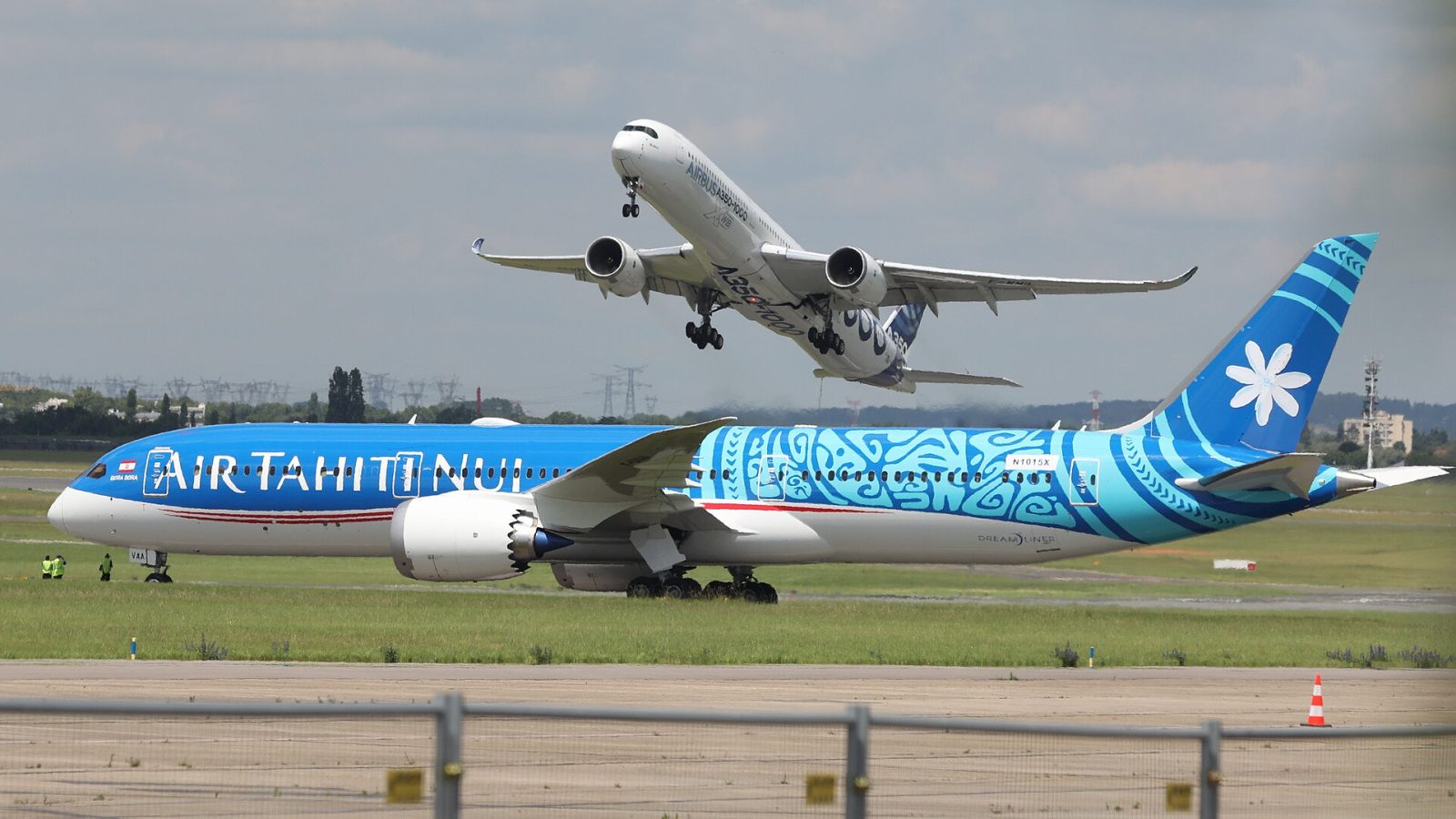
Southwest Airlines is leaning towards ordering Boeing 787 Dreamliners as it explores a move into the long-haul international market, according to Paddle Your Own Kanoo, citing sources within the airline reported by Reuters. The carrier has confirmed nothing, saying only that it has no fleet news to share.
That restraint is understandable. What Southwest is considering would be the most significant structural change in its history: a Dallas-based, all-narrowbody operator built entirely around the Boeing 737 contemplating widebody international flying for the first time. The implications run from the flight deck to the galley to the union contract, and they are worth unpacking carefully.
Why the Boeing 787 Makes Logical Sense for Southwest Airlines
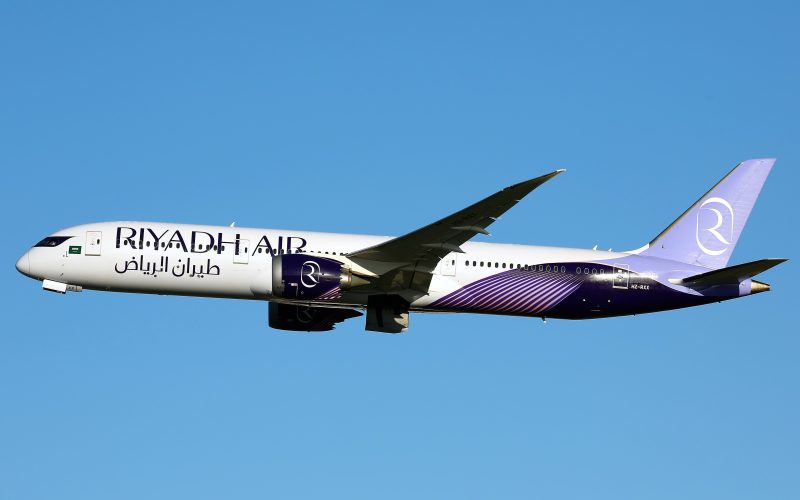
The arithmetic is straightforward. Southwest's existing 737 fleet cannot reach Europe, most of Asia, or the African destinations that chief executive Bob Jordan has said the airline is examining, according to Paddle Your Own Kanoo. The Boeing 787-9 has a maximum range of 8,300 nautical miles, enough to cover virtually every market Southwest is reportedly considering from either coast.
Staying all-Boeing also has an obvious appeal. Southwest's entire maintenance infrastructure, training pipeline and supplier relationships are built around Boeing aircraft. Adding a second manufacturer would multiply costs and complexity in ways that a second Boeing type, at least in theory, would not to the same degree.
That logic is not lost on Airbus, however. Paddle Your Own Kanoo reports that the manufacturer is actively pitching Southwest on the A321LR and A321XLR for lower-cost transatlantic flying, as well as the widebody A330neo. Those are credible alternatives, and Southwest's silence on a final decision suggests the evaluation is genuine rather than a foregone conclusion. Use our Manufacturer Search to explore both Boeing and Airbus widebody programmes in more detail.
The Delivery Slot Problem
Even if Southwest decides it wants new 787s, getting them quickly is another matter. Paddle Your Own Kanoo notes that Boeing has no available delivery slots for the remainder of the decade. That is a significant constraint for an airline under pressure from its activist investor to move quickly.
The alternatives are a leased 787 or a second-hand aircraft. Both would allow Southwest to test the long-haul market at lower upfront cost. A name that appears in the sourced reporting is Norse Atlantic Airways, a struggling low-cost carrier that operates seven Boeing 787-9s and is said to be considering a sale, merger or partnership after struggling to establish itself in the transatlantic market it was built around. Whether a deal involving Norse assets is feasible is unknown, but the coincidence of timing is at least notable.
What the Operational Transformation Would Require
The fleet question, important as it is, may be the simpler half of the problem. Southwest's entire service model would need rebuilding for long-haul flying. Paddle Your Own Kanoo reports that the airline's current galley configuration does not support substantial meals, hot food or even beverage carts in the aisle. That is workable on a two-hour domestic hop. It is not workable on a ten-hour transatlantic crossing.
Labour is equally complex. Southwest has already invoked clauses in its pilot and flight attendant contracts that allow it to open negotiations on what long-haul flying would look like for crews, according to Paddle Your Own Kanoo. The existing flight attendant contract covers only its limited international network of Mexico, Central America and the Caribbean. Maximum flying hours, minimum rest requirements and incentive pay for long-haul routes will all need to be negotiated afresh. That process takes time, and it introduces uncertainty that Southwest's board will need to price in.
The Elliott Effect
The long-haul push does not exist in a vacuum. Paddle Your Own Kanoo attributes the strategic overhaul at Southwest to activist investor Elliott, which gained control of the airline's board and has already pushed through the end of open seating, the elimination of free checked bags and new fare structures. Long-haul expansion fits that pattern: Elliott is pushing Southwest towards revenue streams that its traditional model left untouched.
That context matters when assessing the credibility of the 787 reports. This is not an airline idly exploring options. It is an airline under board-level pressure to grow revenue, with a regulator filing already submitted to the US Department of Transportation seeking permission to fly to any country holding an Open Skies agreement with the United States. That list, as Paddle Your Own Kanoo notes, includes the entire European Union, the United Kingdom, India, Japan, Thailand, Australia and South Korea. The regulatory groundwork is being laid.
What Is Still Not Known
Several things remain genuinely uncertain. Southwest has not confirmed which aircraft type it will order, or whether it will order at all. The timeline for any potential long-haul launch is unknown. The outcome of union negotiations has not been disclosed. Whether Boeing could accelerate delivery slots, or whether Southwest would pursue leased or second-hand aircraft as a bridge, is unconfirmed.
It is also worth noting that Southwest only began international flying in 2014, according to Paddle Your Own Kanoo. Its experience of operating beyond its near-international network remains limited. How quickly it could build the operational competence for long-haul flying is an open question.
What to Watch Next
The signals to watch are the union negotiations, any further DOT filings, and whether Boeing or Airbus acknowledges Southwest as a prospective customer in their own earnings or order disclosures. A leasing agreement or a second-hand aircraft acquisition would be the clearest early sign that Southwest is moving from evaluation to execution.
The wider low-cost long-haul market provides a cautionary backdrop. Norse Atlantic's difficulties in the transatlantic market it was designed for illustrate that low-cost long-haul remains a hard model to sustain. Southwest would be entering that space as a complete newcomer, with a cost structure and brand identity built entirely on domestic simplicity.
That does not mean the move will fail. Southwest's scale, its loyalty base and the regulatory groundwork it has already laid give it advantages that pure start-ups lack. But the gap between filing paperwork with the DOT and profitably operating a 787 to London or Tokyo is wide, and much of what fills that gap is still unresolved.
Continue to follow The Aviation Hub for more analysis and insight.
Advertise with us Your brand, in front of an aviation audience Home page and in-article placements, sold directly, one advertiser per slot. From £250 a year. See the rates