Boeing Deliveries Rise in 2026: 737 Leads the Recovery
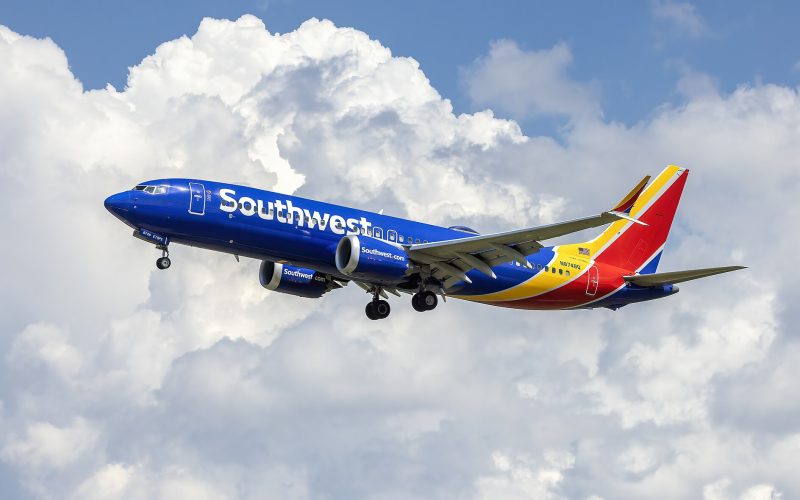
Boeing has delivered 475 commercial aircraft in the first nine months of 2026, up 8% year on year, with the 737 family driving most of the improvement.
 By The Aviation Hub
5 min read
By The Aviation Hub
5 min read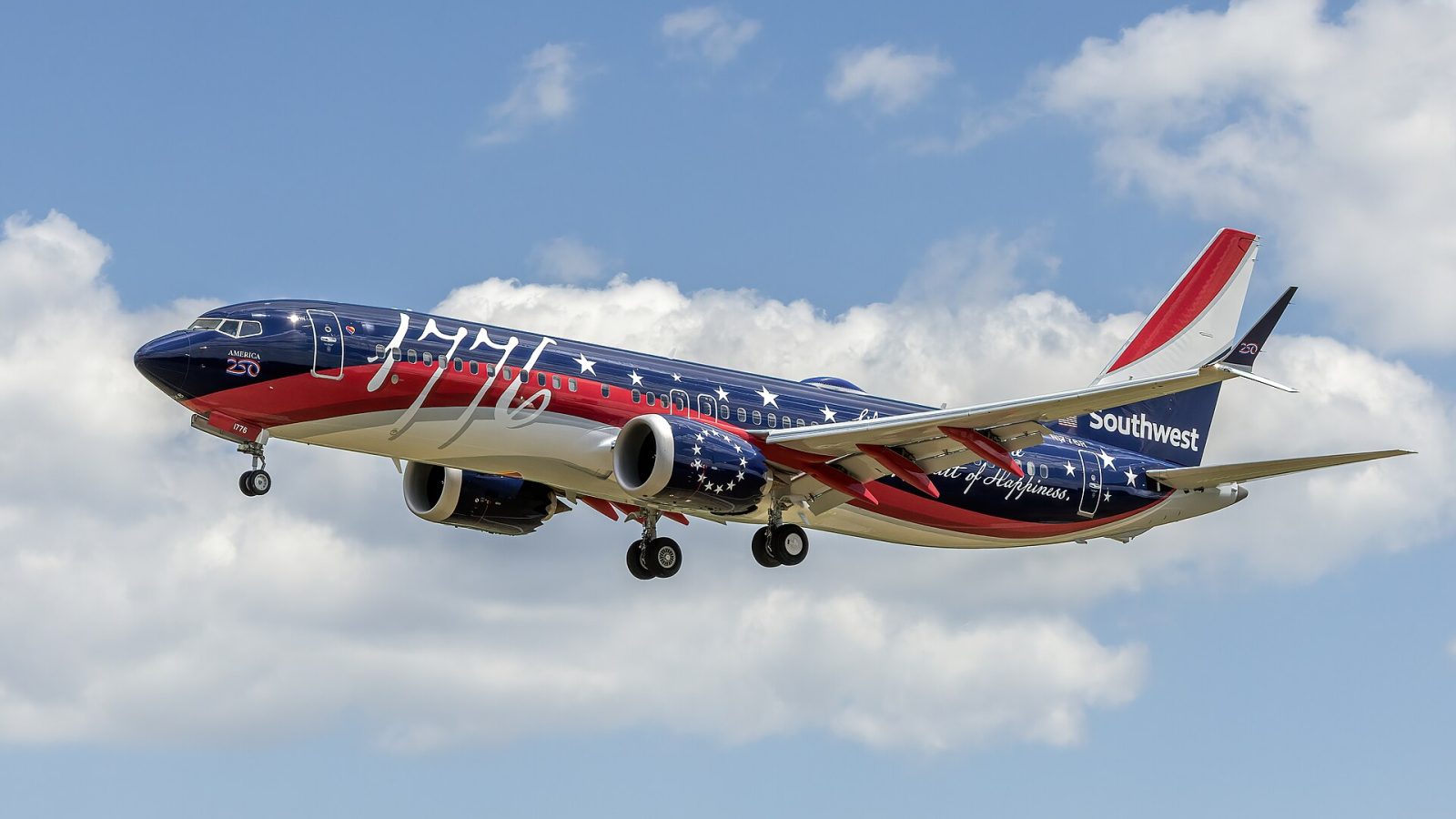
Boeing deliveries reached 475 commercial aircraft through the end of September 2026, an 8% increase on the same period last year, putting the manufacturer on course to exceed its full-year 2025 total of 600 aircraft. The figures were released on 13 October 2026, though AeroTime notes they remain preliminary until Boeing reports its third-quarter financial results on 27 October 2026.
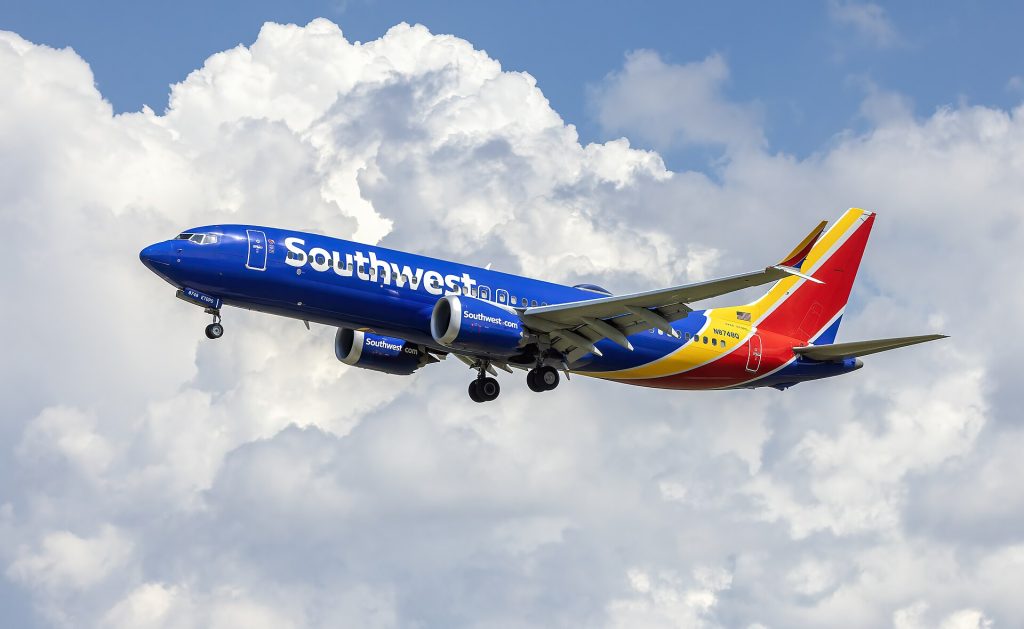
The gains are meaningful, but they come against a backdrop of continued pressure on production quality and a gap to close with Airbus, which delivered 547 aircraft over the same nine months.
How Boeing Deliveries Break Down by Type
The 737 family is doing the heavy lifting. According to AeroTime, Boeing delivered 367 aircraft from the 737 line in the first nine months of 2026, up from 330 in the same period of 2025. That improvement accounts for the bulk of Boeing's year-on-year gain.
The 787 was nearly flat, with 62 deliveries compared with 61 a year earlier. The 767 improved modestly, rising from 20 to 26. The 777 moved in the other direction, falling from 29 deliveries to 20.
For readers tracking specific Boeing types, our Aircraft Search tool lets you look up individual airframes across the fleet.
What the Third Quarter Showed
Boeing handed over 161 aircraft in the third quarter of 2026, almost exactly in line with the 160 delivered in the third quarter of 2025. The quarterly total comprised 124 737s, 22 787s, 10 767s and five 777s.
September was the strongest month of the quarter. AeroTime reports that Boeing delivered 57 aircraft in September, up from 51 in August and ahead of the 55 delivered in September 2025.
To exceed last year's full-year total, Boeing needs to hand over at least 126 aircraft in the fourth quarter. On current monthly run rates, that target looks achievable.
Boeing vs Airbus: The Gap Remains Wide
Both manufacturers grew deliveries by roughly 8% through September, but Airbus retained a clear lead. AeroTime puts the Airbus nine-month total at 547 aircraft, a margin of 72 over Boeing.
The orders picture tells a similar story. Airbus recorded 1,174 gross orders in the first nine months, or 1,105 net of cancellations. Boeing booked 618 net orders over the same period.
Boeing's official backlog stood at 6,371 aircraft at the end of September, up from 6,156 at the end of August, according to AeroTime, citing Reuters.
A Strong September for Boeing Orders
Boeing had an unusually strong month for new sales in September. AeroTime reports that the manufacturer booked 165 aircraft orders during the month, with a Turkish Airlines order for 100 737 MAX jets accounting for most of that total.
Other September orders included 20 737 MAX aircraft for Lufthansa, six 737 MAXs and five 787s for Biman Bangladesh Airlines, and eight 777-8 Freighters and two 777 Freighters for Ethiopian Airlines.
The 737 Production Challenge
Delivering more aircraft requires producing more of them consistently, and that has proved harder than Boeing expected. CEO Kelly Ortberg said in September 2026 that reaching a sustained rate of 47 737s per month had taken longer than planned, according to AeroTime.
The regulator has been involved throughout. Aviation A2Z reports that in October 2025 the US Federal Aviation Administration (FAA) and Boeing agreed to raise the permitted 737 production rate from 38 to 42 aircraft per month, following a review of production performance indicators. In July 2026 the FAA allowed Boeing to resume issuing airworthiness certificates for all newly produced 737 MAX and 787 aircraft, after eight months of data showed consistent production quality.
Boeing also opened a new North Line at its Everett, Washington, facility in July 2026, assembling 737 MAX aircraft for the first time outside Renton. Aviation A2Z reports that Boeing plans to begin at low-rate initial production, allowing workers to validate the process before output increases. We covered the earlier production rate increase and its implications in our piece on Boeing 737 MAX production getting a boost.
ANA Joins the 737 MAX Customer List
One new delivery relationship beginning in October 2026 is with All Nippon Airways (ANA). Aviation A2Z reports that ANA is scheduled to start receiving Boeing 737-8 aircraft this month, marking Boeing's first 737 MAX deliveries to the carrier.
ANA is stationing inspectors at Boeing's Renton, Washington, production facility approximately three months before each aircraft is due for handover. Nikkei Asia reported that ANA had 319 inspectors across the company as of 1 October 2025, including three based at Renton, alongside a broader fleet plan of up to 42 Boeing 737-8 aircraft.
One ANA inspector described the approach to Aviation A2Z: "I physically go to the manufacturing site myself and verify with my own eyes that the aircraft are being built to specifications." The airline's teams also monitor aircraft after delivery and feed quality concerns back to Boeing.
The Bottom Line
Boeing's delivery numbers through September 2026 show genuine progress. The 737 line is contributing more aircraft, monthly totals are trending upward, and a backlog of more than 6,300 aircraft provides long-term visibility.
The outstanding question is production consistency. Ortberg's own words confirm that sustaining 47 aircraft a month from Renton has not yet been achieved, and the new Everett line is still in its early stages. For readers following the broader competition between the two planemakers, our analysis of Boeing 777XF versus Airbus A350F sets out where the longer-term contest may be decided.
The Q3 financial results on 27 October 2026 will give a fuller picture of where Boeing stands. Use our Manufacturer Search to follow Boeing's output and programme updates as they develop.
Continue to follow The Aviation Hub for more analysis and insight.
Advertise with us Your brand, in front of an aviation audience Home page and in-article placements, sold directly, one advertiser per slot. From £250 a year. See the rates