JAL Orders Up to 26 Embraer E190-E2 Jets to Modernise J-AIR’s Fleet
Japan Airlines has placed a firm order for 16 Embraer E190-E2 aircraft, plus 10 options, to replace J-AIR's ageing regional jets from 2029.
 By The Aviation Hub
4 min read
Updated October 14, 2026
By The Aviation Hub
4 min read
Updated October 14, 2026 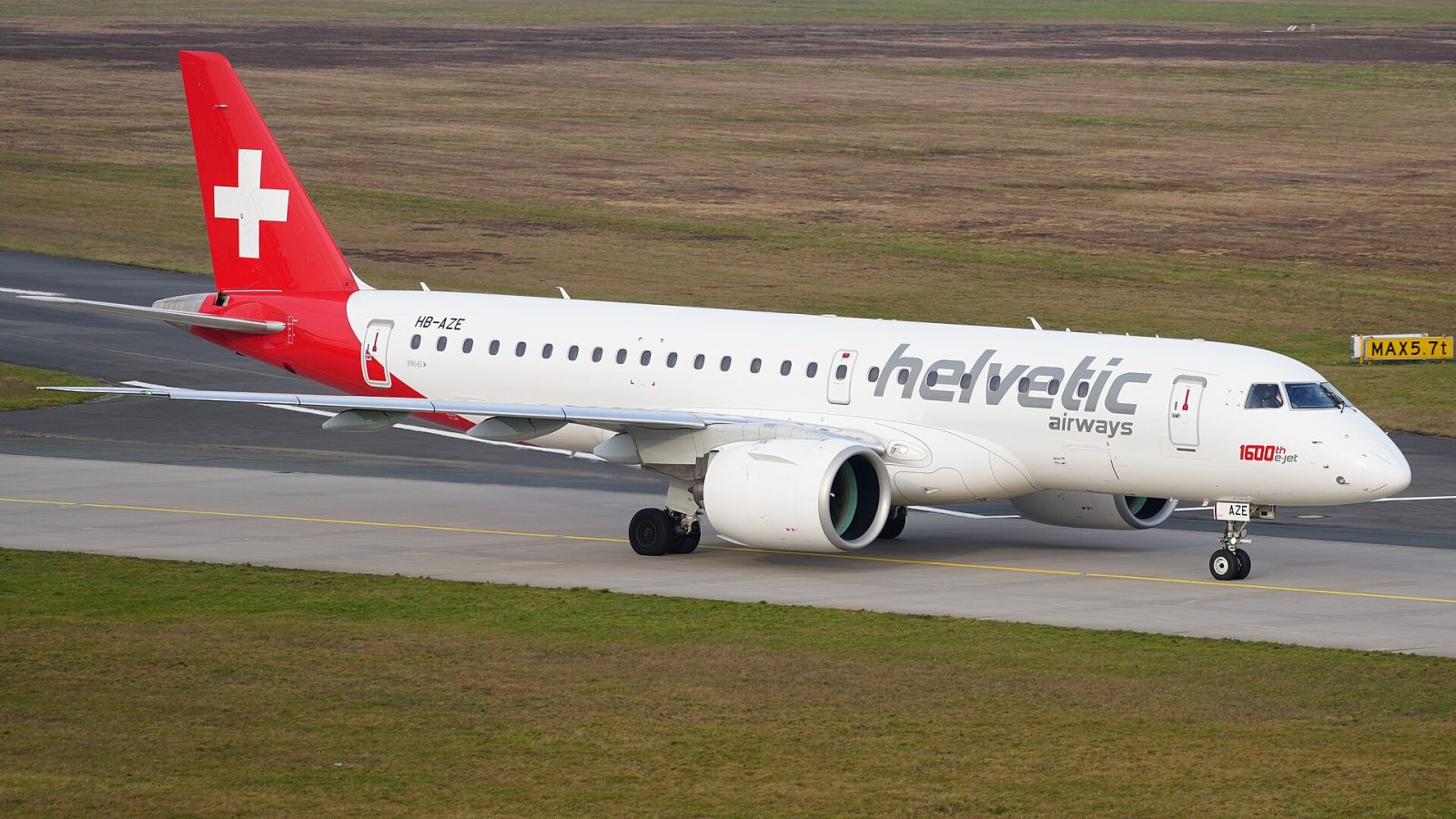
Japan Airlines (JAL) has placed an order for up to 26 Embraer E190-E2 aircraft to replace the regional jet fleet operated by its subsidiary J-AIR, with deliveries scheduled to begin in fiscal year 2029.
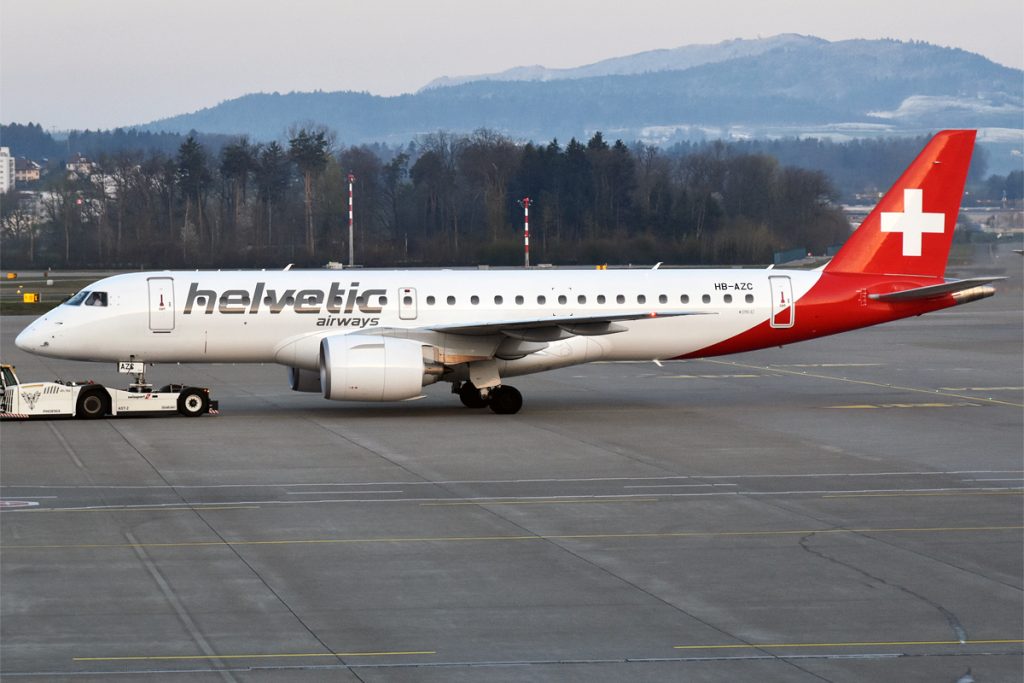
The order, announced on 14 October 2026, comprises 16 firm aircraft and 10 options. The E190-E2s will succeed J-AIR's current Embraer E170 and E190 jets, both first-generation types that the carrier has operated from its main hub at Osaka International Airport (ITM).
What J-AIR Currently Operates
According to AeroTime, J-AIR runs jet services across Japan from Osaka Itami, connecting destinations from Memanbetsu in Hokkaido in the north to the Amami Islands in Kagoshima Prefecture in the south. The carrier serves as an important link for communities that sit outside the reach of JAL's mainline network.
The E170 and E190 have served that role well, but both types belong to an earlier generation of regional jets. The E190-E2 is a substantially redesigned aircraft, with new-generation engines and a reworked wing.
Why JAL Is Making the Switch Now
JAL frames the order as part of a wider response to structural pressures on Japan's domestic market. AeroTime reports that declining business travel demand, Japan's long-term population changes, and higher costs driven by inflation and the weak yen are all weighing on the group's regional operations.
The airline's long-term plan, the "JAL Group Management Vision 2035," positions the domestic network as essential infrastructure for Japan. The E190-E2 is described as central to keeping that network economically viable while meeting the group's environmental targets.
What the Embraer E190-E2 Brings to the Route Network
The Embraer E190-E2 is powered by Pratt & Whitney PW1900G engines and typically seats between 97 and 114 passengers. AeroTime notes that it has a range of 5,463 kilometres (2,950 nautical miles), a length of 36.3 metres, a wingspan of 33.7 metres and a height of 10.7 metres.
JAL says the new-generation engines and redesigned wing deliver meaningful gains in fuel efficiency and a substantial reduction in carbon emissions compared with the aircraft it replaces. The jet is also considerably quieter, reducing the noise impact on communities close to airports. Lower maintenance costs are expected thanks to improved reliability and more durable components.
Readers wanting to explore the E190-E2's specifications further can use our Aircraft Search tool.
What JAL's CEO Said
Mitsuko Tottori, JAL's President and group CEO, was direct about the rationale. According to AeroTime, she said the domestic network supports local economies and daily life across Japan, and that the new aircraft, with its environmental performance and economic efficiency, would help the group maintain and develop a sustainable air network for the next generation while offering passengers a more comfortable experience.
How This Fits Embraer's Growing Position in Japan
The JAL order does not stand alone. Aviation24.be reports that in September 2026, Embraer announced an agreement with ANA Holdings for eight additional E190-E2 aircraft, taking ANA's firm orders to 23, with five options retained. Combined with JAL's 16 firm orders, the two Japanese groups now account for 39 firm E190-E2 orders between them.
That is a significant foothold for Embraer in one of the world's most demanding regional aviation markets. We reported in late September that Embraer was closing in on the JAL E2 order and examined what it could mean for Airbus's own ambitions in the segment.
The Bottom Line
JAL's order for up to 26 Embraer E190-E2 jets is a clear statement of intent on two fronts: fleet modernisation and regional sustainability. J-AIR's ageing E170 and E190 aircraft will give way to a more fuel-efficient, quieter and cheaper-to-maintain type at a time when Japan's domestic market is under real structural pressure.
Aviation24.be notes that deliveries begin in fiscal year 2029, giving JAL time to plan the transition carefully. With 39 firm E190-E2 orders now sitting with Japanese carriers, Embraer has established a strong platform in a country where its first-generation jets already proved themselves in daily regional service.
Continue to follow The Aviation Hub for more analysis and insight.
Advertise with us Your brand, in front of an aviation audience Home page and in-article placements, sold directly, one advertiser per slot. From £250 a year. See the rates