
Boeing 737 MAX 10 FAA Certification: One Step Away from Approval
The FAA is poised to certify the Boeing 737 MAX 10 as soon as the week of 19 October, following a key Type Certification Board meeting.
 By The Aviation Hub
4 min read
By The Aviation Hub
4 min read
The Boeing 737 MAX 10 is within touching distance of its type certificate, with the FAA's Type Certification Board (TCB) having met on Friday 16 October and the formal signature expected in the first days of the week beginning 19 October, according to Aviacionline, citing sources familiar with the process as reported by Reuters, Bloomberg and The Air Current.
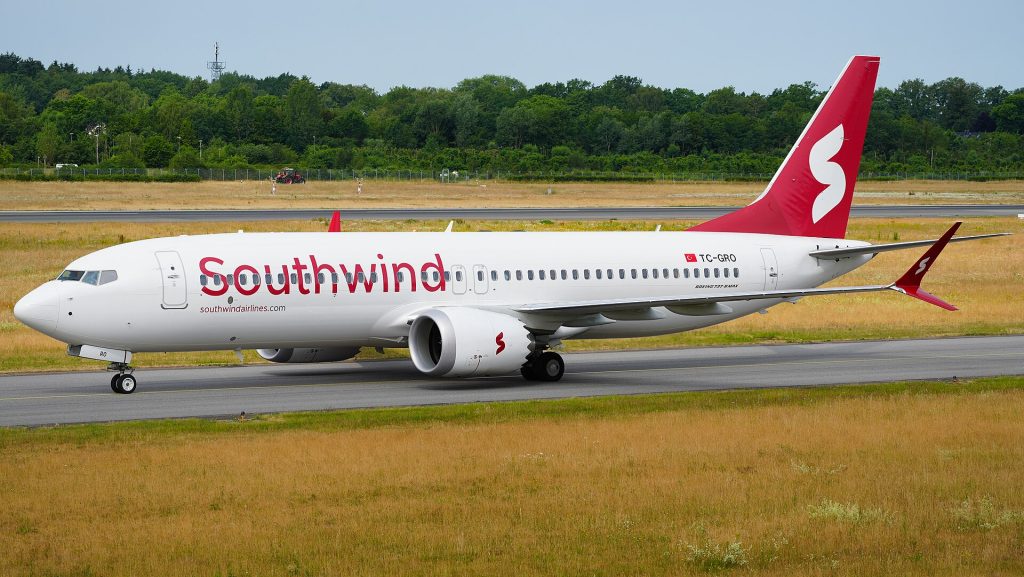
One formality stands between the TCB meeting and the certificate. Boeing must submit the Project Statement of Completion to the FAA before the protocol signatures can be made. The precedent is clear: the MAX 7's TCB also fell on a Friday, and its type certificate was signed the following week, on 3 August.
What the Boeing 737 MAX 10 Brings to the Market
The MAX 10 is the longest and highest-capacity variant in the 737 MAX family. According to Aviacionline, it measures 43.8 metres, can carry up to 230 passengers in a high-density configuration (between 188 and 204 in a typical two-class layout) and offers a range of approximately 3,100 nautical miles (around 5,740 km), based on manufacturer data.
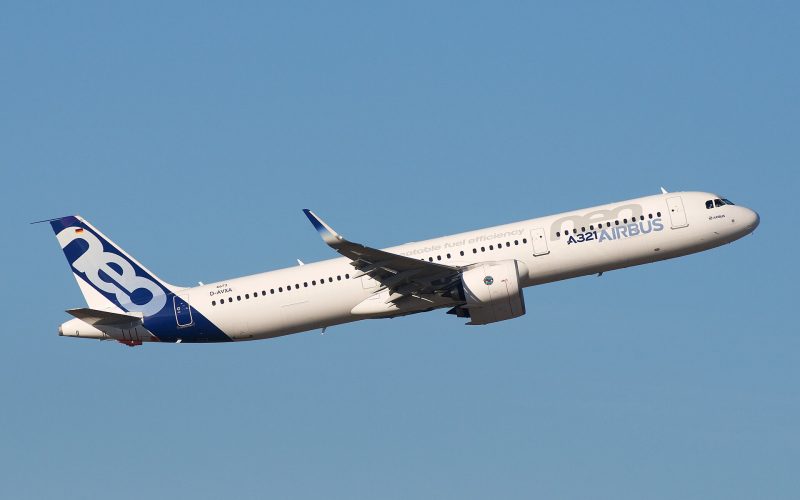
Boeing presents it as the narrowbody with the lowest cost per seat in its category. It competes directly with the Airbus A321neo on high-density, high-frequency routes, though with less range than the A321XLR. AerCap has said publicly that airlines' preference for the A321neo over the MAX 10 will only reverse once the type is certified and in service.
You can explore the full Boeing narrowbody family using our Manufacturer Search tool.
Why Certification Took So Long
Boeing had originally planned the first MAX 10 deliveries for 2020. Aviacionline reports that the process stretched out because of regulatory changes following the 2018 and 2019 MAX 8 accidents, tighter FAA oversight, and later, production and quality problems including the Alaska Airlines MAX 9 door plug incident in January 2024.
Between 2023 and 2026, the main obstacle was the redesign of the anti-icing system on the CFM LEAP-1B engines, which could overheat the engine's inner barrel under certain conditions. The certification flight campaign ultimately closed on 28 July with 976 flights and more than 2,060 flight hours across three test aircraft, plus approximately 1,040 hours of ground testing.
The Late Software Hurdle
A new obstacle emerged in late September. Aviacionline explains that a fault in versions U14 and U14.1 of the flight management computer (FMC) software was found to disconnect vertical navigation (VNAV) and increase crew workload during a go-around with a modified escape route. The FAA halted certification on 28 September.
On 2 October, the FAA's Corrective Action Review Board met in Seattle and determined there was no safety issue, stating that "pilots retain full control of the aircraft and the indications are clear and unambiguous." The agency will issue a Special Airworthiness Information Bulletin, and Boeing will publish guidance for operators. The alert had originally come from WestJet in November 2024 and only became public in late September. United and Southwest asked not to receive new MAX aircraft fitted with those software versions.
Who Has Ordered the MAX 10
The Boeing 737 MAX 10 accounts for close to 30% of the undelivered 737 family backlog, with 1,533 firm orders recorded as of June 2026, according to Aviacionline.
The largest customers are United Airlines (167 aircraft), Ryanair (150 firm orders plus 150 options), Alaska Airlines (105 firm orders plus rights on a further 35, described as the largest order in its history), and Delta (100, with options for 30 more). American Airlines, Pegasus, Akasa Air, Air India Express, Vueling and Lufthansa Group, which exercised options for 20 units in September, are also on the list. WestJet is the launch customer, with 60 aircraft ordered in 2022.
Ryanair's appetite for the type is a significant part of the picture. We have previously looked at how Ryanair has built its low-cost dominance across Europe, and the MAX 10 forms a central part of its future fleet strategy.
What Boeing Has at Stake Financially
Boeing already has approximately a dozen customer airframes built and waiting for the certificate, and in July it began loading MAX 10 fuselages on a new production line in Everett. Certification would open the door to the first commercial deliveries in 2027, according to Aviacionline.
Alaska Airlines expects its first unit in the northern spring, with the start of passenger operations planned between April and mid-May. Those deliveries carry significant cash value for Boeing at a sensitive point in its financial and production recovery against Airbus in the narrowbody segment.
The FAA has reiterated that "safety dictates the certification schedule," a position it maintains even as Transportation Secretary Sean Duffy is pushing reforms to speed up the certification process, citing competition with China.
The Bottom Line
The Boeing 737 MAX 10 has cleared its final formal review hurdle. Barring any last-minute complication with the Project Statement of Completion, the type certificate could be signed within days, ending a delay that has run more than five years beyond the original target.
For Boeing, the certificate unlocks deliveries, cash and competitive credibility in the segment where it needs it most. For the airlines that have ordered the type in large numbers, it sets the clock running on fleet planning that has been on hold for years.
Continue to follow The Aviation Hub for more analysis and insight.
Advertise with us Your brand, in front of an aviation audience Home page and in-article placements, sold directly, one advertiser per slot. From £250 a year. See the rates
.jpg)