FAA and Air Traffic Controllers’ Union Agree on Pay Deal
The FAA and the air traffic controllers' union have agreed a deal on workforce changes in return for a 2.8% pay increase.
 By The Aviation Hub
4 min read
By The Aviation Hub
4 min read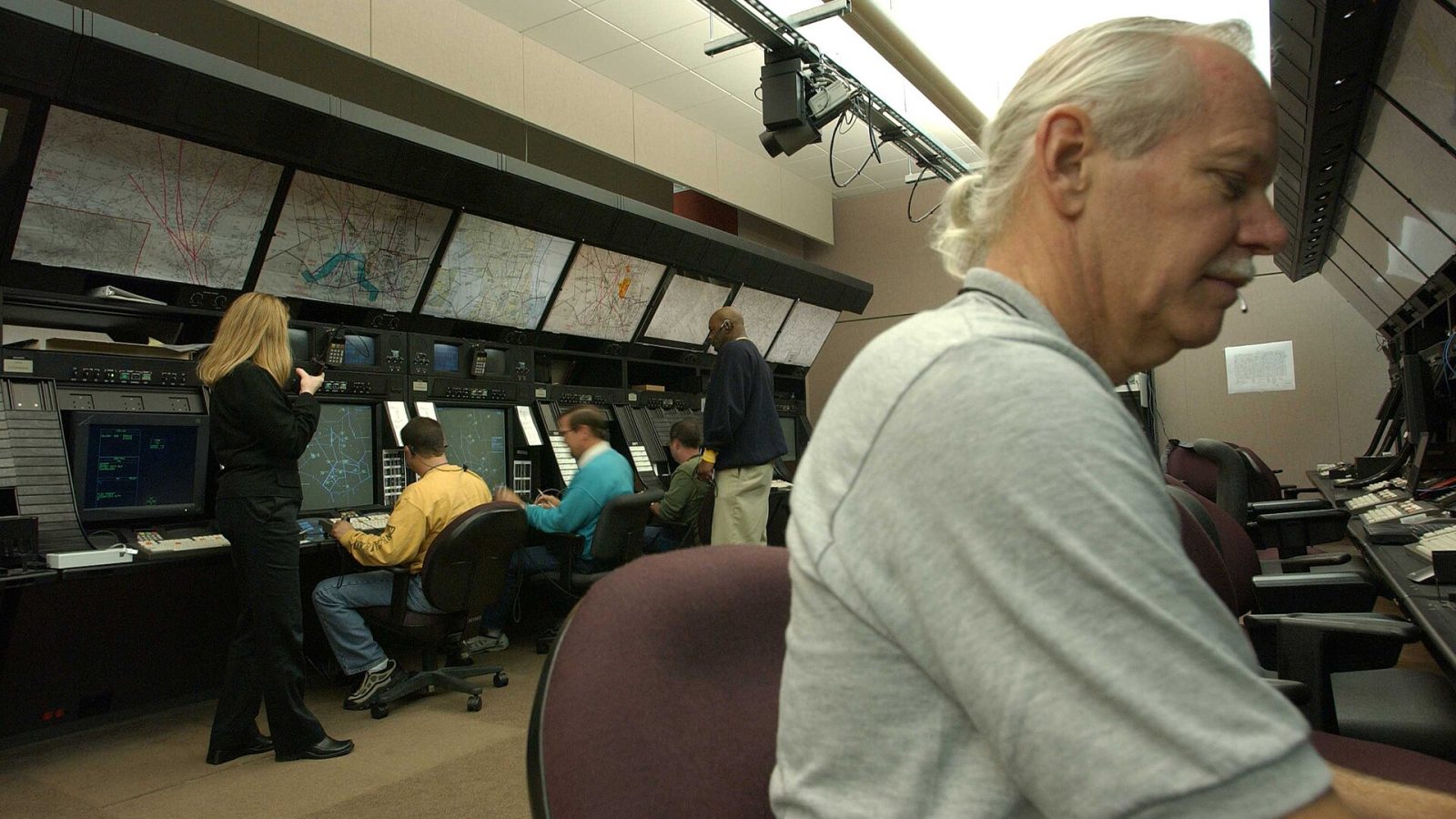
The US Federal Aviation Administration and the union representing FAA air traffic controllers have reached an agreement on workforce changes, with a 2.8% pay increase the central element of the deal, according to Bloomberg.
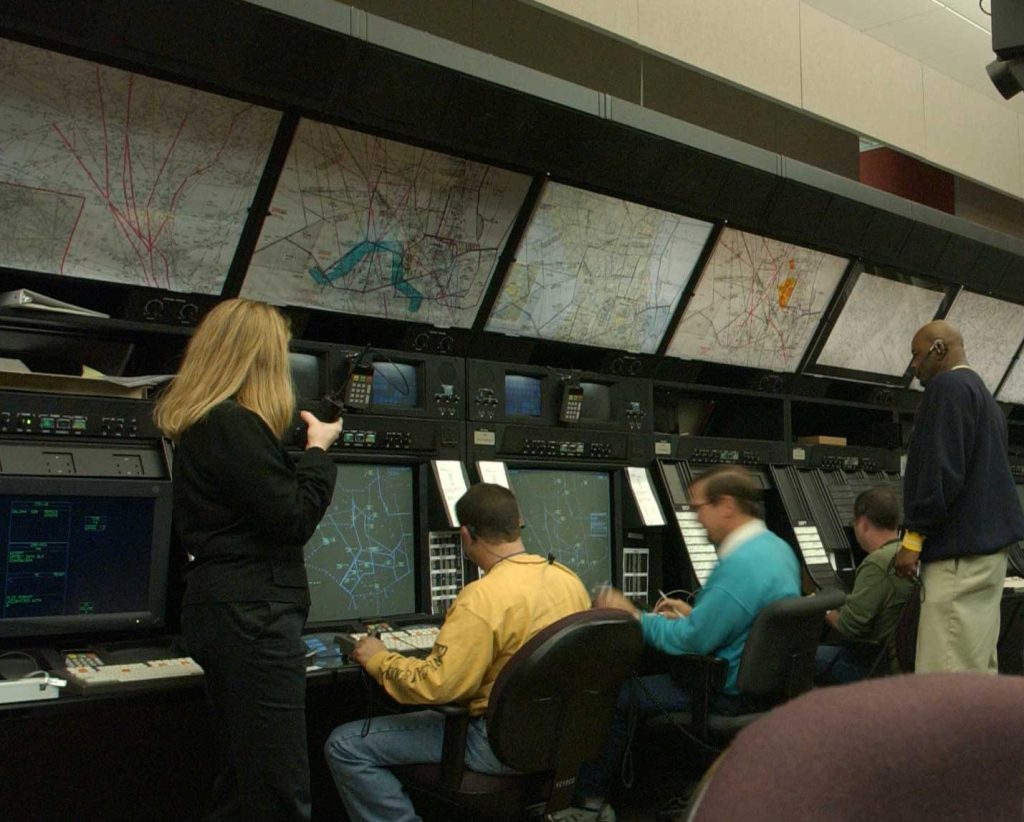
The agreement comes at a moment of heightened scrutiny of the FAA's air traffic management operations, with questions being raised in Congress about staffing, technology and oversight across the national airspace system.
What the Deal Involves for FAA Air Traffic Controllers
Bloomberg reports that the FAA and the controllers' union agreed to workforce changes in exchange for the 2.8% pay bump. The specific nature of those workforce changes has not been detailed in available sources.
A pay agreement of this kind has been anticipated for some time. The 2.8% figure represents a concrete concession from the FAA on controller compensation, a subject that has long been a point of tension between the agency and the workforce it depends upon to manage the busiest airspace in the world.
The Broader FAA Technology Picture
The deal arrives alongside a separate and significant development at the FAA. AeroTime reports that the agency is seeking an ownership stake in Air Space Intelligence, a Boston-based technology company already awarded a contract worth up to $875.9 million to develop AI-supported air traffic management tools.
Two systems sit at the heart of that contract. The first, Flow Management Data and Services, is designed to help the FAA's Air Traffic Control System Command Center balance flight demand with available capacity. The second, called Strategic Management of Airspace, Routes and Trajectories (SMART), is intended to identify congestion and recommend adjustments before aircraft depart.
The FAA began using SMART on a limited basis around Washington, DC, on 21 September 2026. AeroTime notes that the system combines around 200 data streams, covering weather, flight paths, traffic flow and controller staffing, to help personnel anticipate problems and manage bottlenecks. FAA staff review its recommendations, and local air traffic control managers can accept or reject its scheduling suggestions.
Lawmakers Call for a Pause on AI Rollout
The SMART rollout has drawn pointed questions from members of Congress. In a letter dated 9 October 2026 to Transportation Secretary Sean Duffy and FAA Administrator Bryan Bedford, lawmakers led by Representative April McClain Delaney of Maryland called for a pause in the system's use at Reagan National (DCA), Dulles International (IAD) and Baltimore/Washington International (BWI).
Their letter asked what safety evaluations had been completed, how SMART would perform during severe weather or equipment outages, and what training controllers received before the system went live. The lawmakers also sought details on the initial 90-day evaluation period and the standards the FAA would require before any nationwide expansion.
"I'm calling on the FAA to pause this rollout, show us the safety testing, and explain who is accountable when something goes wrong," McClain Delaney said, as quoted by AeroTime.
The Proposed Ownership Stake
The FAA's interest in taking an equity position in Air Space Intelligence would be an unusual step. AeroTime reports that internal agency documents, first reported by Politico, show the FAA has drawn up preliminary terms for an investment that would give the government the right to buy shares at a set price. Those preliminary terms are set to expire at the end of 2026.
Whether a final agreement is close is not clear. The FAA told Politico it could not immediately comment, and Air Space Intelligence did not respond to the outlet's request for comment. The proposed arrangement would extend the Trump administration's broader interest in taking ownership stakes in private companies into the realm of air traffic management. The government agreed to acquire a 9.9% stake in Intel in 2025, but an equivalent role in one of its own aviation contractors would represent a step beyond that precedent.
You can track developments across US carriers affected by air traffic decisions using our Airline Search tool.
The Bottom Line
The pay deal between the FAA and the air traffic controllers' union is a meaningful development for a workforce whose staffing levels and working conditions have drawn repeated attention from safety advocates and legislators alike. A 2.8% pay rise, secured alongside workforce changes, signals movement on an issue that has been building for some time.
At the same time, the FAA faces questions about the pace of its AI technology rollout and its unconventional interest in taking an ownership stake in a contractor. Congressional pressure, unanswered questions about safety testing, and the novelty of the proposed investment arrangement mean the agency will remain under close scrutiny in the months ahead.
Continue to follow The Aviation Hub for more analysis and insight.
Advertise with us Your brand, in front of an aviation audience Home page and in-article placements, sold directly, one advertiser per slot. From £250 a year. See the rates