
Boeing 737 MAX 10 Software Flaw: What the FAA’s Ruling Really Means
The FAA has cleared a 737 MAX software issue as no safety risk, but the episode raises questions worth examining before certification closes.
 By The Aviation Hub
5 min read
By The Aviation Hub
5 min read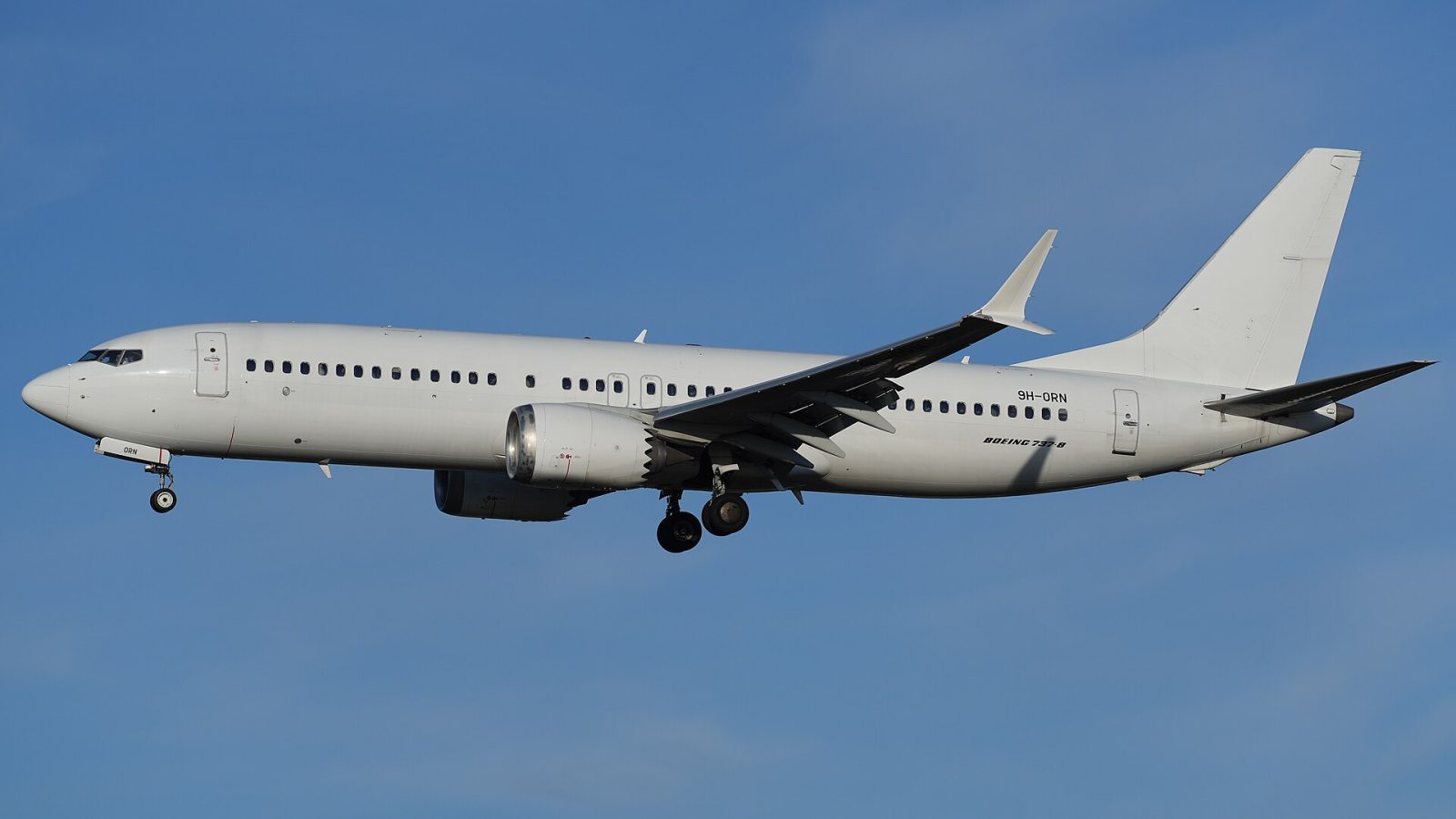
The FAA has determined that a Boeing 737 MAX software fault is not a safety risk, but the episode has not closed without leaving questions in its wake. The regulator's finding clears a path toward MAX 10 certification, yet the Boeing 737 MAX software issue has drawn enough attention from airlines and pilots that its implications deserve a closer look.

What the Boeing 737 MAX Software Fault Actually Does
The problem sits in versions U14 and U14.1 of the flight management computer (FMC). According to aviacionline, during a go-around with a modified escape route, the fault can disconnect vertical navigation (VNAV) and increase crew workload. That is the nub of it: the aircraft does not lose control, but pilots face additional demands at a moment when workload is already high.
The FAA halted MAX 10 certification on 28 September over this issue. Its Corrective Action Review Board met in Seattle on 2 October and concluded that "pilots retain full control of the aircraft and the indications are clear and unambiguous," aviacionline reports. On that basis, the agency declared no safety risk. We covered the initial halt when it was announced in our piece on the FAA's review of the Boeing 737 MAX software flaw.
Why the Timing Matters
The fault did not emerge from Boeing's own testing. Aviacionline notes that the alert came originally from WestJet in November 2024 and only became public in late September 2026, nearly a year later. The gap between an airline flagging a concern and it surfacing publicly is, at minimum, a question worth asking.
The disclosure landed at the worst possible moment for Boeing. The MAX 10 certification flight campaign had already closed on 28 July after 976 flights and more than 2,060 flight hours. The Type Certification Board met on 16 October, with the FAA described by aviacionline as being in a position to approve the type certificate as soon as the week of 19 October, pending Boeing's submission of the Project Statement of Completion.
What the Airlines Said
Two major customers made their position plain. Aviacionline reports that United and Southwest both asked not to receive new MAX aircraft fitted with the affected software versions. That is a notable step. Airlines do not routinely attach conditions to deliveries of a type they have ordered in large numbers, and it signals that, whatever the FAA's formal finding, the carriers were not prepared to accept the issue as trivial.
The Seattle Times frames the concern precisely: even with no safety risk determined, the fault increases pilots' workloads before landing, and that concern has not been fully put to rest. Increased workload in a go-around is not an abstract worry. Go-arounds are, by definition, situations where something has already deviated from the expected.
The Regulatory Response and What It Leaves Open
The FAA's remedy is a Special Airworthiness Information Bulletin, with Boeing publishing guidance for operators. Aviacionline confirms both steps are underway. What remains uncertain is exactly when operators will receive that guidance, whether the affected software versions will be updated before further deliveries, and how quickly the bulletin reaches crews flying the existing MAX fleet.
The FAA's stated position throughout has been that "safety dictates the certification schedule," a formulation the agency repeated publicly even as Transportation Secretary Sean Duffy has been pushing reforms to accelerate the process, according to aviacionline. Those two pressures, thoroughness and speed, do not always pull in the same direction, and the software episode is a reminder of that tension.
What Is at Stake for Boeing
The MAX 10 carries substantial financial weight. Aviacionline reports that the variant accounts for close to 30% of the undelivered 737 family backlog, with 1,533 firm orders as of June 2026. United alone has 167 on order, Ryanair 150 firm with 150 options, Alaska Airlines 105 firm, and Delta 100 with options for 30 more. Boeing already has around a dozen customer airframes built and waiting. First commercial deliveries are expected in 2027.
AerCap has said publicly that airlines' preference for the Airbus A321neo over the MAX will only reverse once the MAX 10 is certified and flying, aviacionline notes. That framing places the MAX 10 certificate at the centre of Boeing's competitive recovery in the narrowbody market. Any further delay, even a brief one, extends the period in which the A321neo operates without a direct certified rival from Boeing in that seat-count range.
Our earlier analysis of where Boeing 737 MAX 10 certification stood as of 17 October sets out the full certification timeline in detail. Readers wanting to explore the broader MAX family can use the Aircraft Search tool to find further coverage by aircraft type.
The Broader Context: Trust as the Real Currency
The software episode sits within a longer pattern. The MAX 10's delays stretch back to the 2018 and 2019 MAX 8 accidents, through tighter FAA oversight, through the Alaska Airlines MAX 9 door plug incident in January 2024, and through the engine anti-icing redesign that consumed much of 2023 to 2026, as aviacionline documents. Each episode, however resolved, adds to the institutional memory that regulators, airlines and pilots carry into the next one.
The FMC fault is, by the FAA's own determination, not a safety risk. But the combination of a year-long gap before public disclosure, two airlines declining affected deliveries, and a concern that pilots' workload increases at a critical phase of flight is not nothing. These are the kinds of details that matter in the longer project of rebuilding confidence in the MAX programme.
The Bottom Line
The FAA's ruling removes the formal obstacle to MAX 10 certification, and on the agency's own assessment the software fault does not compromise safety. What lingers is a set of unanswered questions: when the guidance reaches operators, whether the affected software versions will be resolved before further deliveries proceed, and why a concern first raised by WestJet in November 2024 took so long to surface. The answers to those questions will shape how the industry reads Boeing's next chapter as much as the certificate itself will.
Continue to follow The Aviation Hub for more analysis and insight.
Advertise with us Your brand, in front of an aviation audience Home page and in-article placements, sold directly, one advertiser per slot. From £250 a year. See the rates

.jpg)