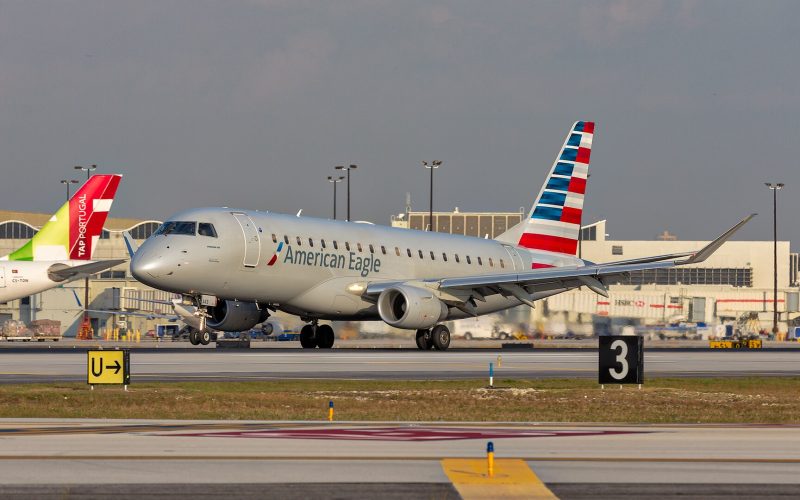
United CEO Scott Kirby: American Airlines Firing Felt Like a “Betrayal”
United Airlines CEO Scott Kirby has spoken candidly about being fired by American Airlines a decade ago, calling it a betrayal that drove him to build a stronger rival.
 By The Aviation Hub
7 min read
Updated October 20, 2026
Update, 20 October 2026, 01:06
Update, 20 October 2026: Aviation A2Z reports that the total value of Kirby's separation package was $13,740,552, slightly higher than the $13 million figure cited previously. The sum comprised cash severance, accelerated stock awards and flight privileges, according to American Airlines' 2017 proxy statement filed with the SEC.
The same source adds an important legal distinction: the separation agreement included a two-year nonsolicitation covenant alongside confidentiality and cooperation provisions, but no non-compete clause. As Aviation A2Z notes, a nonsolicitation clause restricts efforts to recruit individuals covered by the agreement rather than broadly prohibiting an executive from joining a rival, which is why Kirby was free to take the president's role at United immediately after his departure.
American's formal explanation for the departure also merits clarification. The airline's 2017 proxy statement described Kirby's separation as the result of its board's executive succession planning process, not a reflection of his performance as president. The interpretation that the decision turned on a three-way conflict between Parker, Kirby and Isom originates with commentary by Gary Leff at View from the Wing rather than with any company disclosure, and Aviation A2Z draws a clear distinction between the documented outcome and the suggested motive behind it.
Update, 19 October 2026, 10:01
The One Mile at a Time coverage of the New York Times interview highlights several remarks from Kirby not previously detailed. On seat fees, Kirby defended the practice by arguing that "there are some customers who want to sit in a window seat or a better seat, and that costs money to deliver," adding that the way to satisfy different passengers is "to charge for the services and products that those customers want."
On airfares more broadly, Kirby told the Times that prices are "really bouncing off an artificial low from Covid," and noted that four of eight publicly traded US airlines are set to lose money this year, meaning carriers "have to charge enough that it covers the cost of flying, and it's expensive to fly airplanes," according to One Mile at a Time.
Kirby also offered two further notable positions. He told the Times he believes artificial intelligence "is going to be really powerful, but we are in an investment bubble," and that "there's just no way it's going to generate that amount of revenue." On private aviation, he said he only flies privately "occasionally," acknowledging it carries "a P.R. risk," and that flying commercial allows him to assess both United's own product and those of its rivals, as One Mile at a Time reports.
Scott Kirby, chief executive of United Airlines, has opened up about the moment American Airlines ended his tenure there, telling the New York Times that losing the role felt less like disappointment and more like betrayal, and that it drove him to prove something at a rival carrier.
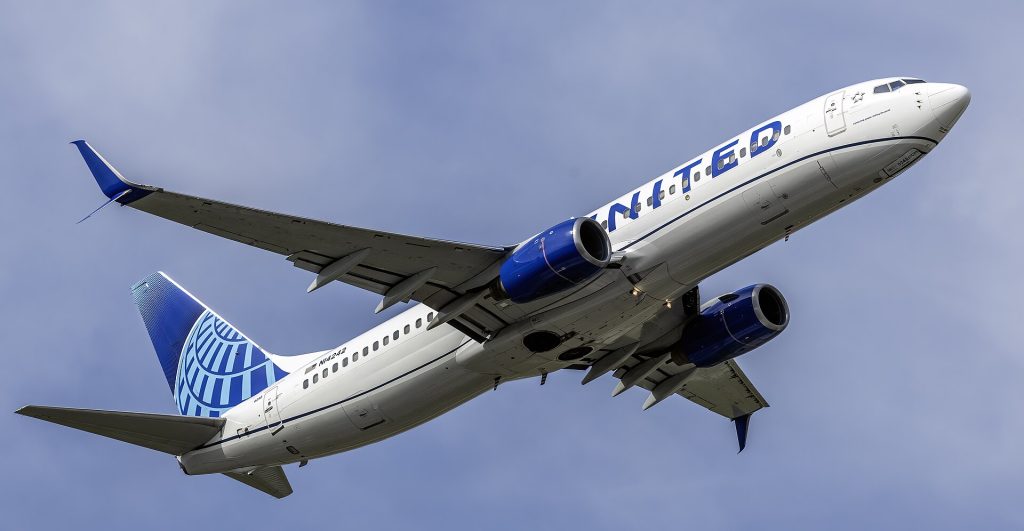
The interview is the most candid Kirby has been about one of the more consequential personnel decisions in recent US airline history. It also shines fresh light on how a single firing shaped the competitive landscape between two of the world's largest carriers.
What Happened at American Airlines
According to View from the Wing, the situation in 2016 came down to a straightforward numbers problem: American Airlines chairman and chief executive Doug Parker was not yet ready to leave, and the airline determined it could only retain two of three senior figures. Parker, then-chief operating officer Robert Isom, and then-president Scott Kirby could not all stay. Kirby was let go.
The logic, as View from the Wing sets out, was that Isom was considered the heir apparent and was unlikely to seek a role elsewhere. Kirby, by contrast, was ready to step up to the chief executive role immediately. Parker chose to keep the status quo intact.
Scott Kirby: "It Felt More Like a Betrayal"
In the New York Times interview, Kirby described the experience directly. "One was going through the experience of being told you're going to be the C.E.O. and then, 'Oh, I changed my mind and now you're fired,'" he said, as quoted by View from the Wing.
Asked whether the ending at American still stings, Kirby was precise about the distinction. "Stinging isn't the right word," he said. "It felt more like a betrayal. I wanted to go somewhere else and prove something."
He also reflected on what the experience changed in him professionally. "The biggest thing I've changed is realising that even when I know the right answer, taking the time to make sure everyone else feels good about the answer is 100 times more effective," he told the Times.
The $13 Million Severance and the Move to United
American Airlines did not hold a non-compete clause over Kirby, a detail that would prove costly for the carrier. View from the Wing notes that, as journalist Ted Reed reported at the time, American executives lacked non-compete agreements because they had no formal contracts, and the airline believed this approach would be less expensive. The severance package came to $13 million, along with lifetime travel benefits.
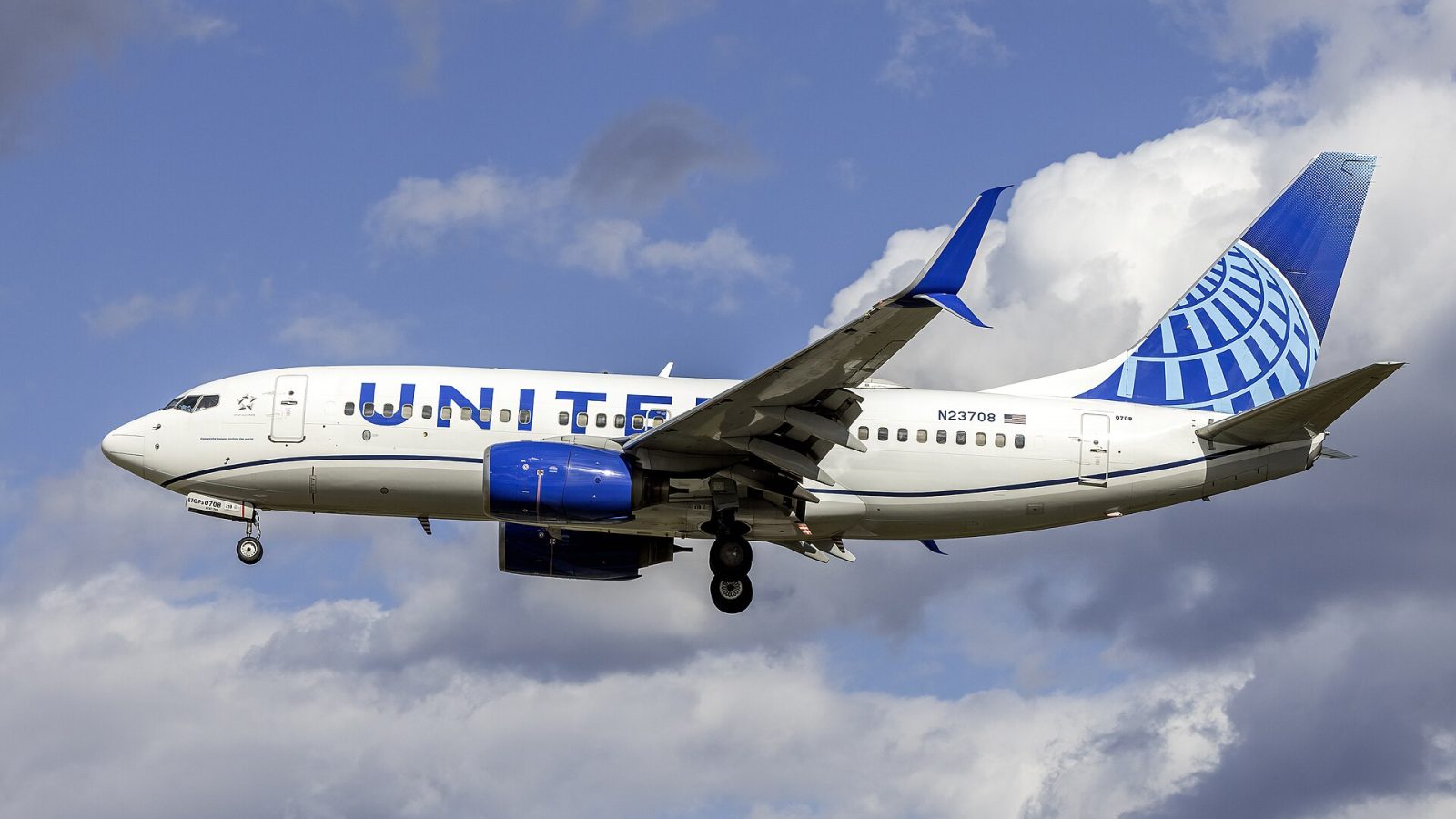
Kirby's first call after telling his wife about the firing was to a board member at United Airlines. He joined United as president in 2016 and was named chief executive in 2020.
The absence of a non-compete meant American had handed a long-term insider with deep knowledge of its weaknesses directly to one of its biggest competitors, and one who was, by his own admission, motivated to beat them.
What It Cost American Airlines
View from the Wing argues that Parker's decision to remain in post ultimately damaged the airline on multiple fronts. The site points to the debt taken on to support $12 billion in stock buybacks, and to a broader deterioration of the product, brand, and employee relationships under his leadership.
The contrast with United's trajectory since Kirby's arrival is notable. View from the Wing states plainly that no US airline has improved more over the past decade than United. The relationship between American's leadership and its workforce has continued to draw attention: we reported in February 2026 on American Airlines flight attendants delivering a historic vote of no confidence in CEO Robert Isom, the same executive Parker chose to keep over Kirby in 2016.
You can track how both carriers are positioned today using our Airline Search tool.
Kirby's Wider Views: Wealth Taxes and Inheritance
The New York Times interview ranged beyond aviation. View from the Wing reports that Kirby told the paper he believes wealth inequality has become a danger to society, calling for a national wealth tax and inheritance taxes that "get close to 100 percent at some level." He added, "I would pay them."
The timing drew comment. View from the Wing noted that the interview came in the same week United raised the cost of elite status by as much as 45.5%, and that the airline has been investing in caviar service and premium Polaris Studio seats, actively selling distinctions between passengers.
The Bottom Line
The firing of Scott Kirby by American Airlines in 2016 now looks, with a decade of hindsight, like one of the more consequential missteps in modern US airline management. American paid out $13 million with no non-compete in place, and Kirby arrived at United carrying both institutional knowledge of a rival's vulnerabilities and a personal determination to outperform it.
View from the Wing is direct in its assessment: the real blunder was Parker's decision to remain in the role at the expense of the airline's long-term competitiveness. Kirby, for his part, has spent ten years making the case that the assessment was correct. United's continued fleet investment, including the retirement of 80 aircraft planned for 2027, suggests he is not done yet.
Continue to follow The Aviation Hub for more analysis and insight.
Advertise with us Your brand, in front of an aviation audience Home page and in-article placements, sold directly, one advertiser per slot. From £250 a year. See the rates