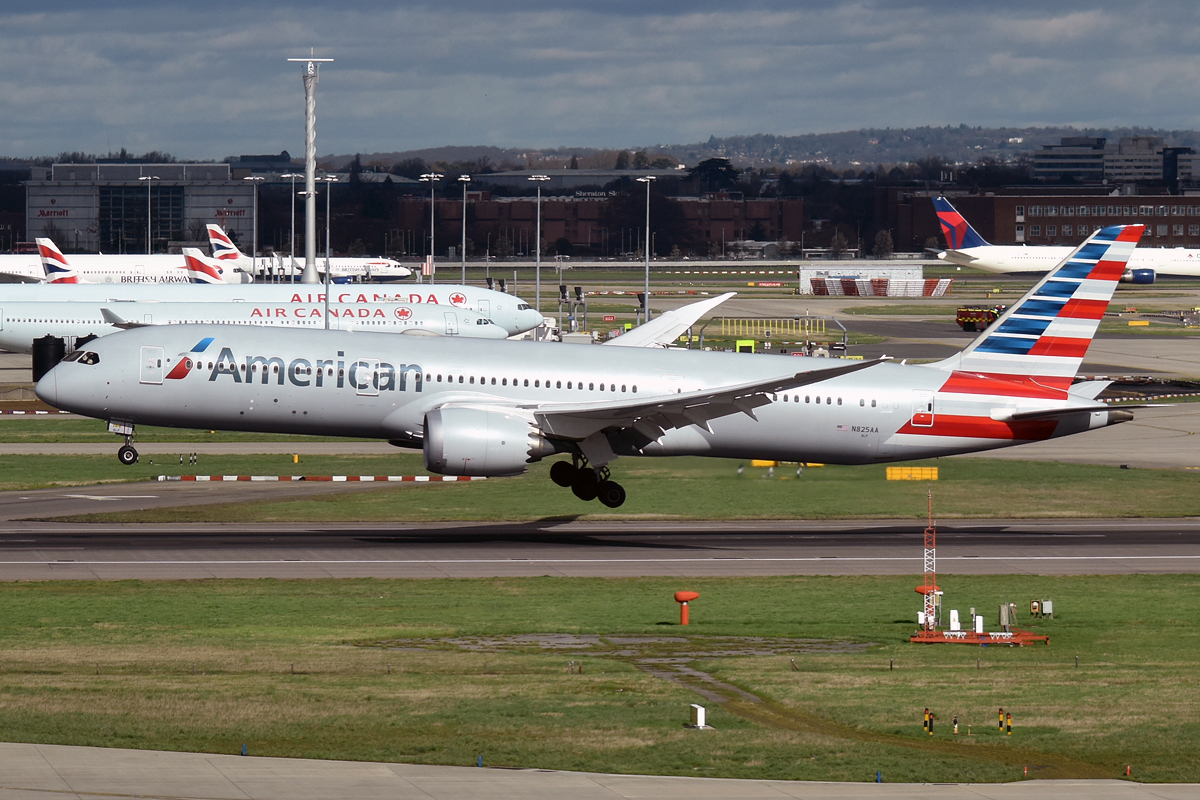
American Airlines will pay more than 9,500 flight attendants up to $169 per qualifying trip after a catering breakdown at London Heathrow (LHR) forced crews to absorb duties normally handled by ground catering staff. The settlement covers departures from Heathrow between 28 February and 27 October 2026, a period of nearly eight months.
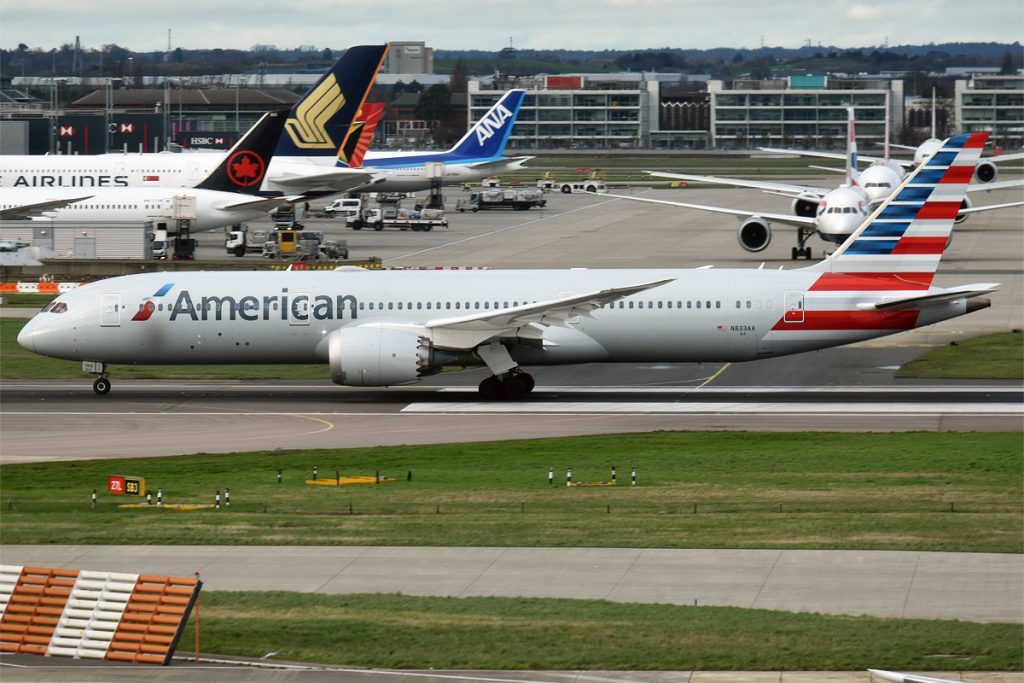
The disruption began on 28 February when, according to Paddle Your Own Kanoo, American Airlines abruptly ended its catering contract with third-party supplier dnata at Heathrow. American has never publicly explained the decision, though food safety concerns at dnata's Heathrow facility were widely reported at the time.
What Happened at Heathrow
With no replacement vendor immediately available, American needed a rapid solution. The airline operates up to 19 flights per day between Heathrow and nine US cities, accounting for nearly a quarter of all seats between Heathrow and the United States, according to Paddle Your Own Kanoo. No Heathrow caterer had the spare capacity to absorb that volume overnight.
The airline's solution was to "double cater" flights from the United States, loading every food, beverage and serviceware item needed for both the outbound and return legs before departure. Aircraft galleys are designed to carry supplies for a single sector, so the workaround left crews working around tightly packed equipment and supplies intended for the homeward journey.
Out of Heathrow, flight attendants found themselves removing trash, repositioning carts and setting up additional catering containers, all tasks that would normally fall to ground catering staff. View from the Wing reported that as late as September, Chicago union representatives were still asking crews to report flights where coordinators had not repositioned equipment, removed trash or prepared the galley consistently.
The dnata Dispute and the Photo That Circulated
A photograph reportedly taken aboard an American flight from Heathrow shortly before the contract ended showed what appeared to be a dead rodent in a business class bread basket. Paddle Your Own Kanoo notes that the authenticity of the photograph was never confirmed. Dnata firmly denied allegations of hygiene problems at its Heathrow operation and said independent audits confirmed compliance, according to View from the Wing.
How the American Airlines Settlement Works
The Association of Professional Flight Attendants (APFA) filed a notice of dispute with American Airlines in April, demanding meaningful additional compensation for crew members working Heathrow flights. In a memo cited by Paddle Your Own Kanoo, APFA stated: "Flight attendants routinely spent significant time addressing catering and galley issues before they could begin their regular duties."
Rather than allow the dispute to run through a lengthy grievance process, the two sides reached an amicable settlement. APFA explained: "APFA and management recognized these difficult conditions and reached this settlement, rather than waiting for a lengthy grievance process to run its course."
The settlement covers all qualifying London trips during three defined periods, regardless of how many minutes a crew member spent working on a particular galley. View from the Wing calculates that a flight attendant who worked five trips in the first period, five in the second and three in the third would receive $1,394.25 in total. The total cost to American is estimated by View from the Wing at between $5 million and $7 million.
There is no standard provision for catering disruptions in the flight attendant contract. The Boston base had filed a grievance in April seeking $10.50 per flight hour in additional compensation, using understaffing pay rates as its benchmark, according to View from the Wing.
How American Replaced dnata
Premium cabin service began improving from March onwards, with upscale caterer DO&CO taking on meals for the premium cabin on routes such as London to Chicago. American signed a permanent contract with DO&CO in May, according to Paddle Your Own Kanoo. Premium pre-orders and special meals returned in late April, and View from the Wing reports that recent London-bound passengers have praised food aboard the Boeing 787-9.
The final hurdle was not food but trucks. DO&CO lacked sufficient catering vehicles to service all of American's Heathrow departures simultaneously. Catering trucks are highly specialised and in short supply globally, meaning the transition back to full local provisioning took months longer than the contract award alone would suggest. By the end of October, DO&CO is expected to have 17 dedicated catering trucks serving American's Heathrow operation, at which point all return flights will be locally catered. The sole exception is bar carts, which American double-caters from the United States across its entire international network.
Boeing 777-200 services had already made the transition to local provisioning. The premium-heavy Boeing 787-9 fleet was scheduled to follow on 14 October, with the full switchover expected by 28 October, as View from the Wing reported. American also plans to keep DO&CO coordinators aboard every Heathrow departure during catering, even after the full transition.
What About Passengers?
Passengers who received reduced service during the disruption faced a separate question over compensation. View from the Wing notes that some readers reported receiving miles during the initial disruption while others said their requests were refused. The crew settlement announced by APFA includes no new compensation for customers.
This episode is a reminder that Heathrow remains one of the most operationally complex hubs American serves. For background on the carrier's transatlantic network, our Philadelphia Airport Guide covers American's other major transatlantic hub in detail.
Readers interested in tracking the airline's wider operations can use our Airline Search tool to explore American Airlines routes and fleet data.
The Bottom Line
A catering crisis that began with the abrupt end of a long-running dnata contract forced American Airlines crews to take on extra ground duties for nearly eight months. The APFA settlement, worth up to $169 per trip for more than 9,500 flight attendants, acknowledges that the workaround stretched well beyond an ordinary operational inconvenience. With DO&CO now contracted permanently and a full fleet of catering trucks expected by late October, the disruption appears close to its end. The question of whether passengers who experienced reduced service will receive further redress remains open.
Continue to follow The Aviation Hub for more analysis and insight.
Advertise with us Your brand, in front of an aviation audience Home page and in-article placements, sold directly, one advertiser per slot. From £250 a year. See the rates