US Airlines Choose Higher Fares Over Full Planes: What It Means
US carriers are flying with empty seats rather than cutting fares, as rising fuel costs force a rethink of how airlines protect profit margins.
 By The Aviation Hub
4 min read
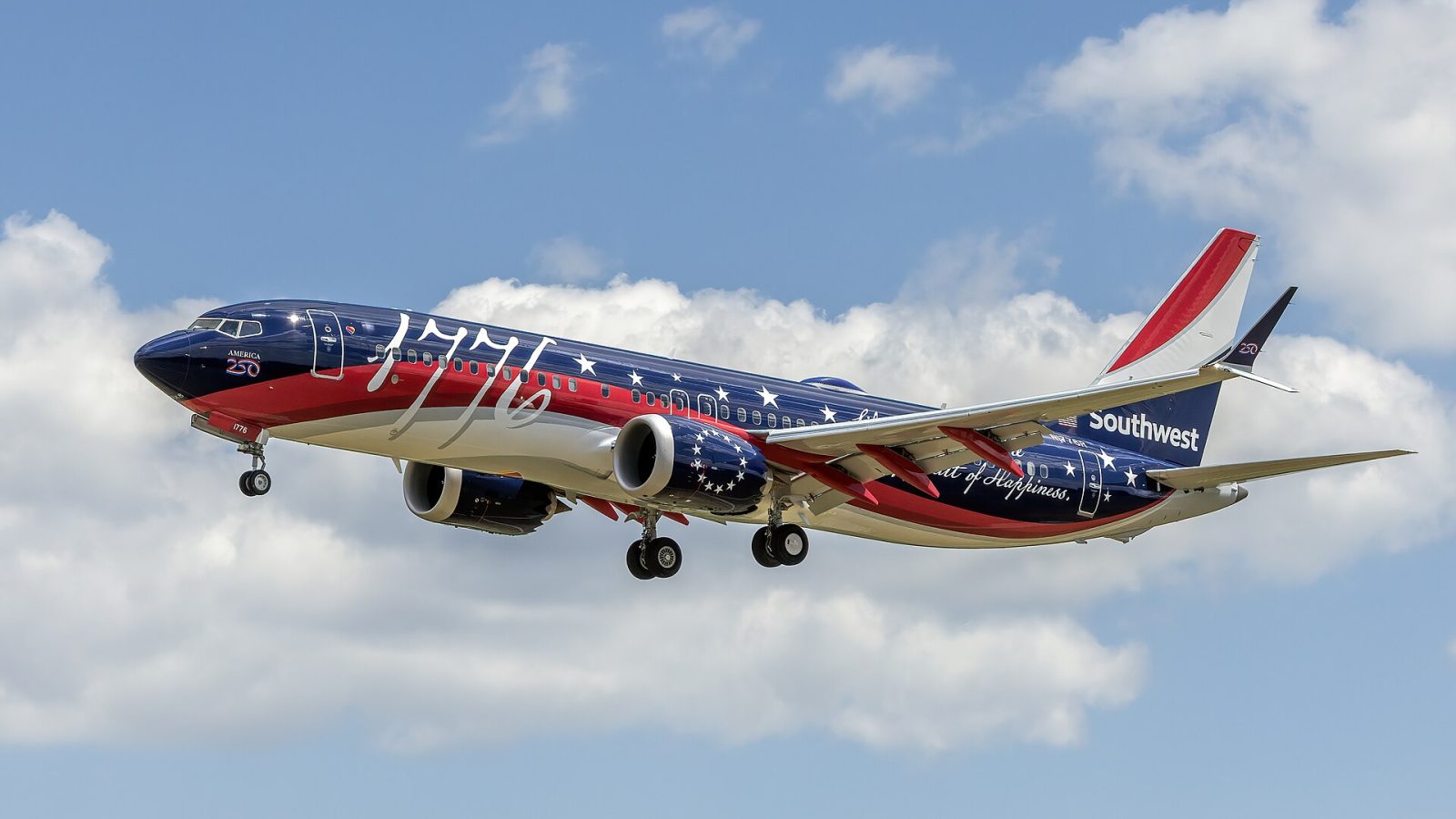
US airlines are increasingly willing to fly with empty seats rather than cut fares to fill them, as rising fuel costs put pressure on profit margins across the industry. Reuters reports that carriers are betting on disciplined pricing and tighter schedules to protect earnings.
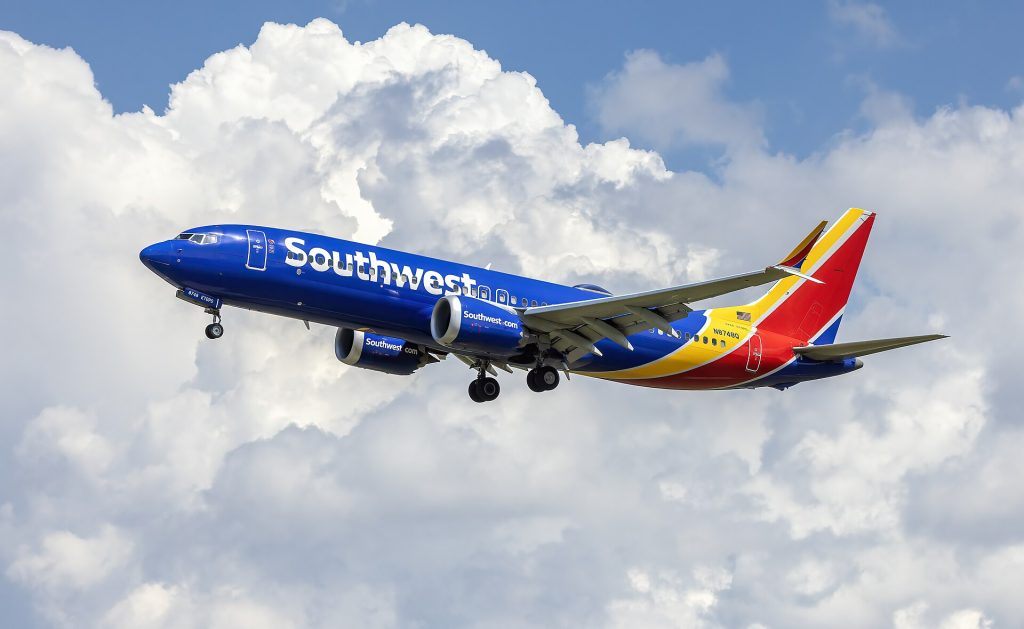
The shift reflects a broader strategic choice: revenue quality over seat occupancy. For Southwest Airlines, that bet appears to be paying off, at least in the short term.
Southwest's Q3 Numbers Tell the Story
Airways Magazine reports that Southwest posted a third-quarter revenue record, with net income of US$270m for the quarter ended 30 September 2026, up sharply from US$54m in the same period a year earlier. Operating revenue rose 21.2% to US$8.4bn, and operating margin reached 4.5%, a four percentage point improvement.
Crucially, that growth came despite a 0.4% decline in capacity measured in available seat miles. Revenue per available seat mile increased 21.6%, meaning Southwest generated more income from each unit of capacity rather than by adding capacity.
That is the pricing discipline in action: fewer seats sold at higher yields, rather than more seats sold cheap.
Fuel Costs Are the Squeeze
The profitability gains are being achieved against a difficult fuel backdrop. Southwest's average fuel cost reached US$3.92 per gallon during the third quarter, above its earlier planning assumption of US$3.70 to US$3.75, according to Airways Magazine. Fuel expense rose by US$821m compared with the third quarter of 2025.
Looking ahead, the pressure intensifies. Southwest is planning for approximately US$4.55 per gallon in the fourth quarter, based on the forward fuel curve as of 15 October. That assumption, not a locked-in price, sets a challenging backdrop for the months ahead.
US Airlines Trim Capacity Growth Back
In response to the cost environment, Southwest has lowered its full-year capacity growth forecast to approximately 1.2%, down from 1.5%. The airline nevertheless expects fourth-quarter capacity to grow 3% to 4% year over year, according to Airways Magazine.
The carrier received 20 Boeing 737-8 aircraft during the quarter and removed 20 aircraft from its fleet, comprising 17 Boeing 737-700s and three Boeing 737-800s. It ended September with 803 aircraft. For the full year, Southwest expects 67 deliveries across the Boeing 737-8 and 737-7 variants, alongside approximately 60 retirements.
Readers wanting to explore Southwest's fleet in more detail can use our Airline Search tool to browse carrier information.
Cabin Changes Add Costs of Their Own
Southwest's commercial transformation is also contributing to cost pressure. The airline introduced assigned seating from 27 January 2026, meaning the third-quarter results fall after that policy took effect. It has also introduced new fare bundles.
The removal of six seats from Boeing 737-700 cabins to accommodate extra-legroom seating is expected to add one percentage point to fourth-quarter unit cost growth, excluding fuel, special items and profit sharing. Southwest forecasts that measure will rise 4% to 4.5%.
New Products and Partnerships on the Horizon
Beyond the immediate financial picture, Southwest is building out longer-term commercial initiatives. The airline plans to open its Southwest Icon Lounge network to guests in 2027 and expects to complete fleetwide installation of Starlink satellite connectivity in autumn 2027.
New airline partnerships with TAP Air Portugal and LOT Polish Airlines have also been announced, alongside expanded Rapid Rewards benefits, corporate booking enhancements through Southwest Business, and the ability to search for flights through ChatGPT.
The Bottom Line
The third-quarter results show that pricing discipline can offset a shrinking capacity base, at least when demand holds firm. Southwest turned a fivefold increase in net income on lower capacity, a result that vindicates the strategy for now.
The harder test comes in the fourth quarter, with fuel assumptions climbing to US$4.55 per gallon. Whether the same pricing power holds as costs rise further will determine whether the wider industry's bet on higher fares over fuller planes continues to pay off. As Reuters notes, that discipline is now a deliberate industry-wide posture, not just a single carrier's choice.
Continue to follow The Aviation Hub for more analysis and insight.
Advertise with us Your brand, in front of an aviation audience Home page and in-article placements, sold directly, one advertiser per slot. From £250 a year. See the rates