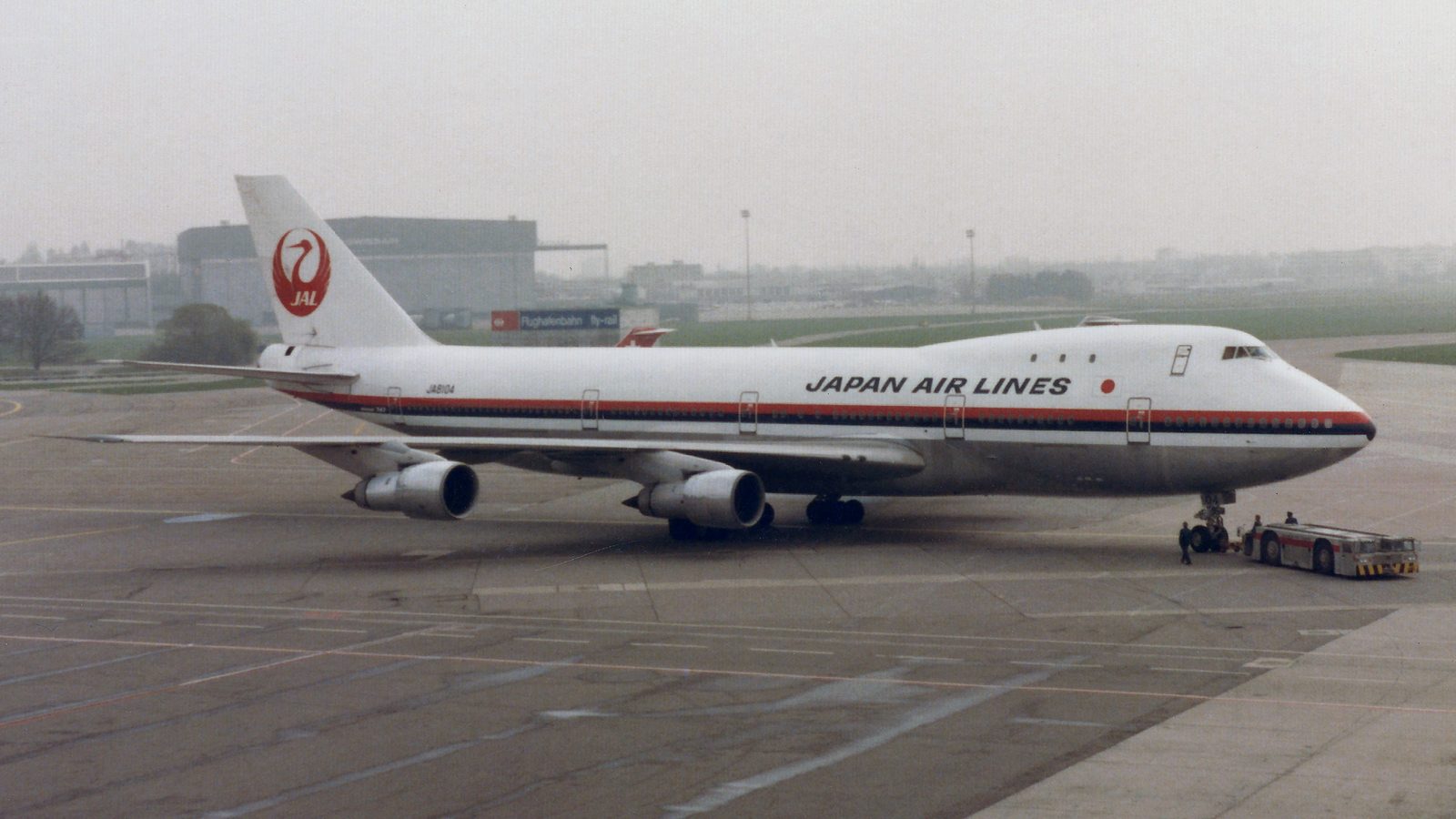
On 25 October 1951, Japan Air Lines launched Japan's first postwar domestic airline service, connecting Tokyo, Osaka and Fukuoka aboard a leased Martin 2-0-2. The airline had existed for fewer than three months and owned neither its aircraft nor its pilots.
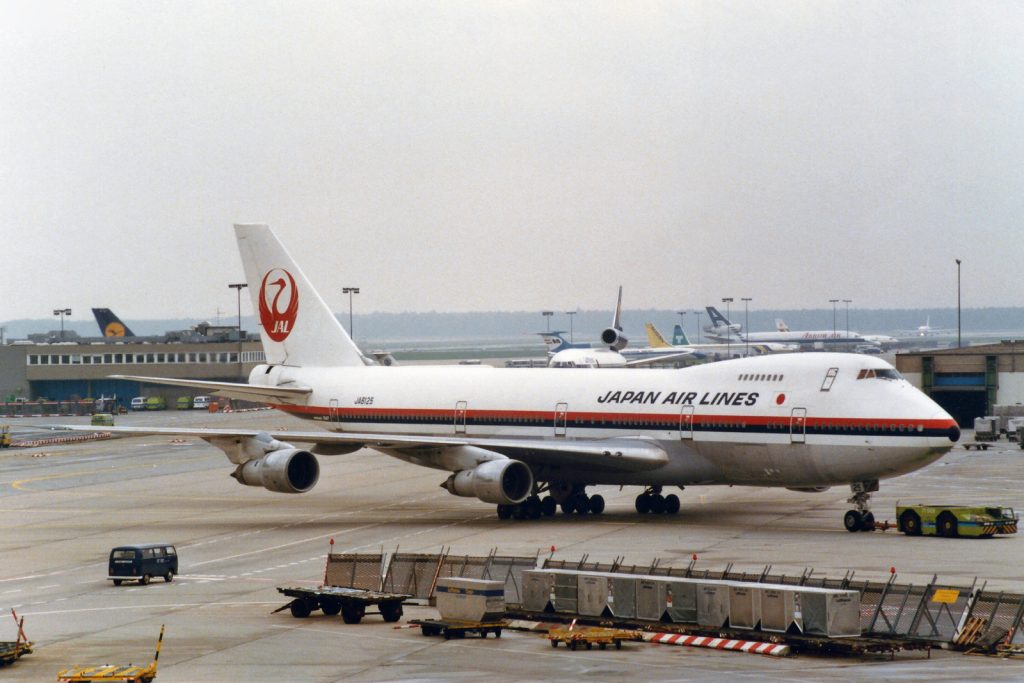
According to Airways Magazine, the route linked Tokyo-Haneda (HND), Osaka-Itami (ITM) and Fukuoka (FUK), which was then known as Itazuke. To make the service possible, JAL entrusted flight operations entirely to Northwest Airlines, with which it had signed an operating contract just two weeks earlier, on 11 October.
How Japan Air Lines Was Founded
Airways Magazine reports that Japan Air Lines was established on 1 August 1951, with capital of ¥100 million and headquarters in Tokyo's Ginza district. That left fewer than three months between the airline's incorporation and the launch of commercial passenger services.
Before the October launch, JAL had already begun testing the concept. A Douglas DC-3 leased from Philippine Airlines was used for invitation flights over three days beginning 27 August 1951, though those flights preceded the start of commercial service.
The Aircraft That Started It All
The workhorse of JAL's inaugural domestic network was the Martin 2-0-2. Airways Magazine notes that JAL's aircraft history records five leased Martin 2-0-2s in service with the airline, each seating 36 passengers. The first aircraft to fly the route was named Mokusei.
The in-flight catering was modest. The first domestic meal service consisted of sandwiches in paper boxes. Readers interested in the Martin 2-0-2 and other types that shaped early commercial aviation can explore further using Aircraft Search.
Northwest Airlines: The Operator Behind the Scenes
JAL's reliance on Northwest Airlines was total in those opening months. Northwest supplied the flight crews and ran operations under the terms of the October contract, while JAL provided the commercial framework and the brand.
This arrangement was a product of circumstance. Japan's postwar aviation industry had to be rebuilt almost from nothing, and the expertise needed to operate scheduled airline services simply did not exist within the new carrier at the point of launch.
Taking Operations In-House
The transition to self-operated flying came exactly one year after the domestic launch. On 25 October 1952, according to Airways Magazine, JAL began operating services itself using three Douglas DC-4s. The Martin 2-0-2s were withdrawn as that transition took place.
The airline's corporate structure was also formalised around this time. The JAL Law was approved on 24 July 1953 and took effect on 1 August 1953. A new Japan Air Lines company was established under it on 1 October 1953.
The First International Steps
International flying began cautiously. Airways Magazine reports that a special Tokyo to Manila flight on 21 December 1952 was operated to repatriate the remains of the Philippine ambassador to Japan. That mission preceded the launch of any scheduled international service.
Scheduled international routes began on 2 February 1954, when a Douglas DC-6B flew from Tokyo to San Francisco via Wake Island and Honolulu. That single Pacific route marked the formal beginning of JAL's international network.
Japan Air Lines at 73 Years
The story of JAL's 1951 launch is one of the more striking examples of an airline built entirely on borrowed resources. No aircraft, no pilots, no catering infrastructure beyond paper sandwich boxes: the airline launched a scheduled domestic network regardless, and within a year was operating its own aircraft.
From those first sandwiches on the Haneda to Itami sector, JAL grew into one of Asia's leading long-haul carriers. The full arc of the airline's history, from that Martin 2-0-2 to its current fleet, is traceable through Airline Search.
The Bottom Line
The 25 October 1951 service was a milestone not just for Japan Air Lines but for Japanese civil aviation as a whole. It demonstrated that scheduled domestic flying could resume in postwar Japan, even if the expertise and equipment had to be borrowed to make it happen.
Within three years, JAL had moved from sandwiches in paper boxes on a domestic hop to a Douglas DC-6B crossing the Pacific. The speed of that transformation remains remarkable seven decades on.
Continue to follow The Aviation Hub for more analysis and insight.
Advertise with us Your brand, in front of an aviation audience Home page and in-article placements, sold directly, one advertiser per slot. From £250 a year. See the rates