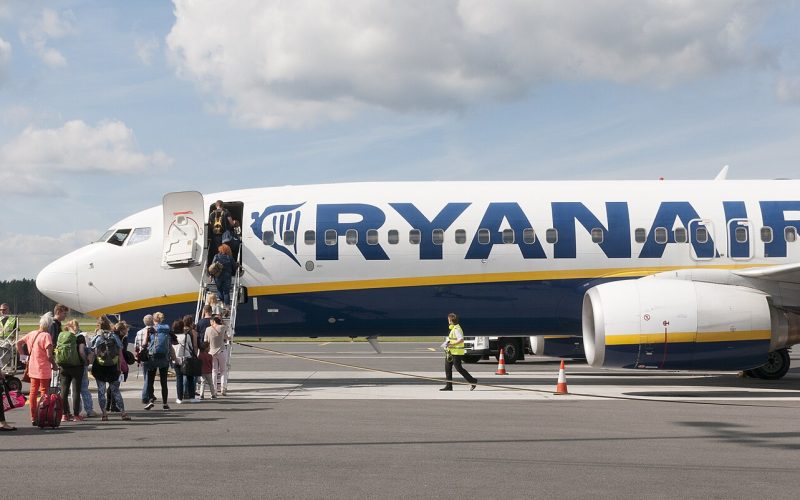
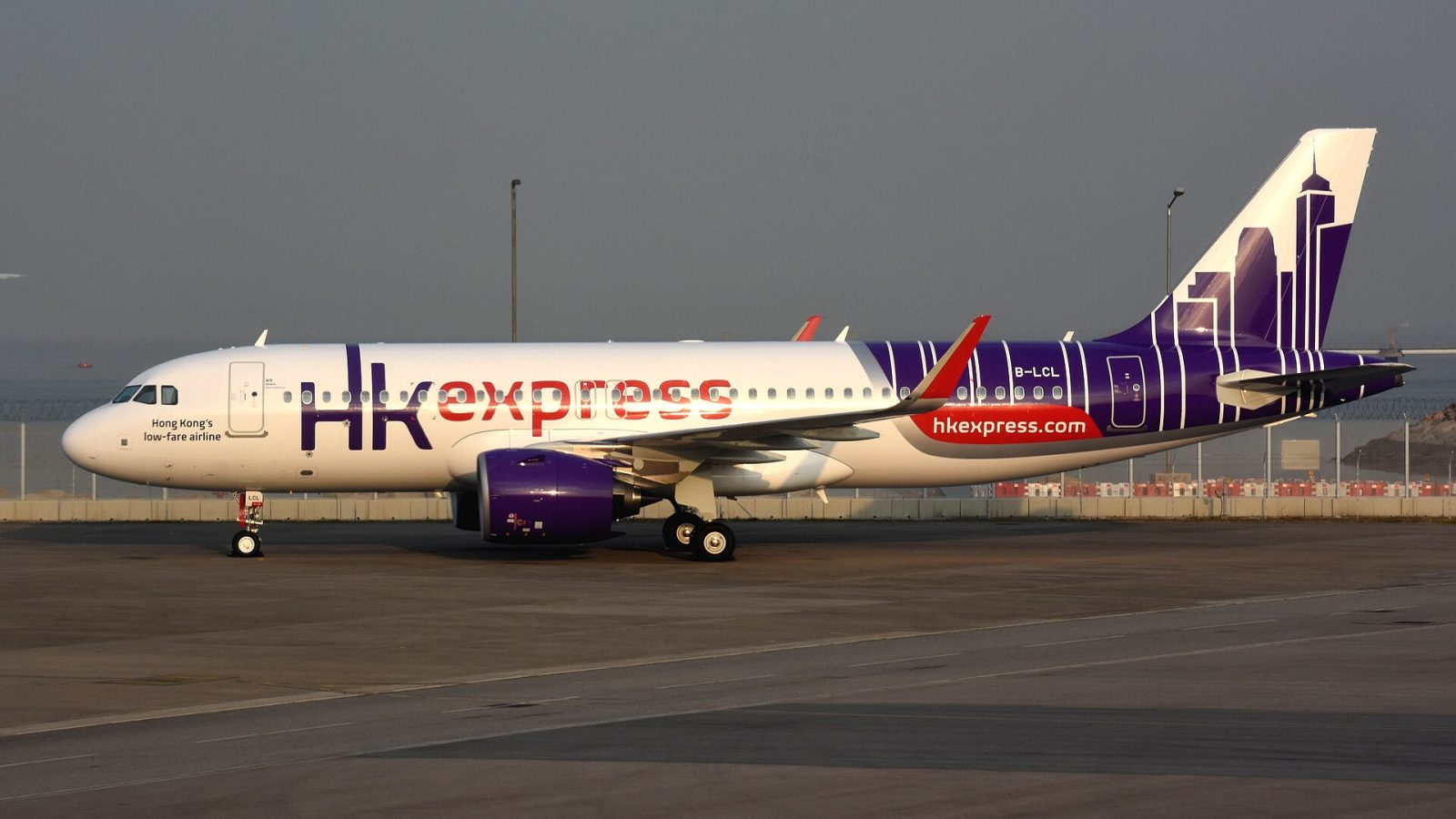
Flight UO676, operated by HK Express, was travelling from Hong Kong International Airport to Jeju International Airport on 25 October 2026 when a power bank began overheating and producing smoke, leaving one passenger injured. The aircraft touched down safely at Jeju at around 6 a.m. local time, with 236 passengers and seven crew members on board.
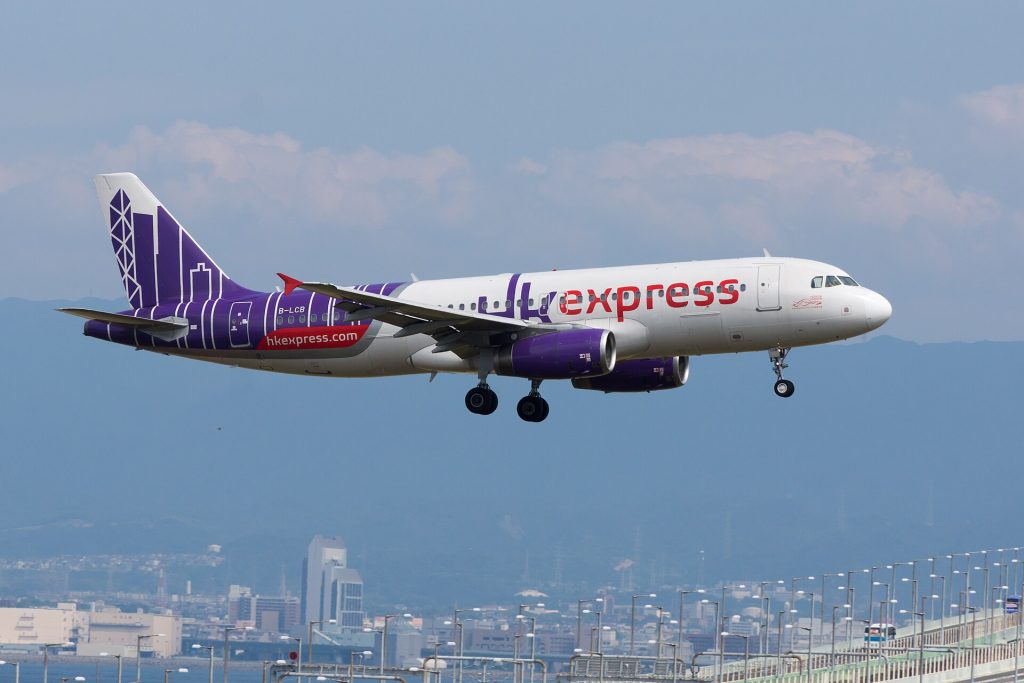
HK Express operates as a budget carrier and is a subsidiary of Cathay Pacific Airways. The event brings renewed scrutiny to the dangers that lithium-ion batteries present in the aircraft cabin, a subject that both regulators and airlines have raised on numerous occasions in recent years.
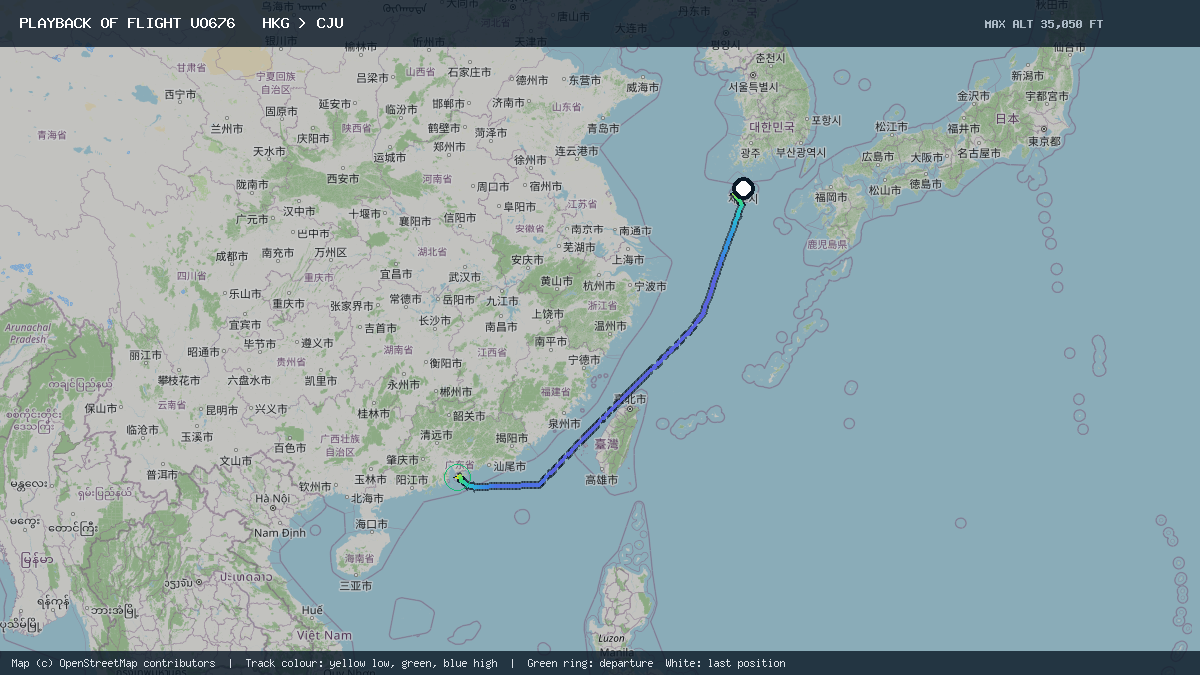
What Happened on HK Express Flight UO676
According to Aviation A2Z, the power bank had been placed inside a passenger's bag under a seat prior to overheating. As the Hong Kong resident, a woman in her fifties, reached into the bag to retrieve the device, she suffered a burn to her left thumb.
Cabin crew responded by placing the device in a heat-resistant fire containment bag and submerging it in water. No other passengers or crew members were reported injured.
The flight continued to its destination and landed safely. After arrival, paramedics examined the injured passenger at the scene. She declined ambulance transport and chose instead to seek medical treatment independently.
The Device and Its Origin
Aviation A2Z reports that South Korean media indicated the power bank was manufactured locally. No further details about the device's condition or specification appear in the available information.
HK Express apologised for the incident.
What the Airline's Rules Say
HK Express sets specific conditions for how passengers may carry and use power banks. Under the airline's rules, batteries must be kept in cabin baggage stored beneath the seat or in seatback pockets. Storing them in overhead compartments is prohibited, as is charging power banks using in-seat power supplies during flight.
In this case, the passenger had followed the storage requirement by keeping the device in a bag beneath the seat. The overheating occurred without any reported charging activity.
This incident is a reminder that compliance with placement rules does not eliminate the risk that a faulty or degraded lithium-ion cell poses. Cabin crew training for exactly this kind of thermal event, including the use of containment bags and water immersion, is now standard practice on many carriers. The crew's response here followed that procedure.
Why This Matters for Passengers
Power banks are among the most common items in a traveller's carry-on luggage, and incidents involving them have grown alongside their widespread adoption. Airlines and regulators restrict them to the cabin precisely because a fire in the hold cannot be tackled directly by crew.
The rules HK Express applies reflect broader guidance from aviation authorities: keep the battery where crew can see it and reach it quickly. The outcome here, a contained device, no structural damage and only one minor injury among 243 people on board, illustrates how quickly a cabin crew response can limit harm when the correct equipment is available.
You can find details on HK Express and other carriers using our Airline Search tool.
The Bottom Line
Flight UO676 landed without further incident and the injury sustained was minor, but the event underlines a risk that sits in the bags of a large proportion of passengers on any given flight. The crew's use of a fire containment bag and water immersion kept a potentially serious situation under control.
Track this and other aviation incidents through our Squawk 7700 hub, where we maintain a live emergency board and incident archive. We will update our coverage if HK Express or the relevant authorities release further information about the incident.
Continue to follow The Aviation Hub for more analysis and insight.
Advertise with us Your brand, in front of an aviation audience Home page and in-article placements, sold directly, one advertiser per slot. From £250 a year. See the rates