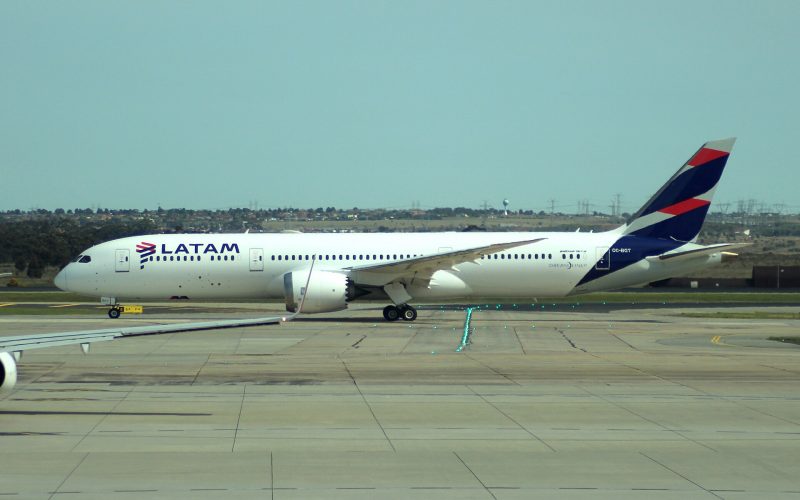
The IATA 2026 Passenger Survey, published on 28 October, points to two forces reshaping how people experience air travel: a rapid expansion of biometric processing at airports, and a growing belief among passengers that immigration rules are costing the industry bookings. The survey drew on more than 10,000 responses from over 200 countries.
Overall satisfaction with air travel held firm, with 87% of respondents telling IATA they were happy with their experience. European passengers were the least satisfied of any region, recording 84%. That headline figure, though broadly positive, sits alongside sharper findings about friction in the journey, particularly at borders.
Biometrics: Rapid Growth, Persistent Caution
Biometric identification is the standout story in this year's survey. Usage has climbed sharply: IATA found that 58% of passengers had used biometric identification in the previous 12 months, a considerable jump from 50% in 2025 and 34% in 2022. Satisfaction among those who have tried the technology is high, with 87% of passengers who went through biometric processing reporting a positive experience, and that enthusiasm feeds directly into broader appetite: 78% of all respondents said they would willingly share biometric data so that repeated document checks at different touchpoints could be eliminated.
Regional experience with the technology varies considerably. North America led the field, with 63% of passengers there having gone through biometric processing, while Europe trailed well behind: just 47% of European respondents had encountered biometric identification, against a global average of 58%. That lower exposure appears to dampen enthusiasm, which may account for why only 70% of European passengers backed the use of biometrics across airport processes, a figure that trails the 78% recorded globally.
Alongside the enthusiasm, there are genuine reservations that the industry cannot afford to ignore. Data breaches ranked as the foremost concern, with 59% of respondents naming them as a worry. A further 49% expressed unease about personal data being passed to third-party organisations, while 41% were troubled by a lack of clarity over how their information would be used. These are substantive concerns, and continued expansion of biometric rollout will hinge on how effectively the industry makes the case for robust data protection.
You can explore which airlines and airports are investing in passenger technology using our Airline Search.
Immigration Complexity Is Turning Passengers Away
One of the most striking commercial findings in the survey is the steep rise in passengers who have been put off visiting a destination because of entry requirements. IATA reports that 43% of respondents said immigration requirements had discouraged them from travelling to a particular destination, up from 33% in 2025. A ten-percentage-point increase within a single year is not the kind of movement that can reasonably be put down to statistical variation.
The burden is not felt equally around the world. Africa registered the highest proportion of deterred travellers at 52%, with Asia-Pacific close behind at 49%. European passengers came in below the global average at 38%, and North America returned the lowest figure of any region at 35%.
When those deterred passengers were asked what specifically put them off, complexity came out on top, named by 53% as their principal concern. Aerospace Global News reports that within the same group, 17% each pointed to privacy and cost as barriers. There are grounds for optimism here: over 100 countries have already introduced electronic visa systems, and passenger preference is firmly behind digital channels, with roughly 60% saying they favour applying for visas online against just 25% who would rather attend an embassy or consulate in person.
Passenger willingness to engage with digital border processes is growing. 86% of respondents indicated they would be prepared to submit immigration information electronically ahead of travel, up from 83% in 2025. Meanwhile, 45% said they would rather have immigration formalities wrapped up entirely before they set foot in an airport, against 41% the previous year. That strong backing for a pre-travel digital pathway gives both governments and airports a clear mandate to accelerate reform, a point underscored by the finding that 84% of respondents said they would like to use a digital passport for online check-in.
Regional Contrasts: Europe Trails, Middle East Leads
Regional differences run through almost every metric in the survey, and they are worth examining in their own right rather than treating the global averages as the whole story.
The Middle East stood apart when it came to digital enthusiasm. IATA found that the region led globally on AI adoption for travel planning at 72%, and also recorded the highest appetite for digital passports at 91%. Both readings sit well above the respective global averages, pointing to a passenger base that is not merely open to digital solutions but is actively seeking them out.
Europe, by contrast, consistently fell below those averages. Only 35% of European respondents had used AI for travel planning, against a global figure of 49%. European support for biometrics was lower, actual biometric experience was lower, and satisfaction was the lowest of any region. None of this necessarily reflects poorly on European carriers or airports in isolation. Infrastructure investment, regulatory environment and passenger demographics all play a role, but the gap is one the region's aviation industry will want to close.
AI in the Mix
AI's role in travel planning is becoming hard to overlook. Across the full survey sample, 49% of respondents said they had turned to AI when organising their travel. The precise tasks passengers are applying it to are not broken down in the survey data, but the headline figure alone points to a meaningful change in how people research and book their trips.
The Middle East's 72% adoption and Europe's 35% represent the extremes, and the spread suggests that AI use in travel planning is still at a formative stage globally rather than uniformly embedded. Whether adoption accelerates will depend on how useful passengers find the tools in practice, which is something the 2027 edition of this survey will be well placed to test.
The IATA 2026 Passenger Survey Bottom Line
The IATA 2026 Global Passenger Survey sets out a clear direction. Passengers are broadly satisfied with flying but increasingly frustrated by borders, and they are willing to hand over biometric and digital data if it means a smoother journey. The industry's task is to meet that willingness with infrastructure and data-handling standards that justify the trust being offered.
The ten-point jump in passengers deterred by immigration complexity is the number that should concern governments most. Visa simplification and pre-departure digital processing are the tools most passengers say they want. The demand is evidently there.
This article draws on information from Iata and reporting by Aerospace Global News.
Continue to follow The Aviation Hub for more analysis and insight.
Advertise with us Your brand, in front of an aviation audience Home page and in-article placements, sold directly, one advertiser per slot. From £250 a year. See the rates