Two competing low-cost carriers, two different views on Starlink. easyJet says yes and Ryanair says no.
Europe’s two biggest low cost airlines looked at the same satellites and reached opposite answers. The difference has less to do with technology than with who carries the risk.
Michael O’Leary had plenty to talk about on Monday. Ryanair’s half year profit fell 15% to €2.15bn, its fuel bill for the year to March 2028 is set to rise by roughly €2bn, and the airline is reviewing almost every cost it has. Yet the conversation still found its way back to Starlink.
His answer has not moved since January. Ryanair does not believe its passengers would pay for onboard Wi-Fi, and O’Leary told FlightGlobal the SpaceX system “simply will not pay for its costs”.
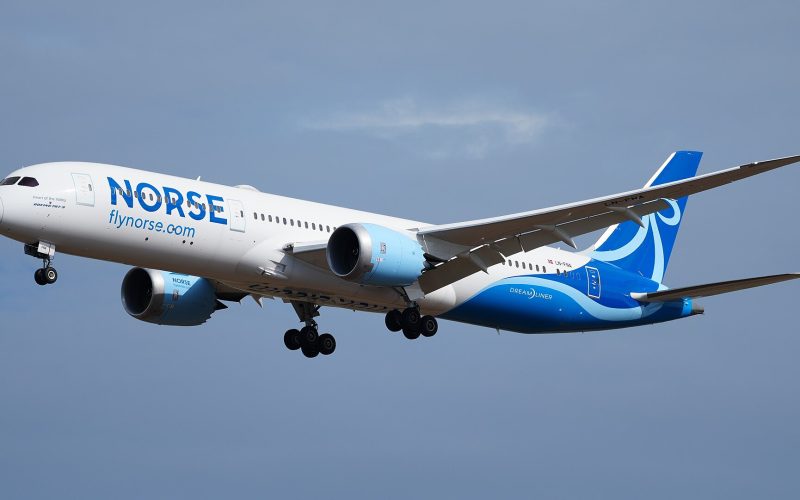
A week ago that would have been an unremarkable restatement. It no longer is. On 26 October, easyJet confirmed it will fit Starlink across its A320, A320neo and A321neo fleet from the first half of 2027, with the work finished by early 2028. In January, easyJet chief executive Kenton Jarvis told Reuters that “the economics aren’t quite working for us”.
Same satellites. Same short sectors. Same price conscious customers. Two opposite conclusions. The question worth asking is what changed at easyJet, and why it has not changed at Ryanair.
The Numbers Behind Ryanair’s No
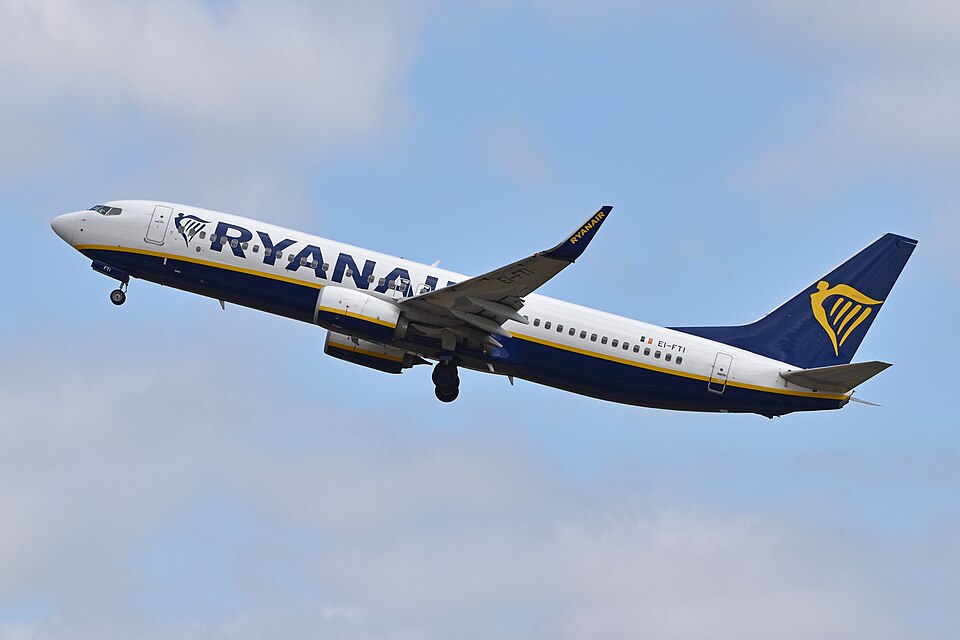
O’Leary’s case rests on two claims. The first is cost. At the height of his public row with Elon Musk in January, he put the bill for Starlink at up to $250m a year once extra fuel is included. The second is demand. Ryanair reckons fewer than one passenger in ten would pay for access, while Starlink believes nine in ten would.
The fuel argument is where the two sides disagree most. O’Leary has cited a 2% fuel penalty from the antenna. Michael Nicolls, who runs Starlink engineering at SpaceX, said that figure belongs to older terminals and put the penalty from the current design at about 0.3% on a 737-800, the type that makes up most of Ryanair’s fleet.
That gap matters more than it sounds. Ryanair spent €3.4bn on fuel and oil in the six months to September alone. By our own calculation, SpaceX’s figure would add about €10m to a bill of that size. O’Leary’s would add almost €70m. Over a full year, the gap between the two estimates is worth something like €100m.
The timing sharpens the argument. The fifth of its fuel that Ryanair leaves unhedged roughly doubled in price to about $130 a barrel, and the airline has hedged only a quarter of next year’s requirement. Every kilogram and every bit of drag costs more when fuel is this expensive. An airline that is openly discussing temporary pay freezes is not about to add a new running cost to the roof of more than 600 jets.
Ancillary revenue tells the rest of the story. Ryanair earned €24.50 per passenger from extras in the half, flat on a year earlier. This is a business that knows precisely what its customers will pay for. It has concluded that Wi-Fi on a flight averaging around an hour and a quarter is not one of those things.
Starlink: What Changed at easyJet
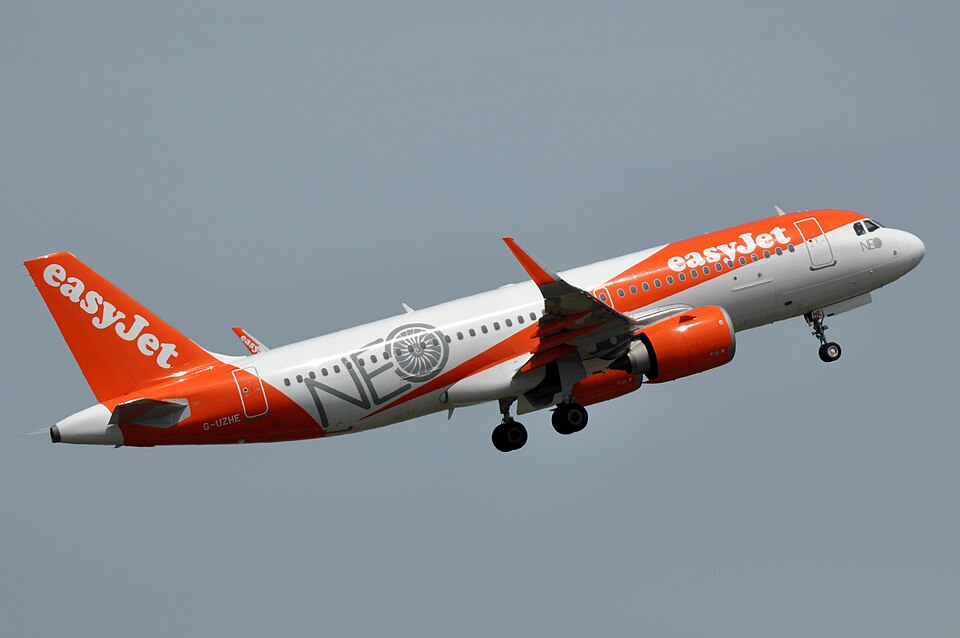
easyJet faced the same arithmetic in January. Two things have shifted since.
The first is the commercial model. easyJet has not said what passengers will pay. It told Business Traveller that access will be “entirely optional”, that Starlink will manage it, and that pricing will follow once the first aircraft are fitted. Business Traveller reports that a managed service arrangement is emerging for some low cost carriers, a step away from Starlink’s earlier insistence that airlines offer the service free.
That changes who carries the risk. O’Leary’s central objection is that passengers will not pay. Under a managed model, the question of whether they pay, and how much, moves at least partly onto Starlink’s side of the table. easyJet has not disclosed its terms, so the exact split is unknown. But airlines rarely reverse a position within nine months unless the deal on offer has moved.
The second is ownership. Apollo agreed a £5.7bn takeover of easyJet in August at 715p a share, although the deal still needs regulatory clearance in several countries. easyJet was already moving upmarket, with a loyalty scheme due in its 2027 financial year and a sharper focus on business travel. A new owner paying that price will want every reason it can find for customers to choose easyJet and keep coming back. Fast Wi-Fi fits that story neatly.
easyJet’s network makes the case easier too. It carried 100 million passengers in 2025 across more than 160 airports, many of them the primary airports that business travellers actually use. That is a different customer mix from Ryanair’s, and it supports a different answer.
Ryanair’s Rivals Are Moving Without It
The bigger shift is happening around Ryanair rather than inside it. According to CAPA figures cited by Simple Flying, only 21% of Europe’s short and medium haul jets offered any internet access in January. That number is about to climb quickly.
Wizz Air will start fitting Starlink in 2027, with new generation aircraft delivered already equipped. IAG’s Starlink agreement covers Aer Lingus and Vueling alongside British Airways and Iberia, putting connected aircraft against Ryanair in Dublin and across Spain. The Lufthansa Group deal spans more than 850 aircraft, Eurowings included. airBaltic already offers it free across its A220 fleet.
By 2028, a Ryanair passenger on many routes will be choosing between a cheaper seat with no connection and a slightly dearer one with fast Wi-Fi. Ryanair’s bet is that most will still take the cheaper seat. On leisure routes, that bet will probably pay. On the routes where Ryanair competes for business travellers, it looks less certain.
Not Everyone Is Choosing Starlink
The market is also more competitive than the Musk and O’Leary row suggested. On the same day as Ryanair’s results, FlightGlobal reported that Finnair will fit SES satellite Wi-Fi to 18 incoming Embraer E195-E2s, while Air Astana is installing the same system on its A321LRs. It uses an electronically steered antenna that works with both low Earth orbit and geostationary satellites.
That competition is O’Leary’s leverage. In January he said Ryanair was still talking to Starlink, Amazon and Vodafone, and he has said Ryanair will only add connectivity if it lowers costs. He also predicted that free Wi-Fi will be standard across airlines within five years. O’Leary is not against connectivity. He is against paying for it now, while the price is still falling.
The Cost of Waiting
Waiting carries its own price. Ryanair takes its first Boeing 737 MAX 10 in late January and expects 16 by the end of April. With its stance unchanged, those aircraft look set to arrive unconnected. If Ryanair later changes its mind, every one of them becomes a retrofit, with the downtime that comes with it. Wizz Air sidesteps that on new deliveries by having the system fitted before the aircraft arrive.
There is a reputational ledger too. O’Leary reckons the Musk row earned Ryanair $30m to $40m of free publicity. That is a clever return on a refusal. It will be harder to repeat once easyJet passengers are streaming at 37,000 feet and posting about it.
The Bottom Line
Both airlines can be right. easyJet sells convenience to a customer base that includes business travellers at primary airports, under an incoming owner that wants growth, and it appears to have found terms that leave Starlink sharing the risk. Ryanair sells the lowest fare in Europe, faces a fuel bill rising by about €2bn, and treats every new cost as a threat to that position.
The real test arrives in 2027, when the first easyJet aircraft go live and uptake figures start to emerge. If they land closer to O’Leary’s one in ten than Starlink’s nine in ten, Ryanair will have saved itself a costly distraction. If they do not, Ryanair will face a question it cannot answer with a press conference.
Continue to follow The Aviation Hub for more analysis and insight.
Advertise with us Your brand, in front of an aviation audience Home page and in-article placements, sold directly, one advertiser per slot. From £250 a year. See the rates