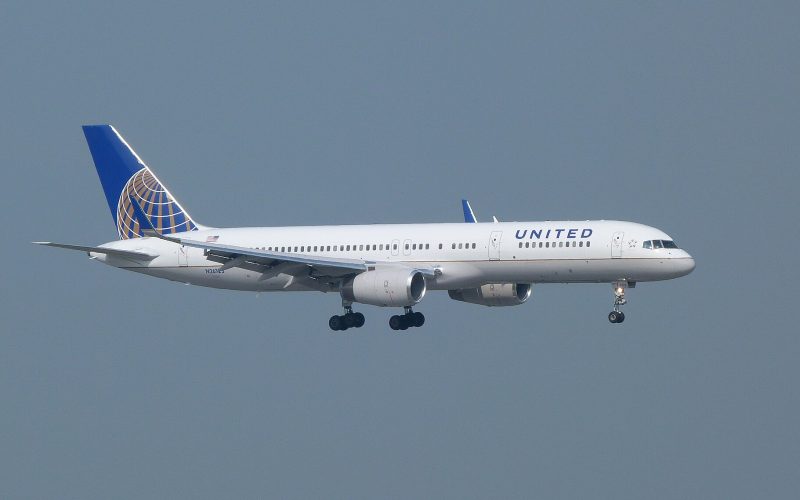
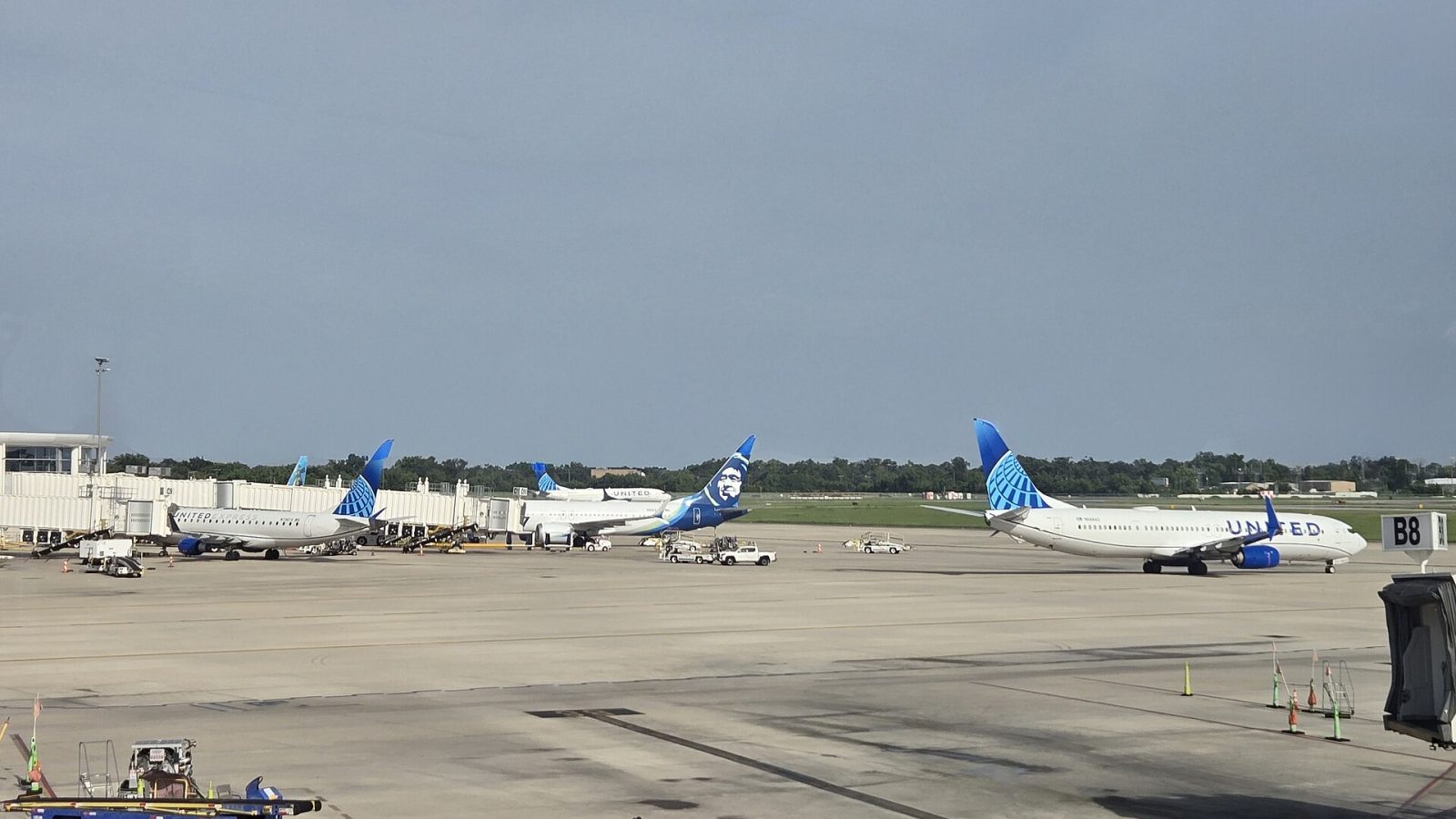
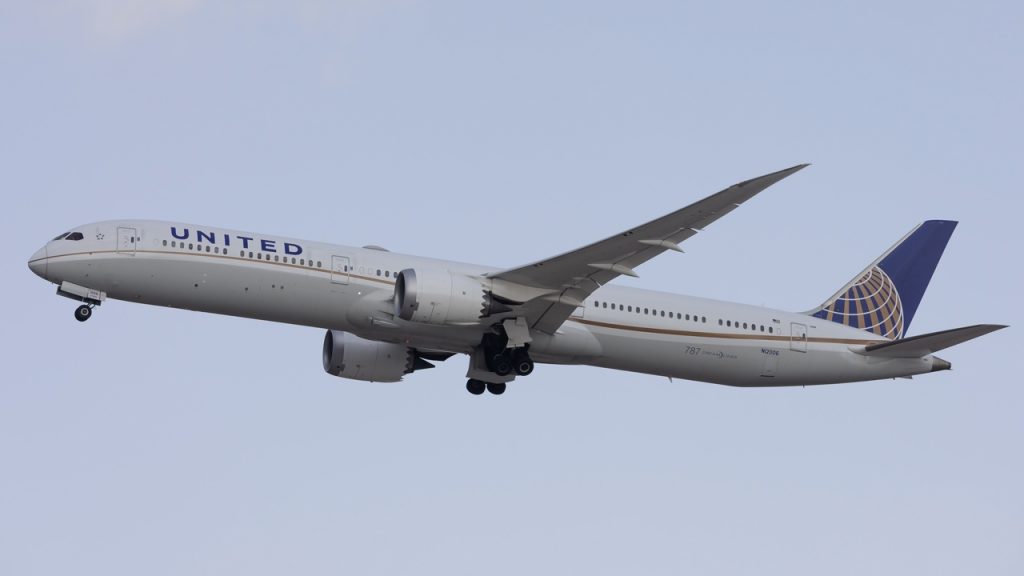
Scott Kirby, chief executive of United Airlines, has said publicly that the Boom Overture supersonic airliner will not reach commercial service in 2029, the date Boom Supersonic has long advertised. His remarks add the voice of one of the programme's closest airline partners to a growing body of scepticism about the project's timeline.
What Kirby Said
Kirby made the comments on the Office Hours: Business Edition podcast, according to both Air Data News and AeroTime. "It's not going to happen in '29 — it's going to take longer," he said, before adding, "They've got a lot of hurdles to overcome." The interview is a notable moment: United holds a purchase agreement for Overture aircraft, so Kirby's candour carries real weight.
Kirby has been voicing scepticism for some time. According to Air Data News, he put the odds of Overture ever entering commercial service at 50-50 as far back as March 2026. The podcast published on 28 October 2026 and covered by AeroTime represents a shift in tone: where there was once uncertainty, there is now a firm assertion that the 2029 target will not be met.
How the Boom Overture Timeline Has Shifted
Boom's public schedule has slipped more than once. In 2021, the company projected an Overture rollout in 2025, first flight in 2026 and the start of passenger service in 2029, according to Air Data News and AeroTime. None of those milestones has been met.
Context around the engine programme is equally telling. Air Data News reports that Rolls-Royce had already walked away from its partnership with Boom before Symphony was announced in 2022. At the December 2022 unveiling of Symphony, Boom set out a schedule under which manufacturing would get under way in 2024, with the engine rolling out in 2026, taking to the air in 2027 and receiving certification in 2029, as Air Data News noted. None of those milestones has been reached on time.
The Overture aircraft itself is designed to cruise at Mach 1.7, seat between 60 and 80 passengers and fly 4,250 nautical miles, according to AeroTime. United's purchase agreement, struck in June 2021 for 15 aircraft plus options on a further 35, will only become binding if Overture satisfies the airline's safety, operating and sustainability requirements, as both outlets confirm.
For those tracking Boom's progress, our Manufacturer Search tool is a useful starting point.
What Boom Is Actually Building
The most tangible progress Boom has made recently concerns its engine work. According to Air Data News and AeroTime, the company has finished building Sprint Core, its first experimental turbine core, which brings together a compressor, combustor and high-pressure turbine in a single unit. The technologies developed through Sprint Core are intended to feed into both the Symphony engine destined for Overture and a second product, known as Superpower.
Superpower is designed as a 42-megawatt gas turbine whose purpose is to generate electricity for artificial intelligence data centres, as both sources confirm. Boom is aiming to make the first Superpower deliveries to customers in mid-2027, scaling output to 25 units per year by 2028 and then to 50 units per year in 2029, according to Air Data News and AeroTime. Sprint Core is scheduled to fire for the first time before the close of November 2026, both outlets report.
In October 2026 Boom also unveiled a turbine manufacturing campus of nearly 200,000 square feet in Centennial, Colorado, according to Air Data News and AeroTime. The campus is intended to support both programmes.
The Order Book and Its Conditions
Boom's published order book totals 130 orders and pre-orders, with United, American Airlines and Japan Airlines among the carriers involved, AeroTime reports. Each of those commitments carries conditions that must first be satisfied. In United's case, the deal obligates the carrier to take delivery only if Overture clears defined safety, operating and sustainability thresholds, as Air Data News and AeroTime both make clear. The headline figures are therefore no guarantee that a single Overture will ever be handed over to an airline.
The Bottom Line
Boom Overture is still, at its core, a development-stage aircraft with an engine that has not yet fired and a timeline that its own best-placed customer now says will overrun by an unstated margin. Kirby's remarks do not end the programme, but they do reset expectations in a way that Boom's own announcements have not.
The Superpower turbine project is an interesting hedge: if Sprint Core technology proves out in the data-centre market, Boom acquires manufacturing credibility and a revenue stream independent of Overture's fate. Whether that is enough to carry the programme through the hurdles Kirby describes is a question the next round of engine tests will begin to answer.
The milestone to watch is Sprint Core's first firing, due before the end of November 2026. If that runs to schedule, Boom will have at least one concrete data point to set against the gathering scepticism from the airline community.
This article draws on reporting by Air Data News and AeroTime.
Continue to follow The Aviation Hub for more analysis and insight.
Advertise with us Your brand, in front of an aviation audience Home page and in-article placements, sold directly, one advertiser per slot. From £250 a year. See the rates