Dubai International Overtakes Atlanta as the World’s Busiest Airport
 By The Aviation Hub
4 min read
By The Aviation Hub
4 min read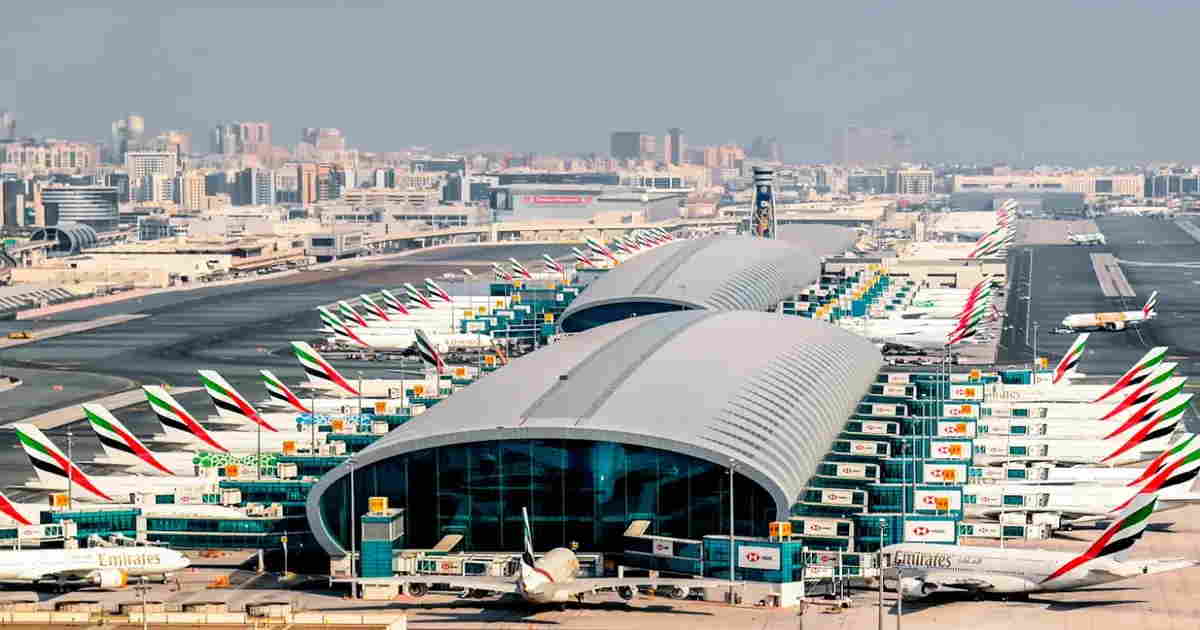
Dubai International Airport (DXB) has officially claimed the title of the world’s busiest airport by scheduled seat capacity, overtaking Hartsfield–Jackson Atlanta International Airport (ATL) for the first time in modern aviation history.
According to fresh OAG data, DXB handled 5.5 million seats in January 2026, surpassing Atlanta’s 4.9 million during the same period.
It’s a symbolic and strategic shift—one that reflects not only Dubai’s meteoric rise as a global aviation powerhouse but also the evolving dynamics of international air travel.
This milestone marks a decisive moment for the Middle East’s aviation hub, which has long been among the world’s busiest for international traffic.
But surpassing Atlanta—an airport that has dominated global rankings for decades thanks to its vast domestic network—signals a deeper transformation in how and where the world travels.
Dubai: Creating A Shift in the Global Aviation Landscape
For years, Atlanta’s dominance was almost untouchable. Its role as a major domestic connector in the United States, combined with Delta Air Lines’ extensive hub operations, kept it firmly at the top of global rankings. But the aviation world is changing.
Dubai’s ascent is powered by three core forces:
1. A Surge in International Demand
DXB’s growth is anchored in its role as a global crossroads. With Emirates’ expansive long-haul network and Dubai’s position as a major tourism and business destination, the airport has become a natural transit point between East and West. OAG’s January 2026 data shows a 4% year-on-year increase in airline capacity, underscoring sustained demand.
2. Strategic Network Expansion
Emirates and flydubai continue to widen their reach, adding frequencies and new destinations across Asia, Africa, and Europe. This network strategy—built on high-capacity widebodies and efficient connectivity—has allowed DXB to capture flows that once passed through European hubs.
3. Dubai’s Global Brand Power
Dubai’s tourism engine is running at full throttle. With record visitor numbers, major events, and a reputation for seamless travel experiences, the city has become a magnet for both leisure and business travellers. The airport’s performance is a direct reflection of the city’s broader economic momentum.
What This Means for Airlines and Passengers
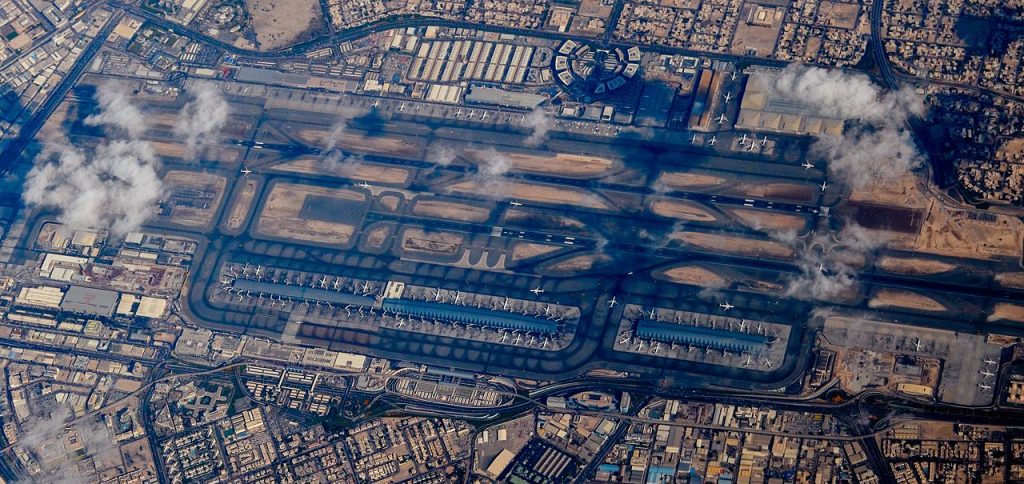
DXB’s rise to the top is more than a headline—it’s a signal of shifting passenger behaviour and airline strategy.
A Hub Built for Global Connectivity
Unlike Atlanta, where domestic traffic dominates, Dubai thrives on international flows. This means more long-haul options, higher aircraft utilisation, stronger transit connectivity, and a wider mix of global carriers.
The Middle East’s Growing Influence
Dubai’s achievement reinforces the region’s expanding role in global aviation. With Doha and Istanbul also climbing global rankings, the centre of gravity for long-haul travel continues to move eastward.
Competitive Pressure on Legacy Hubs
European and North American hubs now face renewed pressure to modernise, expand capacity, and streamline operations. DXB’s efficiency and scale set a high bar—one that older infrastructure struggles to match.
The Numbers Behind the Milestone
A quick snapshot of the January 2026 global rankings:
| Rank | Airport | Scheduled Seats (Jan 2026) | Notes |
| 1 | Dubai International (DXB) | 5.5 million | Now world’s busiest by seat capacity |
| 2 | Hartsfield–Jackson Atlanta (ATL) | 4.9 million | Long-time global leader |
What Comes Next for Dubai?
Dubai is not slowing down. With the long-term plan to transition major operations to Al Maktoum International Airport (DWC)—envisioned to be the world’s largest airport by capacity—the emirate is preparing for an even more ambitious future.
Key developments to watch include continued Emirates fleet expansion, infrastructure upgrades, growth in premium and ultra-long-haul markets, and increased competition with Doha and Istanbul for global transfer traffic.
A Defining Moment for Global Aviation
Dubai International’s rise to the top of global seat capacity rankings is more than a statistical victory.
It’s a reflection of shifting travel patterns, strategic airline growth, and the increasing importance of global connectivity over domestic dominance.
For the aviation industry, this moment underscores a new reality: the world’s busiest airport is no longer defined by domestic scale, but by global reach.
Continue to follow The Aviation Hub for more analysis and insight!
Advertise with us Your brand, in front of an aviation audience Home page and in-article placements, sold directly, one advertiser per slot. From £250 a year. See the rates