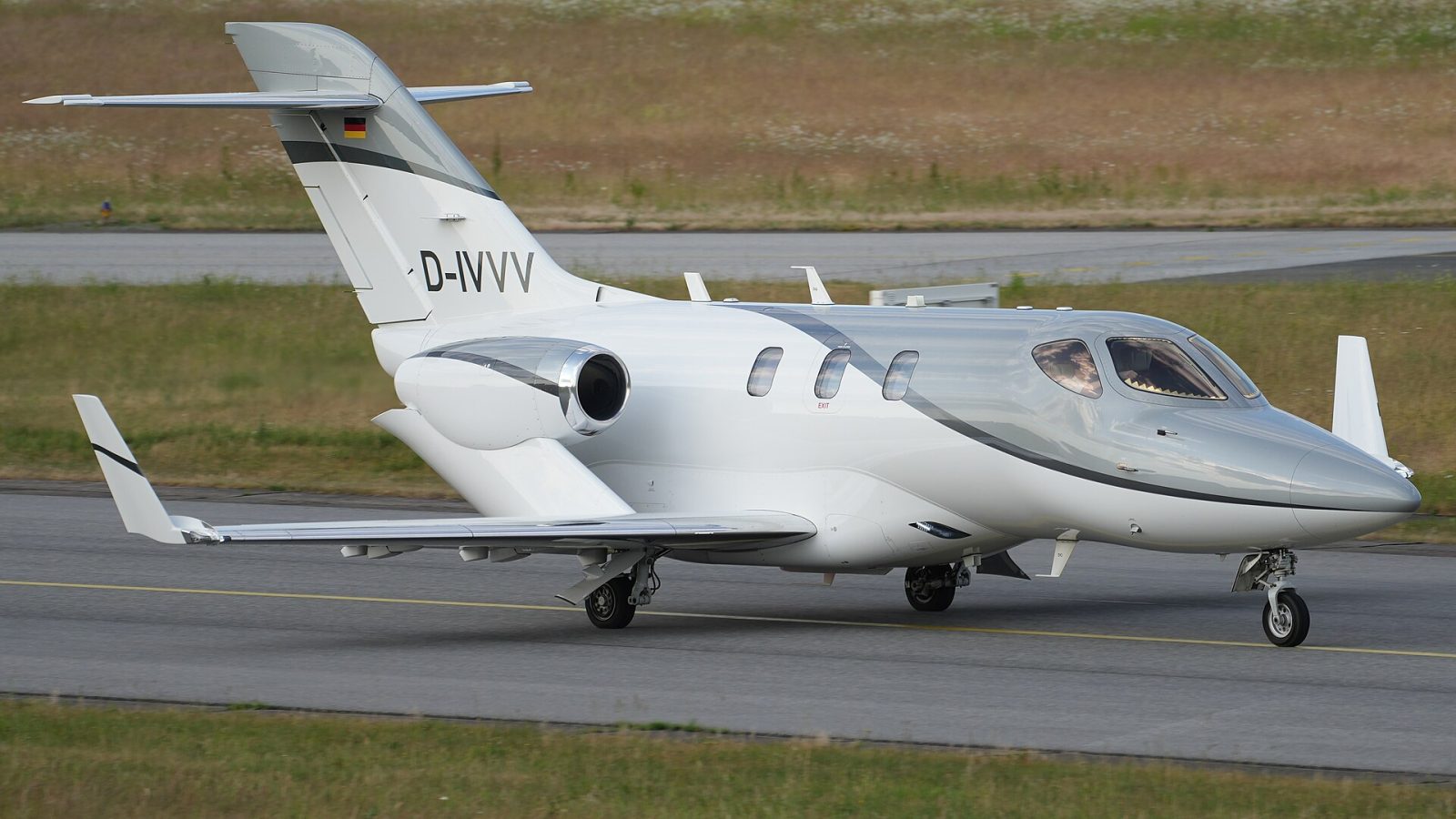
The US Air Force has begun using the HondaJet BSTAR programme, flying HA-420 aircraft under a contractor-operated arrangement, to increase the annual flight hours available to B-1B Lancer pilots, with the first training sortie taking place on 2 November at Abilene Regional Airport in Texas. The programme is called Bomber Supplemental Trainer for Aircrew Readiness, known by the acronym BSTAR, and is reported by both AVweb and The Aviationist.
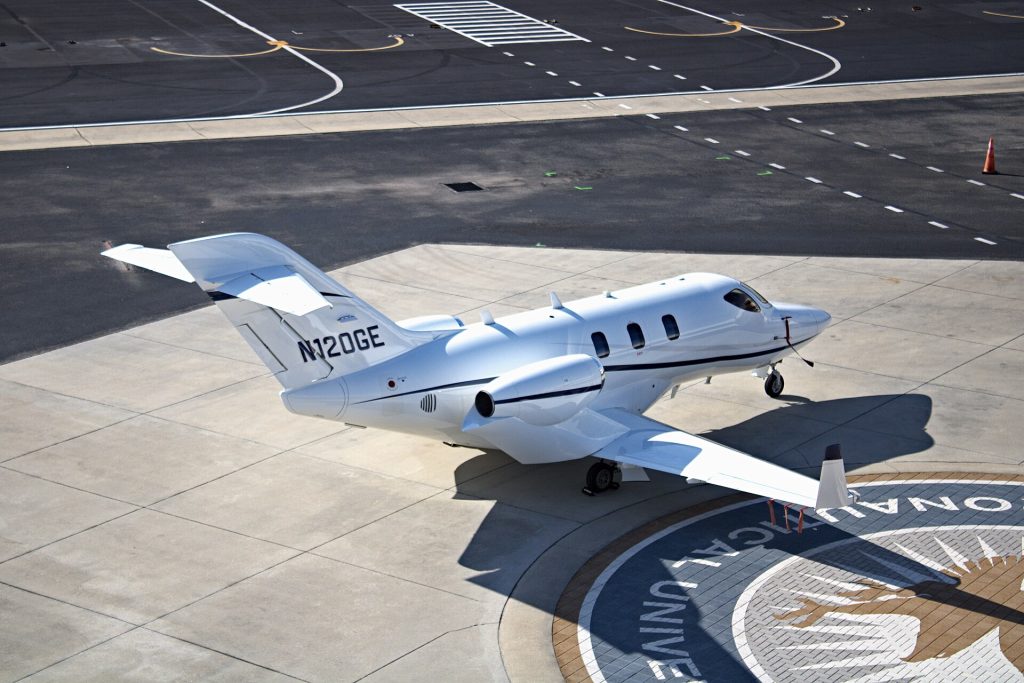
The move reflects a wider effort by Air Force Global Strike Command to protect B-1B airframe hours for the most demanding mission work while still giving crews the regular stick time needed to stay sharp.
What BSTAR Is and How It Works
BSTAR follows a contractor-owned, contractor-operated structure. According to AVweb and The Aviationist, XSTAR Aviation owns and operates the HondaJet aircraft, with the company supplying instructor pilots, overseeing maintenance and taking care of scheduling. Crews stationed at Dyess Air Force Base in Texas use the jets to accumulate hours across areas where the B-1B itself is not required: instrument work, mission planning, the handling of the aircraft and crew resource management.
Mission-specific work, including aerial refuelling, tactical operations and weapons delivery, remains in the B-1B. The HondaJet is not a replacement for the bomber in any operational sense; it is a vehicle for the kind of general airmanship training that any fast-jet pilot needs in volume.
B-1 pilots stand to gain approximately 100 extra flight hours each year through the programme, AVweb reports. For crews whose time in the B-1B is inevitably limited by the aircraft's intensive maintenance requirements and operational commitments, that figure represents a considerable increase in flying opportunity.
The Prototype Phase
The Aviationist reports that BSTAR remains in a prototype phase and is still subject to refinement as validation continues. Separately, AVweb notes that the Air Force intends to review HondaJet flight data and gather pilot feedback with a view to potentially widening the programme's scope, suggesting the current Dyess operation could yet evolve into something larger.
Air Force Global Strike Command, the organisation with oversight of the programme, is led by Gen. S.L. Davis, according to both outlets. Within Global Strike Command, responsibility for the B-1, B-2 and B-52 forces falls to US Eighth Air Force, which The Aviationist reports is commanded by Maj. Gen. Ty Neuman.
Maj. Gen. Neuman set out the rationale in a statement quoted by The Aviationist: "Our B-1 aircrews must be prepared to execute complex missions that demand precision, discipline and sound judgment. BSTAR increases airmanship, which translates to safer, more effective and lethal B-1 operators, while preserving B-1 flight hours for our specialized, mission-specific training."
The HondaJet BSTAR View from Dyess
The 7th Bomb Wing at Dyess, whose pilots are participating in BSTAR, is commanded by Col. Robert Sturgill, The Aviationist reports. He has been candid about the thinking behind the scheme. "I want our pilots flying as much as possible," he said, as quoted by The Aviationist. "Every additional hour they spend in the air builds experience they bring back to the B-1. BSTAR gives us that opportunity without taking away from the training they need in the bomber."
Dyess is the only B-1B base mentioned in connection with BSTAR at this stage. Whether the programme would extend to other installations, should it pass the prototype evaluation, is not stated in either source.
For readers interested in the HondaJet HA-420 and its specifications, our Aircraft Search tool is a useful starting point.
Why This Matters
The logic behind BSTAR is not unique to the B-1B. Military aviation has long recognised that high-maintenance, high-cost aircraft cannot carry the full burden of keeping pilots current in basic airmanship. Supplemental trainers, whether military or, as here, commercially sourced, spread that load. What is notable about BSTAR is the choice of a light business jet and a fully contractor-managed delivery model, which keeps the Air Force's own resources focused on the operational fleet.
The first flight on 2 November marks the beginning of the validation period, not a settled programme. How the Air Force interprets the flight data and feedback it collects will determine whether BSTAR grows beyond Dyess.
The Bottom Line
HondaJet BSTAR represents a pragmatic approach to a persistent problem: keeping bomber crews sharp without burning irreplaceable B-1B hours on routine airmanship training. The prototype is under way, the first flight has been logged, and the Air Force has indicated it will assess the results before committing to wider expansion. We will update our coverage if Air Force Global Strike Command releases further information on the programme's evaluation or future scope.
This article draws on reporting by AVweb and The Aviationist.
Continue to follow The Aviation Hub for more analysis and insight.
Advertise with us Your brand, in front of an aviation audience Home page and in-article placements, sold directly, one advertiser per slot. From £250 a year. See the rates