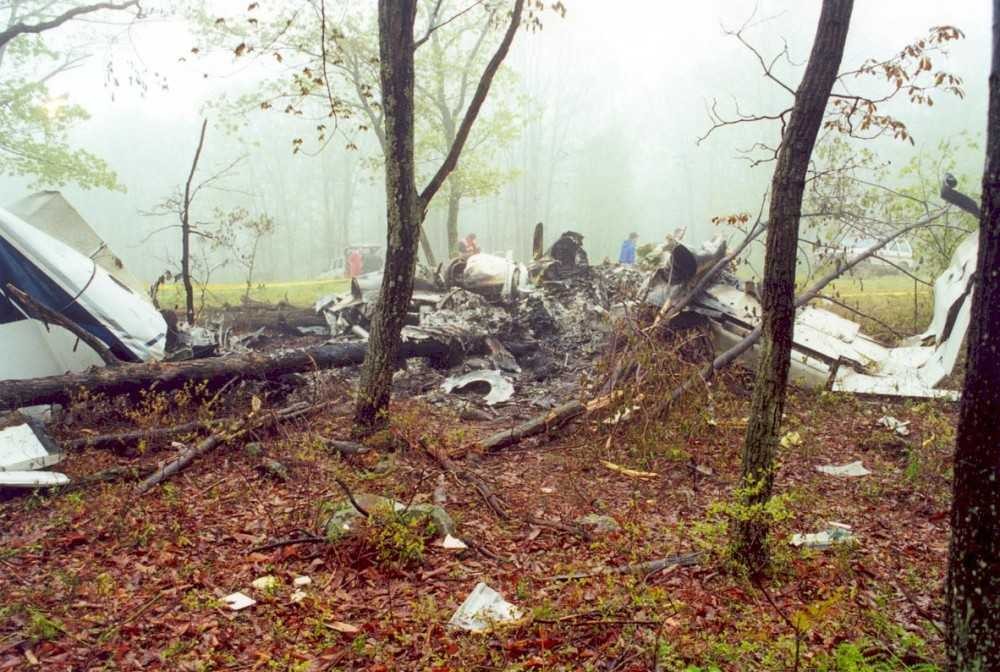
An IATA executive has publicly warned that only half of aviation accident investigations worldwide result in a published final report, raising serious questions about the industry's ability to learn consistently from accidents and prevent future ones.
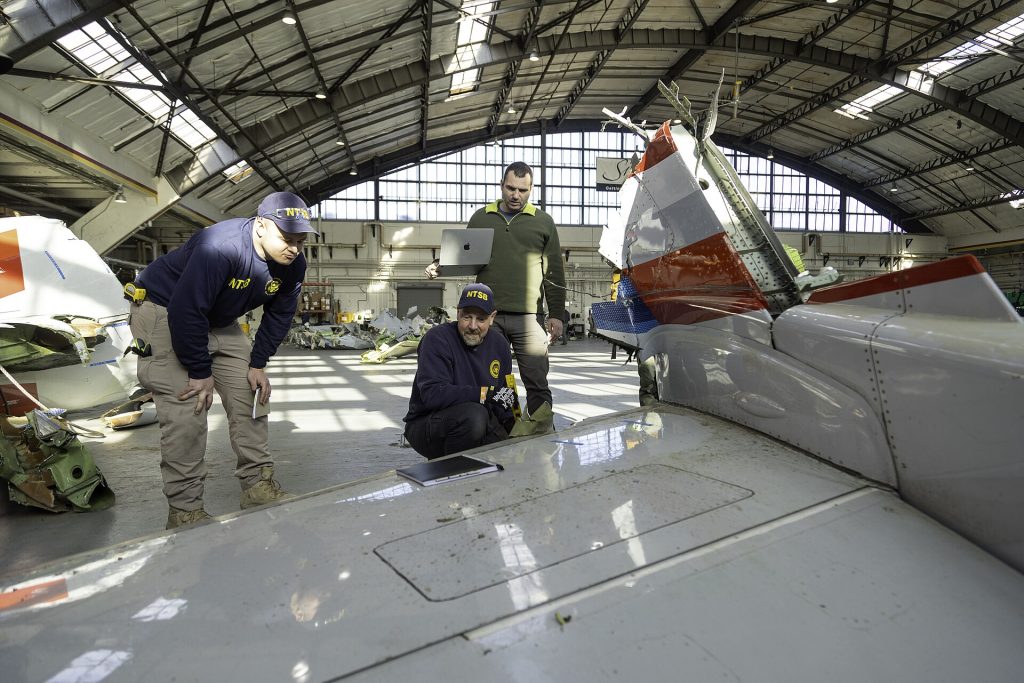
The warning cuts to the heart of what international investigation standards are designed to achieve. IATA states that the purpose of accident investigation under Annex 13 of the Chicago Convention is prevention, not assigning blame or determining liability. If final reports are not being published, those safety lessons are going unshared.
What Annex 13 Actually Requires
ICAO Annex 13 is the international framework that governs how states must handle aviation accident investigations. As Aerospace Global News explains, it obliges investigating states to publish a preliminary report within approximately 30 days of an accident.
The final report carries a tighter expectation on quality but a longer deadline. Under Annex 13, states must make the final report public as soon as possible, with 12 months set as the target. IATA notes that where a final report cannot be completed within that period, the investigating state is required to publish an interim statement on each anniversary of the accident until the report is released.
Airways Magazine reports the same framework, reinforcing that these are well-established obligations rather than new rules. The gap between what is required and what IATA says is happening in practice is therefore a significant one.
Why Incomplete Reporting Matters in Aviation Accident Investigations
Aviation safety is built on shared learning. When a final report is not published, the safety recommendations that would normally flow from it are either delayed or lost entirely. Other states, airlines, manufacturers and regulators cannot act on findings they never receive.
Our Squawk 7700 hub tracks live emergencies and maintains an archive of incidents; the value of that record depends entirely on investigations being seen through to completion. Use our Airline Search to explore carriers involved in safety reporting across the industry.
The Bottom Line
IATA's warning is a pointed one. The rules set out in ICAO Annex 13 are clear, and the annual interim statement requirement exists precisely to keep investigations from disappearing quietly. That half of investigations appear not to reach a published conclusion suggests the interim statement mechanism is not working as intended in a substantial number of cases.
We will update our coverage if IATA, ICAO or any national investigating authority releases further information or formal guidance in response to this concern.
This article draws on information from Iata and reporting by Aerospace Global News, AVweb and Airways Magazine.
Continue to follow The Aviation Hub for more analysis and insight.
Advertise with us Your brand, in front of an aviation audience Home page and in-article placements, sold directly, one advertiser per slot. From £250 a year. See the rates