
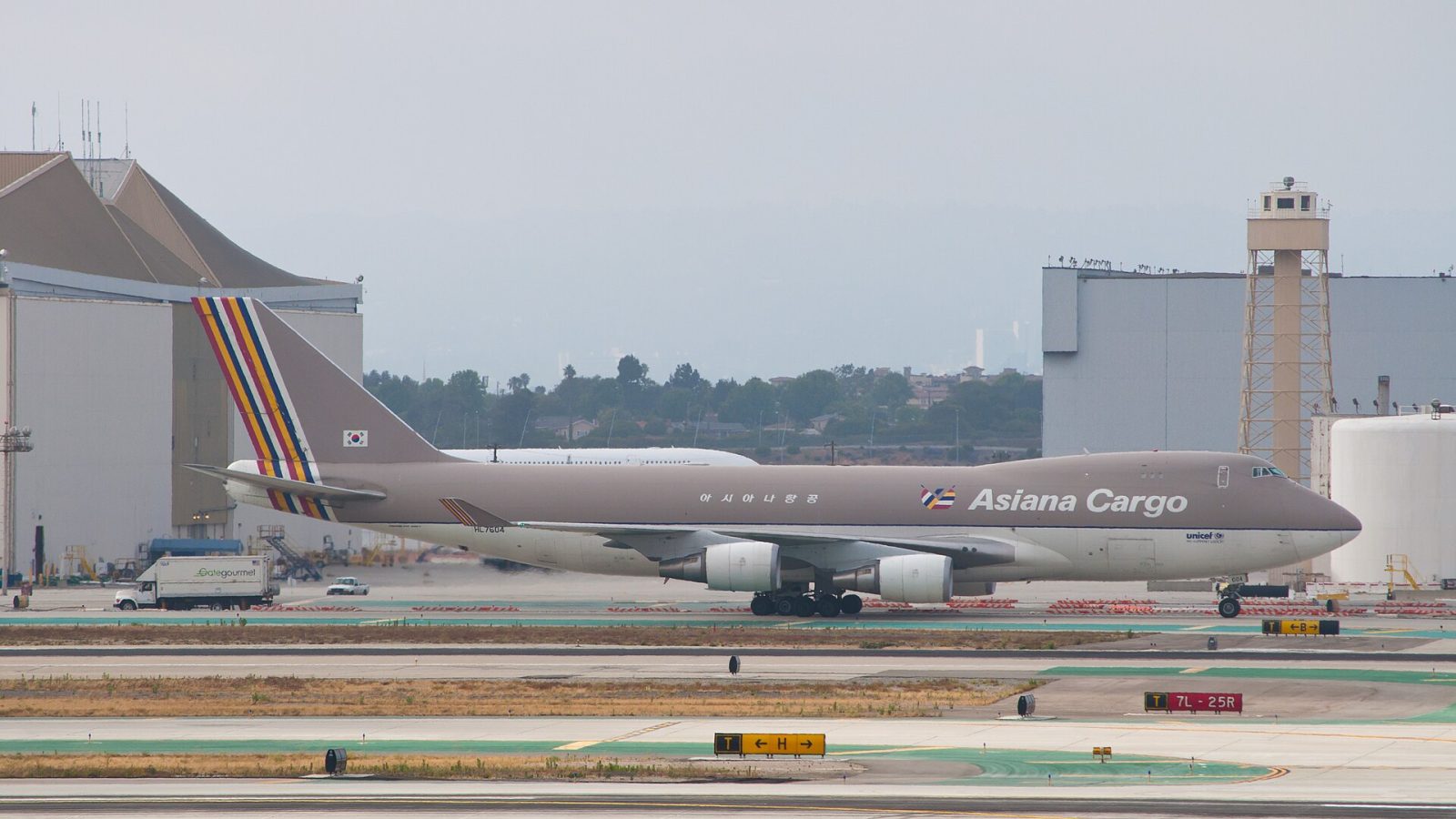
Engine prices have climbed to levels that would have seemed extraordinary a few years ago. Full-life GE90-115BL values now exceed $35 million, according to IBA (International Bureau of Aviation), and that single figure does much to explain why running an ageing widebody freighter has become a fundamentally different financial proposition.
What Engine Prices Now Look Like
The GE90-115BL powers the Boeing 777-200LR and 777-300ER, two types that sit at the heart of many freighter operations. According to IBA, serviceable units carrying 3,000 cycles remaining are forecast to change hands at values above $25 million. IBA further notes that monthly lease extension rates on the same variant are sitting in the range of $250,000 to $300,000. Numbers at that level set the terms for every other cost calculation an operator faces.
Widebody aircraft lease rates and market values have increased more than 5% this year, ISTAT (International Society of Transport Aircraft Trading) reports. That rise reflects the same supply pressure that is pushing engine values upward: demand for capable long-range aircraft is running ahead of available supply, and lessors are pricing accordingly.
Why Used Parts Have Become the Dominant Cost
The scale of USM's role in engine maintenance is striking: ISTAT puts used serviceable material (USM) at roughly 80% of engine overhaul expenditure. The underlying driver is the elevated price of new parts, which pushes operators towards the used market as a way of containing costs, and in doing so pushes USM values higher in turn. That dynamic creates a feedback loop in which overhaul budgets remain under sustained pressure whichever maintenance path an operator chooses.
According to Oliver Wyman, global aviation MRO spending topped $136 billion in 2025, representing an 8% rise on 2024 levels, and Oliver Wyman projects that figure will climb towards $193 billion before the decade is out, nearly double what the industry recorded in 2019. These totals span maintenance activity across every aircraft category, yet it is the engine segment that continues to bear the most acute strain.
The Turnaround Problem
Time is money in any fleet operation, and Oliver Wyman reports that narrowbody engine turnaround times are now regularly 180 to 200 days or more for many operators. Freighter operators tend to run widebody types, where turnaround pressure is different in character but no less severe: a 777 freighter waiting on an engine is a 777 freighter not earning revenue.
The length of the shop visit also matters for USM consumption. Longer visits consume more parts, and with USM already at 80% of overhaul costs according to ISTAT, any extension of the visit compounds the bill directly.
Who Pays in the End
The economics here trace a clear path. Freighter operators who own ageing widebody aircraft face engine values that have roughly doubled over recent years, lease rates for spare engines well above $250,000 per month, and an MRO market growing at 8% annually. Those operators have three broad options: absorb the cost, pass it on through cargo rates, or retire the aircraft earlier than planned.
Cargo rates feed directly into the cost of everything moved by air, which ultimately reaches consumers. The analysis we published on why Europe's weakest airlines face their real fuel test in 2027 showed how cost shocks accumulate in ways that expose the most financially stretched operators first. Engine prices are a comparable structural pressure, and they are building now rather than in some future quarter.
Lessors, by contrast, are in a strong position. With widebody values up more than 5% this year per ISTAT, and lease rates rising in step, the asset side of their business is performing well. The cost falls most heavily on the operators who most need to keep older, paid-off equipment flying precisely because they cannot afford newer replacements.
The Bottom Line
Engine prices have risen to a point where they are reshaping the business case for every ageing freighter in service. The data from IBA, ISTAT and Oliver Wyman point in the same direction: costs are higher, turnaround times are longer, and the MRO bill is on a trajectory that shows no sign of flattening before the end of the decade. Operators, shippers and consumers are all in the chain. The question is how far down it the pressure travels. You can research the aircraft types at the centre of these economics using our Aircraft Search tool.
This article draws on information from ISTAT (International Society of Transport Aircraft Trading) and reporting by IBA (International Bureau of Aviation) and Oliver Wyman.
Continue to follow The Aviation Hub for more analysis and insight.
Advertise with us Your brand, in front of an aviation audience Home page and in-article placements, sold directly, one advertiser per slot. From £250 a year. See the rates