
Europe has agreed to end cabin bag fees on EU flights, but most holidaymakers leaving Britain will not benefit on the way out. Here is what budget airlines charge today, what the new EU rules mean and how each airline is responding.
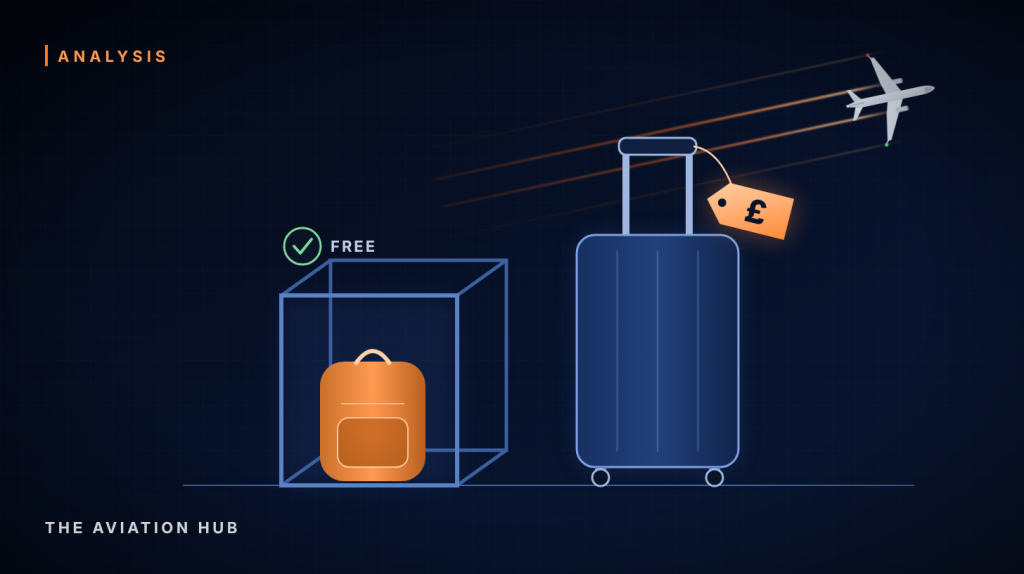
For most budget passengers, the cheapest fare is no longer the price they pay. A small bag that fits under the seat is free. Anything larger usually means paying cabin bag fees, and the charge can be more than the flight itself.
That model is now under pressure. The EU has agreed new rules that would give every passenger a free cabin bag, but the details mean British travellers will see only part of the benefit.
What You Pay Today
The free allowance on low cost airlines is small. Ryanair and Wizz Air include a bag of 40cm x 30cm x 20cm, while easyJet allows a slightly larger 45cm x 36cm x 20cm, according to Which?.
A wheeled cabin bag costs extra on all three. Ryanair charges between £12 and £36 to add priority boarding and a second cabin bag at booking, and £20 to £60 if you add it later.
Full service airlines are more generous. British Airways includes a cabin bag and a smaller personal item, each up to 23kg. Jet2 includes a 10kg cabin bag, although it may move bags to the hold unless passengers pay £6.50 per flight for a guaranteed place in the cabin.
The Advertised Price Problem
The headline fees are rarely what passengers pay. When Which? checked nearly 1,500 cabin bag prices across eight routes, it found the lowest advertised prices less than 1% of the time, according to Euronews.
easyJet advertised cabin bags from £5.99 but never offered that price in the sample. The cheapest Which? found was £23.49, and the average was £30. Ryanair advertised £12, but its average was £20.50. Ryanair dismissed the research as “total rubbish”, and Wizz Air said the sample was not representative.
The extras add up quickly. In an earlier snapshot, Which? found a Wizz Air fare from Luton to Lyon rose from £29 to £124 once bags and seats were added, according to its drip pricing report.
What the EU Has Agreed
In June, EU lawmakers and member states reached a provisional deal on the first major overhaul of passenger rights since 2004, according to Euronews.
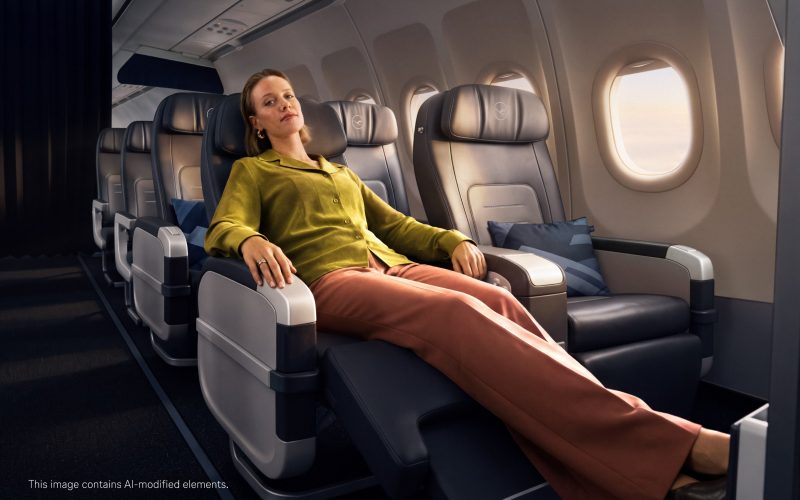
Under the deal, a standard ticket would include a personal item that fits under the seat and a cabin bag of up to 7kg, with combined dimensions of up to 100cm. The rules still need to complete the legislative process, and October 2027 is the earliest likely start date.
Why Most UK Departures Are Not Covered
The rules apply to EU airlines and to flights departing from EU airports, according to Which?. Britain is outside the EU, so a flight leaving a UK airport on a British airline is not covered.
That matters because most UK departures on easyJet and Wizz Air are operated by their British subsidiaries. A family flying from Gatwick to Malaga on easyJet UK could still pay for cabin bags on the way out, but would benefit from the free allowance on the way home.
How the Airlines Are Responding
The responses differ. Ryanair told Which? it will adopt the changes from October 2027 on all its flights, with a maximum size of 55cm x 40cm x 20cm and 10kg for the second bag.
Wizz Air said it will comply fully once the rules come into force, but said it was too early to confirm the details. easyJet said it is reviewing its policy and has made no decision on UK flights.
The fight over fees is not new. Spain fined five budget airlines a total of €179 million in 2024 over practices including hand luggage charges, although the European Commission has challenged Spain’s authority to do so.
Will Fares Rise Instead?
Free bags are unlikely to be truly free. Airlines will still be allowed to offer cheaper fares to passengers who travel without hand luggage, and Which? says fees for bags, seats and other extras are now as important to airlines as the fare itself.
The likely result is a reshuffle rather than a saving. Base fares may rise, while new discounts appear for passengers who travel with only an underseat bag.
How to Avoid the Fees Now
Until the rules arrive, the simplest saving is to pack within the free allowance. A 40cm x 30cm x 20cm bag holds enough for a short city break.
If you need more space, add the bag at booking rather than later, when prices are usually higher. Compare the total cost, including bags and seats, rather than the headline fare, and check whether a full service airline such as BA or Jet2 works out cheaper once a cabin bag is included.
The Bottom Line
The EU’s new rules are the biggest threat yet to cabin bag fees, but they will not end them for British travellers. Most outbound flights from the UK on easyJet and Wizz Air will remain outside the rules unless the airlines choose to change.
Ryanair’s decision to apply the change across its network may put pressure on its rivals. For now, the only reliable way to avoid cabin bag fees is to travel light or compare the full price before you book.
Continue to follow The Aviation Hub for more analysis and insight.
Advertise with us Your brand, in front of an aviation audience Home page and in-article placements, sold directly, one advertiser per slot. From £250 a year. See the rates