Jet2 flew more people than ever this summer, but cheaper fares and rising costs cut first half profit by 19%. Here is what the results mean for Jet2 shares, why the airline has cut winter seats and what investors should watch before its move to the Main Market.
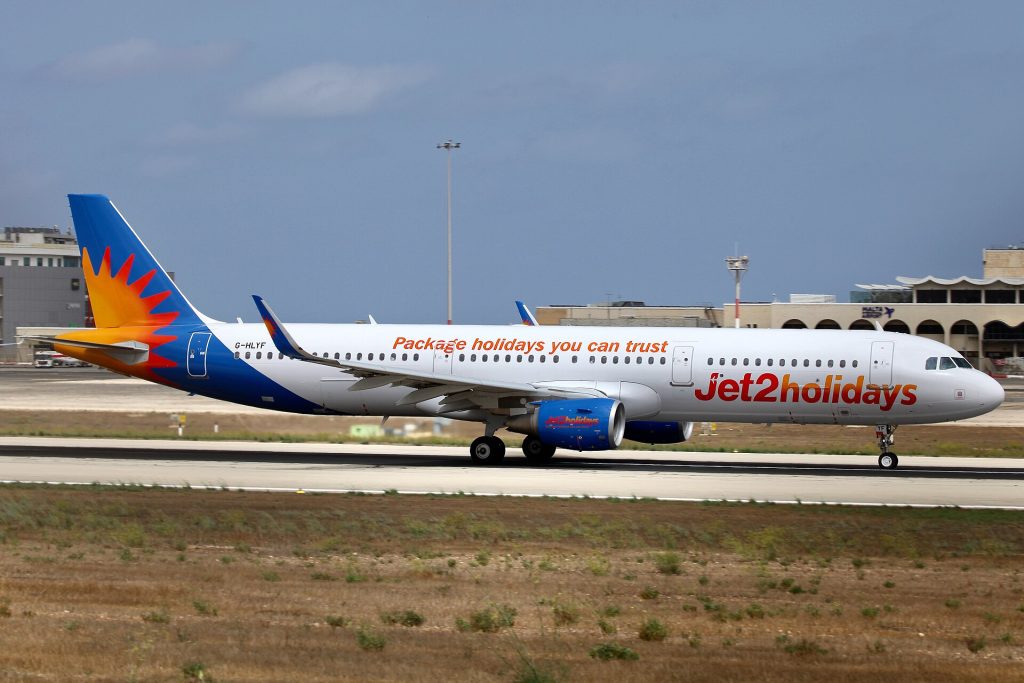
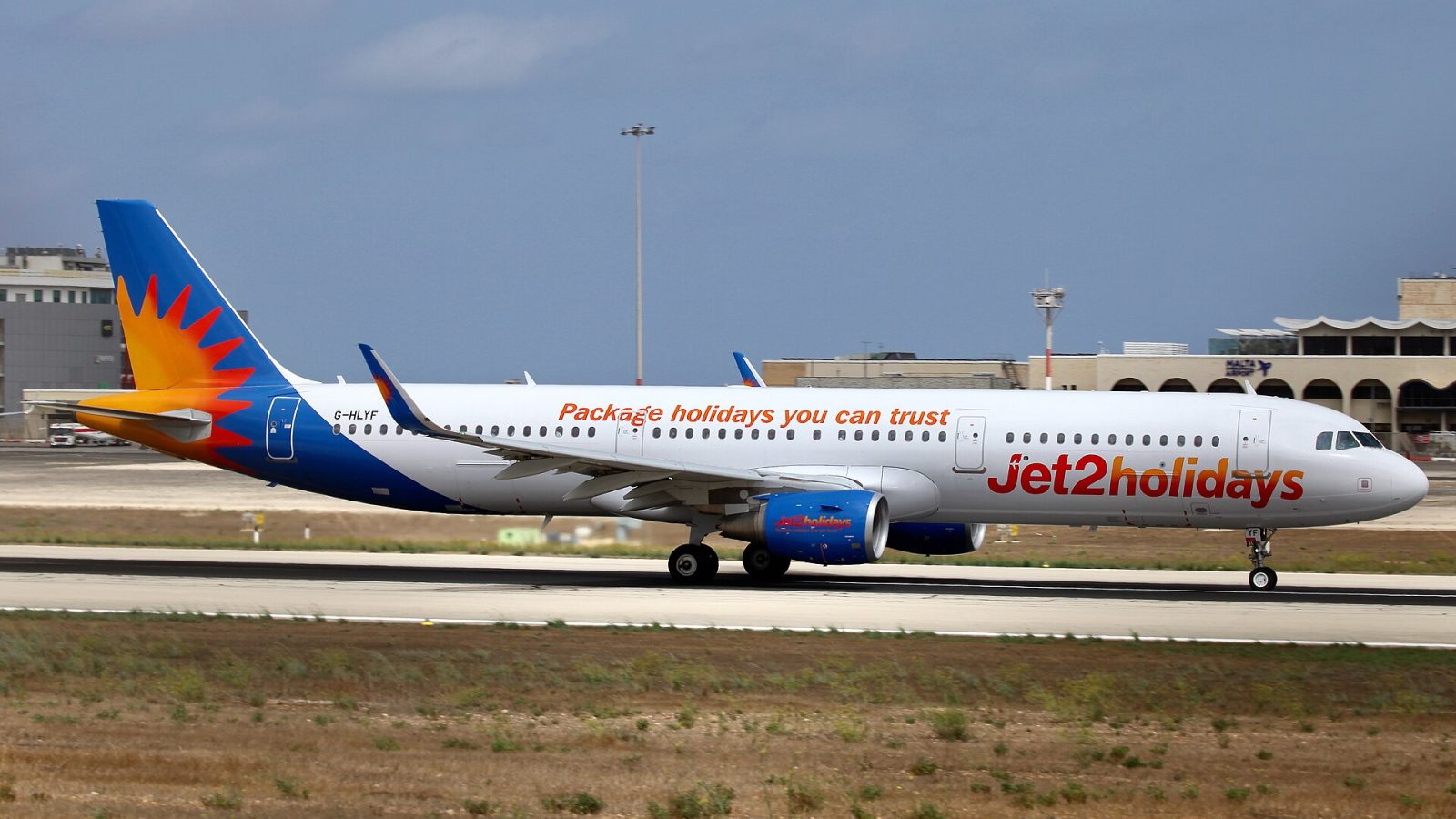
Jet2 has never been busier, yet Jet2 shares fell after its latest results. The Leeds based airline and package holiday company carried a record 15.4 million passengers in the six months to 30 September, up 9% on last year.
Investors were less impressed by the profit line. The shares fell 5% to 1,407p after the results on 18 November, according to Yahoo Finance, and at one point traded about 8% below the previous close.
What the Numbers Show
Revenue rose 5% to a record £5.63 billion. Operating profit fell 18% to £588.3 million, and profit before tax fell 19% to £652.2 million, according to the company’s half year report.
Earnings per share fell from 300.4p to 266.1p. The interim dividend was held at 4.5p, and the £250 million share buyback announced in July is 41% complete.
Planes were fuller than ever. The load factor rose 1.5 points to 89.7%, and the new base at London Gatwick averaged more than 90% between June and September.
Cheaper Fares Filled the Planes
The record numbers came at a price. Average revenue per flight only sector fell 14% to £104.82, from £121.88 a year earlier, according to AskTraders.
Jet2 cut prices to keep demand up during a period of what it called “heightened consumer uncertainty”, especially in early summer, according to The Traveler. Flight only passengers rose 20%, while package holiday customers rose 4%.
Package holidays, the core of the business, held up better. The average package price rose 1% to £945, according to Stockopedia, although that is below the rate of inflation.
Costs Are Rising Faster Than Revenue
Operating costs rose 9% to £5.04 billion, almost twice as fast as revenue. That pushed the operating margin down from about 13% to about 10%.
Fuel was not the main problem in the first half. The fuel bill was flat at £489.5 million. Instead, hotel costs rose 14%, landing, navigation and handling charges rose 12%, and carbon costs under the UK and EU emissions trading schemes rose 43%, according to AskTraders.
Fuel Hedging Buys Time
The bigger risk lies ahead. Jet fuel prices have surged this year, and Jet2 buys part of its fuel at market prices.
For now, it is well protected. Jet2 has hedged 91% of its winter fuel at $880 a tonne, about 38% below current market prices, according to AskTraders. About half of next summer’s fuel is hedged at prices roughly 41% below the current spot price, according to Stockopedia.
Chief executive Steve Heapy said the company’s “flexible operating model, disciplined hedging and strong balance sheet” mean it is “well positioned to keep investing”.
Winter Seats Cut
Jet2 has already acted on the risk. It has removed 240,000 winter seats from sale since early September because of high prices for unhedged fuel. Winter capacity now stands at 5.7 million seats, up 3.8%, but down 3.6% excluding Gatwick.
Bookings are also arriving later. Advance sales at the end of September were down 2% at £2.46 billion. Management declined to give full year profit guidance, calling it premature while so much of the winter remains unbooked. Jet2 normally makes a loss in the second half and will update investors with its third quarter results in February.
The Cash Pile and the Main Market Move
The balance sheet remains a strength. Net cash rose 5% to £2.18 billion, against a market value of about £2.54 billion, according to Stockopedia. Part of that cash reflects customer payments for holidays not yet taken.
Jet2 also plans to move its listing from AIM to the Main Market of the London Stock Exchange in early December. Shares listed on AIM are not eligible for the main FTSE indices, so the move could bring Jet2 into the FTSE 250 and in front of a wider pool of institutional investors, as interactive investor has noted.
Growth plans continue. Jet2 expects to operate 142 aircraft next summer, including 43 Airbus A321neo jets, and will increase its Gatwick fleet from six to eight aircraft.
What Investors Should Watch
Three things will decide the next move in Jet2 shares. The first is fuel, especially the unhedged share of next summer’s needs. The second is pricing, and whether flight only fares recover. The third is late bookings, which will show whether British holidaymakers are still willing to spend.
The February update will be the next test. If winter bookings firm up and fuel prices ease, the current valuation leaves room for a recovery. If not, forecasts may fall further.
The Bottom Line
Jet2 is growing fast and still has a strong balance sheet. But this set of results shows that record passenger numbers do not guarantee record profits when fares fall and costs rise.
The fall in Jet2 shares reflects that tension. With no full year guidance and fuel prices still volatile, investors are likely to wait for clearer evidence on winter trading before the shares regain their momentum.
This article is for information only and is not investment advice.
Continue to follow The Aviation Hub for more analysis and insight.
Advertise with us Your brand, in front of an aviation audience Home page and in-article placements, sold directly, one advertiser per slot. From £250 a year. See the rates