If an airline or travel company fails, or simply refuses to refund you, the card you paid with could be your best route to getting your money back. Here is how protection works for Section 75 flights, when chargeback applies instead and how to make a claim.
Paying for flights by credit card gives you one of the most valuable and least understood rights British travellers have. Claims for Section 75 flights rest on the Consumer Credit Act, which can make your credit card provider legally responsible if something goes wrong with a purchase, according to UK Finance, the banking industry body.
It is worth knowing how to use it before you need it.
How Section 75 Works
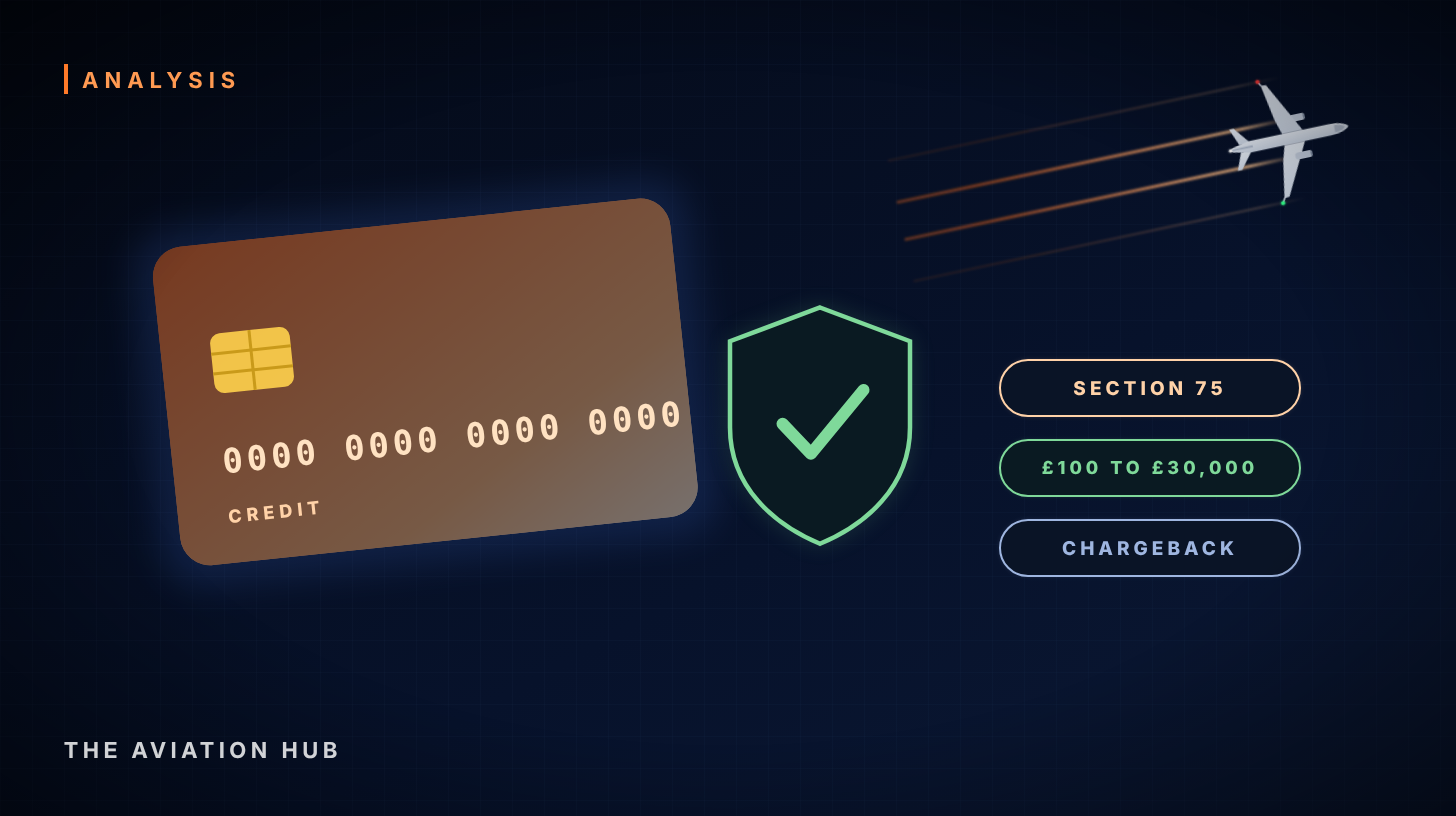
Section 75 applies to purchases made on a credit card that cost more than £100 and not more than £30,000. The limit applies to the total price, so you are covered even if you paid only the deposit on your card.
The card provider is responsible where the supplier has misrepresented something to you or breached its contract with you, for example by failing to provide a flight you paid for. You can recover your full losses, not just the amount you put on the card, sometimes including consequential expenses.
When It Helps With Flights
Section 75 is most useful when an airline or travel company collapses, or when it refuses a refund it owes you, such as after cancelling your flight and failing to offer a replacement or your money back.
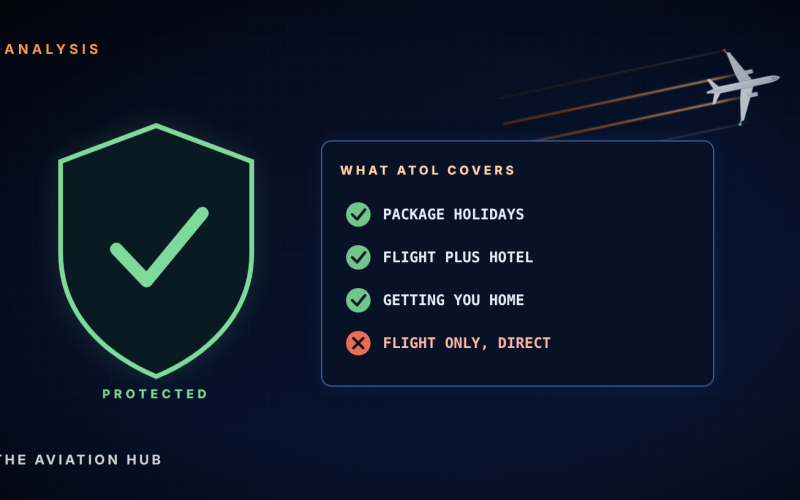
It is particularly important for flights booked directly with an airline, which are not usually covered by ATOL protection if the airline fails.
The Agent Problem
There is a catch. Section 75 usually applies only where the payment goes directly to the provider. If you booked through a travel agent or booking website, you may still be covered if the agent took payment on the airline’s behalf, but it can be harder to prove.
Where an agent sold its own package, Section 75 generally applies to the agent instead.
Chargeback for Debit Cards
If you paid by debit card, or your purchase cost less than £100, chargeback may help. It lets you ask your card issuer to reverse a payment if you did not receive what you paid for.
Chargeback is not a legal right but a scheme run by card networks such as Visa and Mastercard. It only covers the amount of the transaction, and claims must usually be made within 120 days of the purchase or of when the service should have been provided, UK Finance says.
Unlike Section 75, it does not matter if you booked through an agent. You can usually claim against the business you paid.
How to Make a Claim
Contact the airline or travel company first and ask for a refund. If it refuses, does not respond or has stopped trading, contact your card provider and explain that you want to make a Section 75 or chargeback claim.
Provide your booking confirmation, card statement and any correspondence. If your claim is declined, the card provider should explain why, and you can take a Section 75 complaint to the Financial Ombudsman Service.
Booking Tips
Pay for flights and holidays with a credit card where possible, even if you clear the balance immediately. Book directly with the airline or a reputable, ATOL protected travel company, and keep every confirmation email.
The Bottom Line
Section 75 protection for flights covers credit card purchases between £100 and £30,000, making your card provider responsible if the airline or travel company fails to deliver. Chargeback offers more limited help for debit cards and smaller amounts.
For anyone booking travel this winter, paying by credit card is one of the simplest ways to protect your money.
This article is for information only and is not financial advice.
Continue to follow The Aviation Hub for more analysis and insight.
Advertise with us Your brand, in front of an aviation audience Home page and in-article placements, sold directly, one advertiser per slot. From £250 a year. See the rates