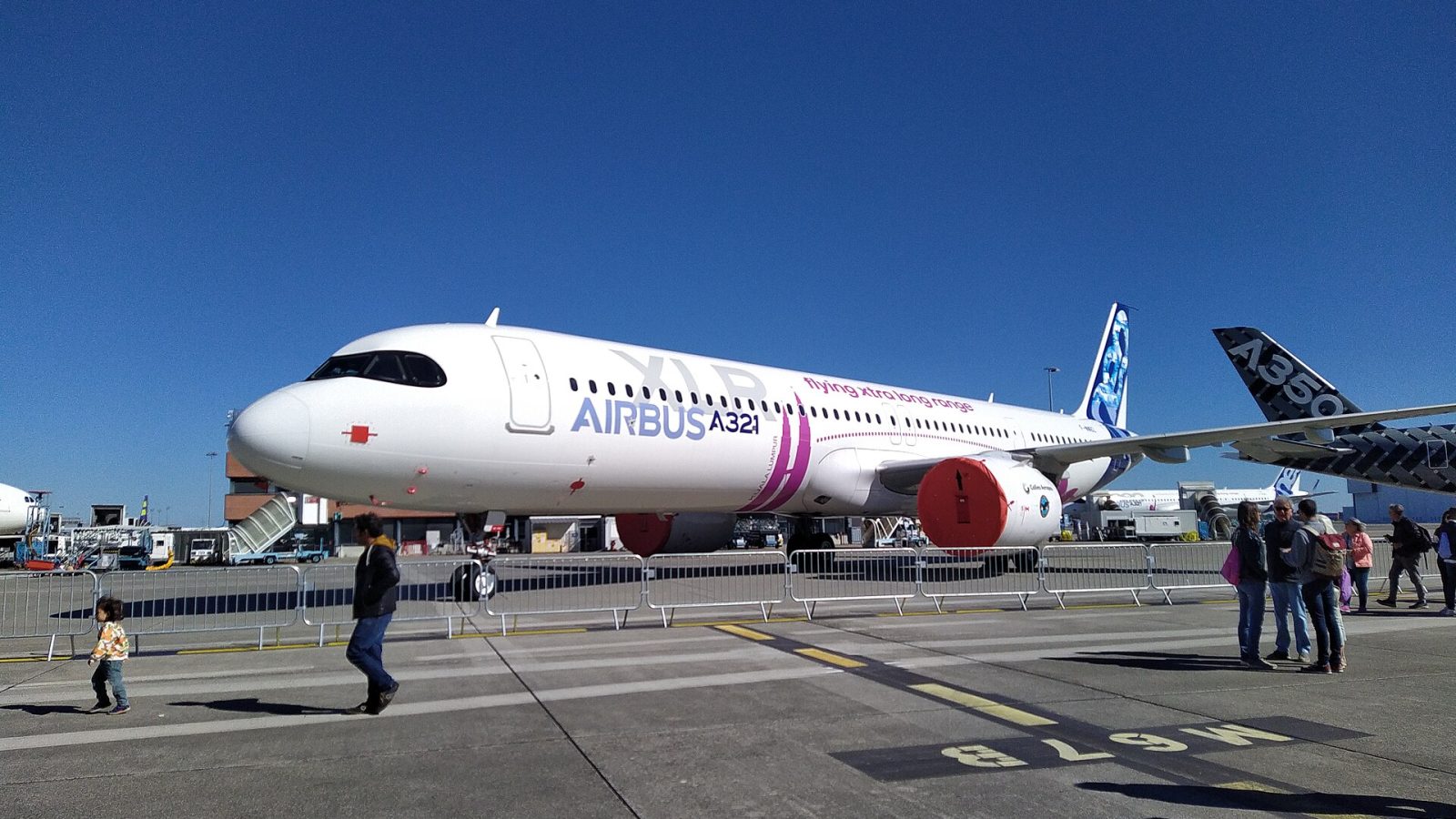
The A321XLR is doing something no single narrowbody aircraft has managed before: turning city-pairs that never made commercial sense into viable scheduled routes. The most telling number in the current data is this one, reported by Engine Cowl: narrowbody flights on the northern transatlantic grew over 120% between summer 2019 and summer 2026. That is not a rounding effect. It is structural change.
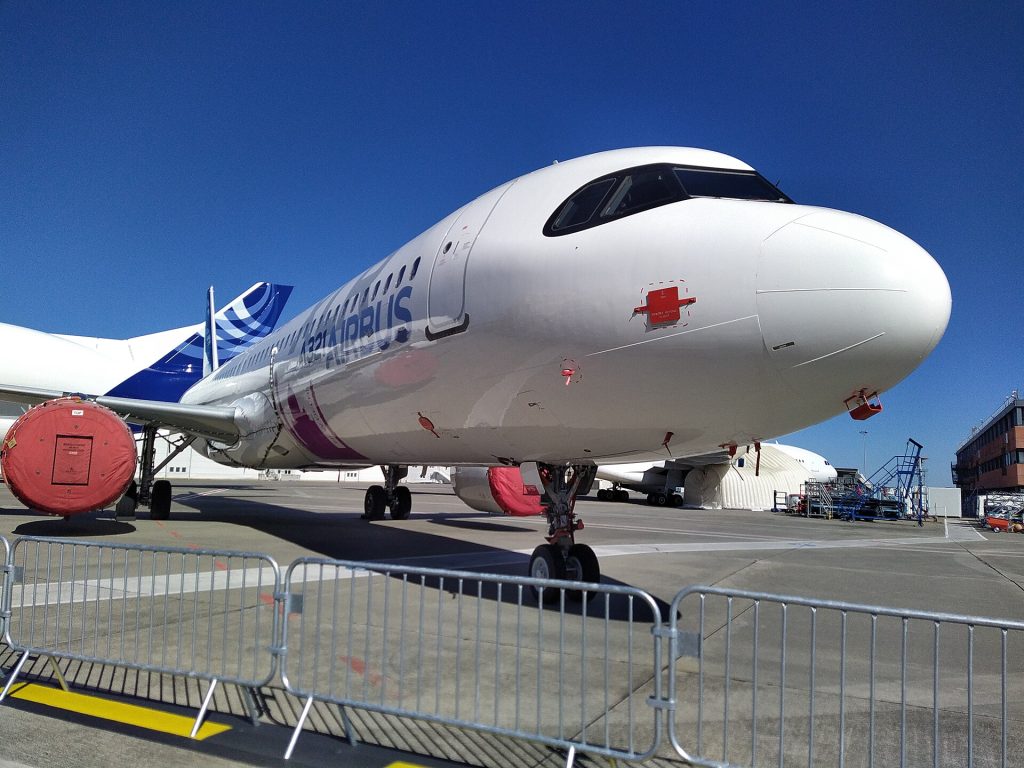
The question for our readers is whether that change is durable, or whether it rests on a speculative bet that thin long-haul routes will sustain themselves once the novelty fades.
What the A321XLR Actually Enables
Airbus lists the A321XLR's range at up to 4,700 nautical miles (8,700 km). That figure matters because it pushes well past the 3,000-nautical-mile ceiling that constrained previous narrowbody generations on transatlantic work. City-pairs in southern Europe and secondary US gateways, which widebody economics could never justify, now sit comfortably inside the operating envelope.
Patrick Quayle, United Airlines SVP of Global Network Planning and Alliances, framed it plainly: "The routes we are focusing on are Spain and France, which we consider comfortably within the aircraft's operational envelope," according to Aviacion al Dia.
That confidence is reflected in United's network planning. Air Data News reports that United has announced five new 2027 transatlantic destinations using the A321XLR: Luxembourg, Toulouse, Ibiza, Valencia and Marseille. The Newark to Luxembourg daily service begins 2 April 2027, with Washington Dulles to Toulouse following daily from 26 April 2027, Air Data News adds.
You can explore the full United Airlines network using our Airline Search tool.
The Route Numbers Tell a Clearer Story Than the Headlines
The growth is not just in absolute flight counts. Engine Cowl reports that the narrowbody share of transatlantic departures rose from 8.5% in summer 2019 to just over 16% in summer 2026. Over the same period, northern transatlantic flights overall are scheduled around 17% higher in summer 2026 versus summer 2019, with seats up 12%. The narrowbody segment grew far faster than the market as a whole, meaning these aircraft are taking share, not simply riding a broader recovery.
Garth Lund, Founder and Managing Director of Alpcor Aviation, told Engine Cowl that "narrowbody service across the northern Atlantic has grown considerably in recent years and looks set to continue unabated, particularly as more A321XLRs come online."
The early operational evidence supports that view. Aviacion al Dia reports that Iberia, the A321XLR launch operator, took delivery of its first aircraft in November 2024 and had eight frames in service by July 2026, having operated over 400 flights exceeding 5,000 km. Aer Lingus, also tracked by Aviacion al Dia, operated six frames and logged more than 300 sectors over 5,000 km in July 2026 alone, alongside over 200 shorter flights under 2,000 km. The dual-role flexibility of the type, serving both thin long-haul and short-haul within the same fleet, is already being used in practice, not just in theory.
New Routes, New City Pairs, New Competition
The commercial logic becomes sharpest when you look at the specific routes being unlocked. Tech Times reports that American Airlines is launching Philadelphia to Vienna on 6 May 2027, operated by an A321XLR, and that American will be the only US carrier flying nonstop to that city. Tech Times also notes that Delta Air Lines ended its Vienna service in 2008. A gap of nearly two decades between widebody service ending and narrowbody service beginning illustrates precisely the kind of route the A321XLR is designed to reopen.
Tech Times reports that American has announced seven new international routes for summer 2027, four of them operated by the A321XLR.
The premium cabin configuration on these narrowbodies deserves attention too. Air Data News reports that United's A321XLR will carry 20 Polaris lie-flat suites and 12 Premium Plus seats, giving 32 premium seats in total, which is 16 more than its Boeing 757-200. For passengers on routes previously served by the 757, that is a material improvement. For United, it is a direct argument that thin long-haul can generate premium yield, not just fill economy seats at low fares.
The Money Behind the Bet
Airline confidence in the A321XLR shows up in financing as much as in scheduling. American Airlines is financing five A321XLR deliveries, scheduled for September 2026 through January 2027, via a pass-through trust, according to the airline's SEC filing. That filing covers 37 aircraft in total, including nine A321neos, five A321XLRs, thirteen A321-200s, two 777-300ERs and eight E175s, the filing shows. The Class A Certificates alone raise aggregate proceeds of $1,051,470,000, per the SEC filing. At that scale, this is not a tentative experiment. It is a committed capital allocation.
It is worth noting that American's own network chief was candid about the constraint on that ambition. Brian Znotins, the airline's SVP of Network and Schedule Planning, said "Boeing and Airbus are really letting us down," according to Tech Times, a remark that points to delivery pace as the binding variable on how quickly this network transformation can proceed.
What Is Still Uncertain, and What to Watch
The thin long-haul model has a credible operational foundation and genuine passenger demand at secondary city-pairs. What it does not yet have is a full demand cycle behind it. The routes opening in 2026 and 2027 will face their first real test during a period when travel patterns, corporate budgets and consumer confidence all carry uncertainty.
The pace of deliveries remains the critical variable. If manufacturers close the gap that Znotins referenced, the network expansion the data currently shows could accelerate sharply. If delays persist, airlines will need to prioritise which routes receive the type first, and some of the thinner city-pairs announced for 2027 may slip.
For passengers, the near-term picture is positive: more nonstop options from secondary cities, improved premium products on routes previously served by ageing 757s, and genuine price competition on corridors that widebodies rarely contested. Whether the business case holds across a full economic cycle is the question the industry will be answering over the next three to five years, and the answer will determine whether this is a durable shift or a well-financed experiment.
This article draws on information from American Airlines Group Inc. (SEC filing) and reporting by Engine Cowl, Air Data News, Tech Times and Aviacion al Dia.
Continue to follow The Aviation Hub for more analysis and insight.
Advertise with us Your brand, in front of an aviation audience Home page and in-article placements, sold directly, one advertiser per slot. From £250 a year. See the rates