Europe’s aviation safety regulator has widened its urgent inspections for A380 wing cracks to 24 superjumbos, most of them flown by Emirates. Here is what the checks involve, what is causing the cracks and what it means for passengers booked on the world’s largest airliner.
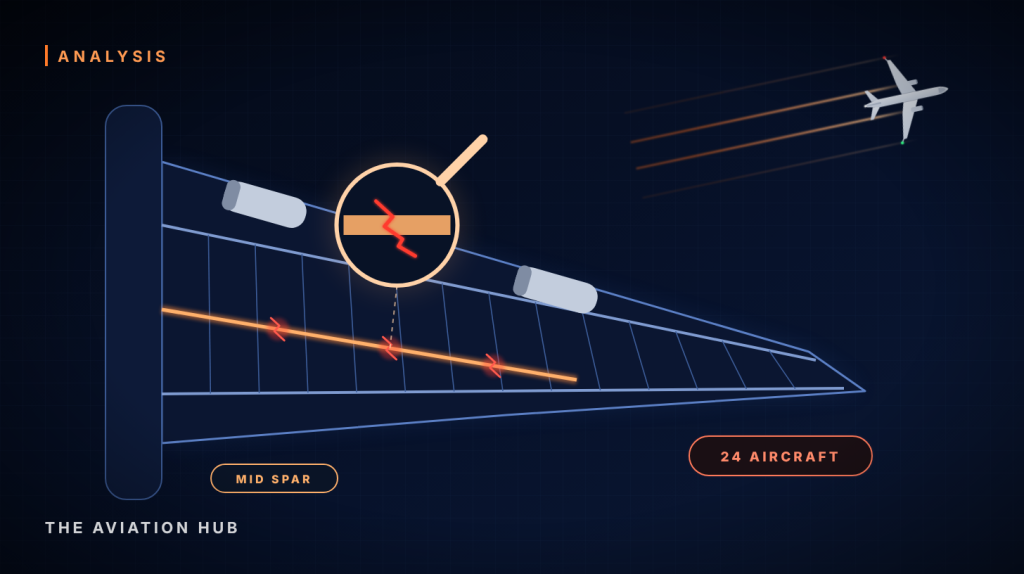
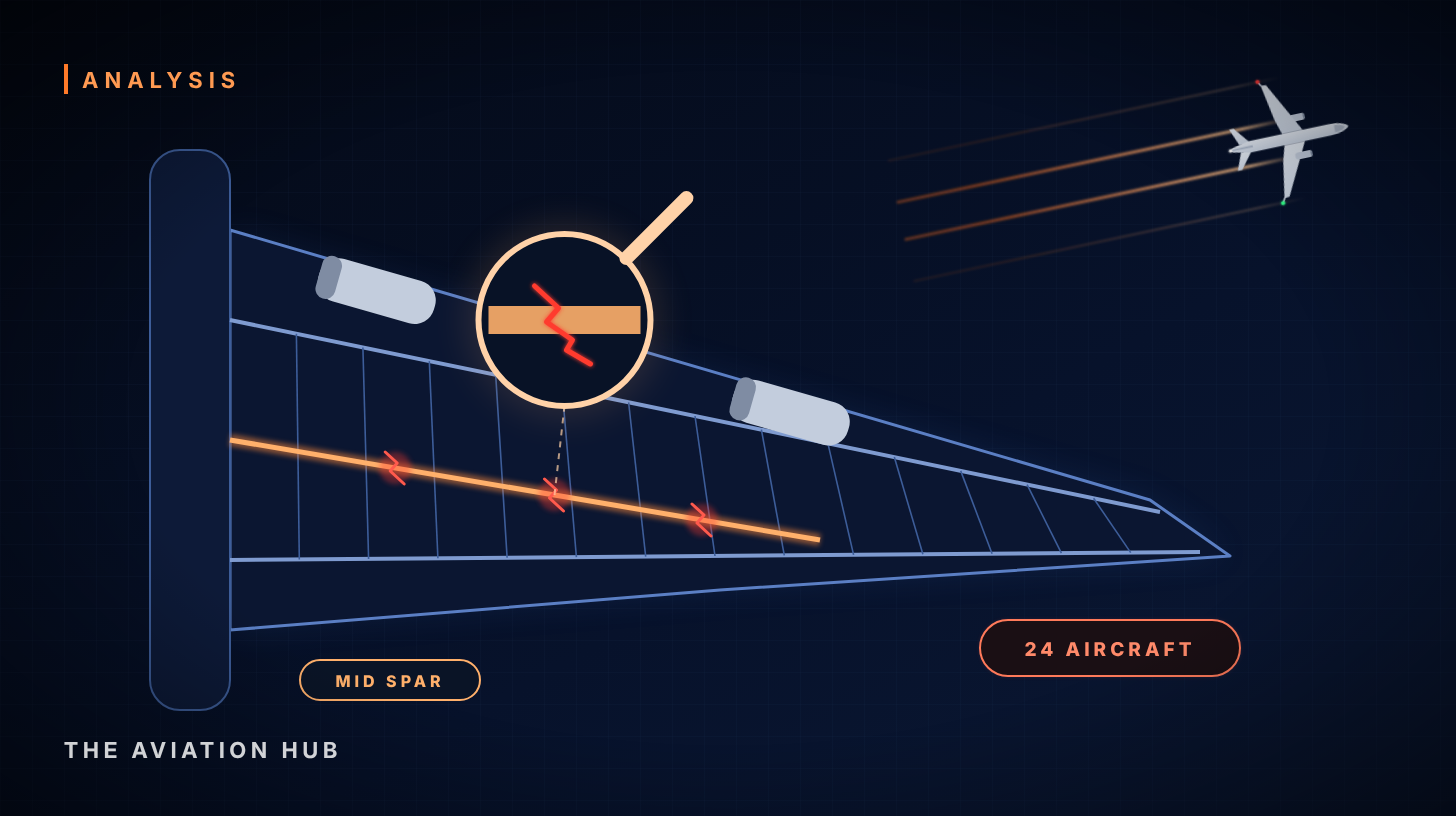
The A380 wing cracks story has taken another turn. The European Union Aviation Safety Agency has issued a new emergency airworthiness directive covering 24 Airbus A380s, up from 16 in June, according to Aviation Week.
The directive took effect on 18 November. It covers 22 aircraft operated by Emirates, one by Etihad Airways and one by Qantas.
What the Inspections Involve
The checks focus on the wing mid spars, structural beams that run along the wing and carry much of the load in flight. Depending on the aircraft, inspections must be done before the next flight or within 25 flight cycles, where one cycle is a takeoff and a landing.
The eight aircraft newly added to the list must be inspected by 31 January 2027. EASA describes the directive as an interim action, which means further requirements could follow.
What Is Causing the Cracks
The problem is linked to the aircraft’s history. Aviation Week reports that hydrogen embrittlement is behind accelerated crack growth in certain wing spars on A380s that were stored for long periods.
Many A380s spent months or years parked during the pandemic, when demand for very large aircraft collapsed. Airbus has said the cracks could reduce the structural integrity of the wing, according to Travelling for Business, and that all A380s with the same production history have been identified.
How We Got Here
This is not a new issue. The series of A380 wing spar inspections began in 2023 and was later extended to the whole fleet, Aviation Week reports.
EASA then made the requirements more urgent and more detailed for a small number of aircraft. The June directive covered 16 aircraft, and the new one supersedes it after eight more were found to have the same potential unsafe condition.
Why Emirates Is Most Affected
Emirates flies more than half of all active A380s, according to Travelling for Business, so it was always likely to carry most of the burden. The superjumbo remains central to its network, including its many daily flights between Dubai and the UK.
Qantas said there was no impact on its flights when its aircraft was named in the June directive, as that aircraft was already in scheduled maintenance, according to Travelling for Business.
What It Means for Passengers
Airworthiness directives are a routine part of aviation safety. They require airlines to find and fix problems before they become dangerous, and aircraft that do not comply cannot fly.
For passengers, the most likely effect is an occasional aircraft swap or schedule change while inspections are carried out. If your flight is cancelled, you are entitled to a refund or an alternative flight.
The Bottom Line
EASA has widened its checks for A380 wing cracks to 24 aircraft, with tight deadlines and the possibility of further action. The cause appears to be linked to long periods of storage, which many A380s went through during the pandemic.
For anyone booked on an A380, the checks are a sign that the safety system is working as intended. At most, expect the occasional aircraft swap. There is no reason to avoid the aircraft.
Continue to follow The Aviation Hub for more analysis and insight.
Advertise with us Your brand, in front of an aviation audience Home page and in-article placements, sold directly, one advertiser per slot. From £250 a year. See the rates