“Acrid Smell” Onboard JetBlue Flight Causes Divert to Jacksonville
 By The Aviation Hub
3 min read
By The Aviation Hub
3 min read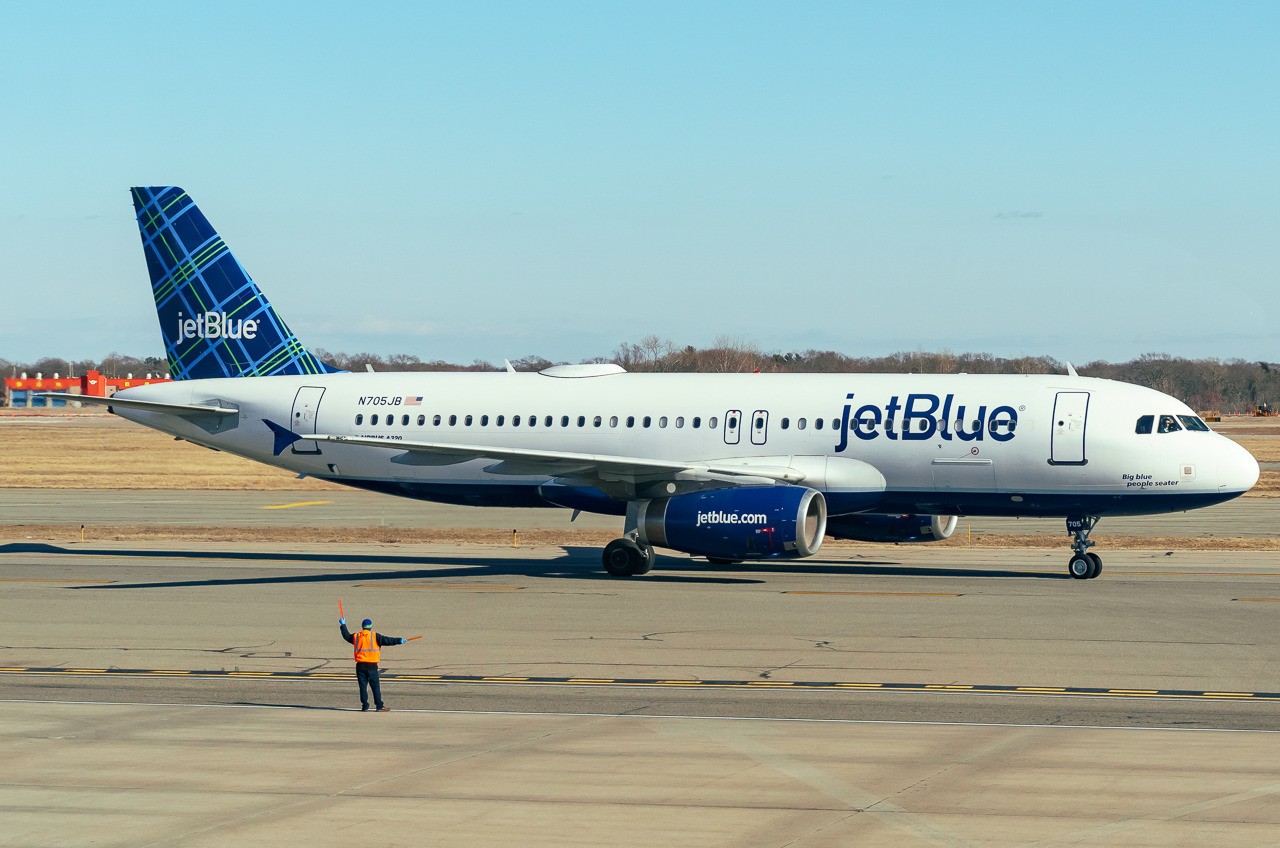
A JetBlue Airbus A320-200 broke off a routine West Palm Beach service and diverted to Jacksonville after an acrid smell filled the flight deck and left the crew struggling to breathe.
The Diversion to Jacksonville
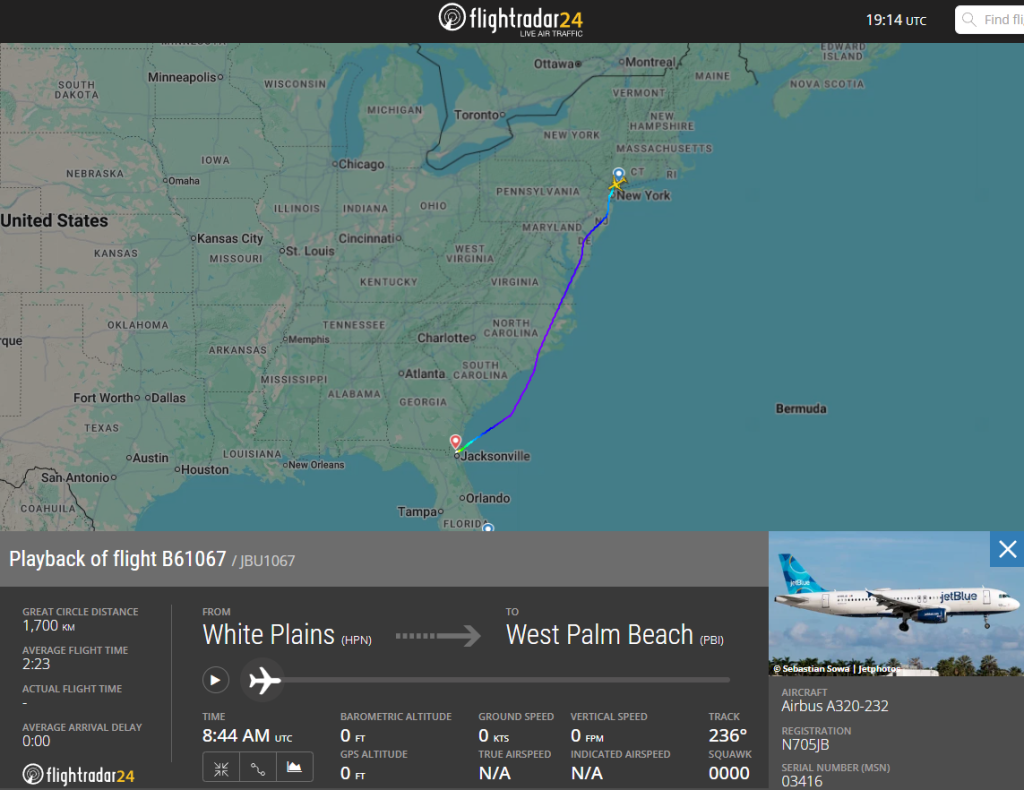
The aircraft, registration N705JB, operated flight B6-1067 from Westchester County Airport in New York to Palm Beach International Airport in Florida.
The crew was cruising at FL360 roughly 160 nautical miles northeast of Jacksonville when they decided to divert.
The aircraft landed safely on runway 26 at Jacksonville International Airport about 30 minutes later as per The Aviation Herald.
What the Crew Reported
A passenger travelling on the flight said the captain addressed those on board after landing.
According to that account, the captain described an acrid smell that had developed on the flight deck.
The smell irritated the eyes and lungs of those in the cockpit and made it difficult to breathe.
Flight crews treat any unexplained smell on the flight deck as a serious event.
Standard procedure calls for the pilots to don oxygen masks, establish communication through the mask microphones, and work through the smoke, fire and fumes checklist while identifying the nearest suitable airport.
Cruising at FL360 leaves a crew little time to diagnose the source, which explains why a diversion decision follows quickly once irritation begins.
Understanding Fume Events
Modern airliners including the A320 family draw cabin air from the engine compressors through the bleed air system.
That air passes through the air conditioning packs before reaching the cabin and the flight deck.
When engine oil, hydraulic fluid or deicing fluid contaminates the bleed supply, the resulting fumes can carry a sharp chemical odour and produce exactly the symptoms the JetBlue captain described.
Maintenance teams usually trace these events to worn engine oil seals, an oil overfill during servicing, or residue burning off inside the packs.
Most fume events end without lasting harm, although crews and cabin staff occasionally undergo medical checks after landing.
The Aircraft Involved in the Jacksonville Incident
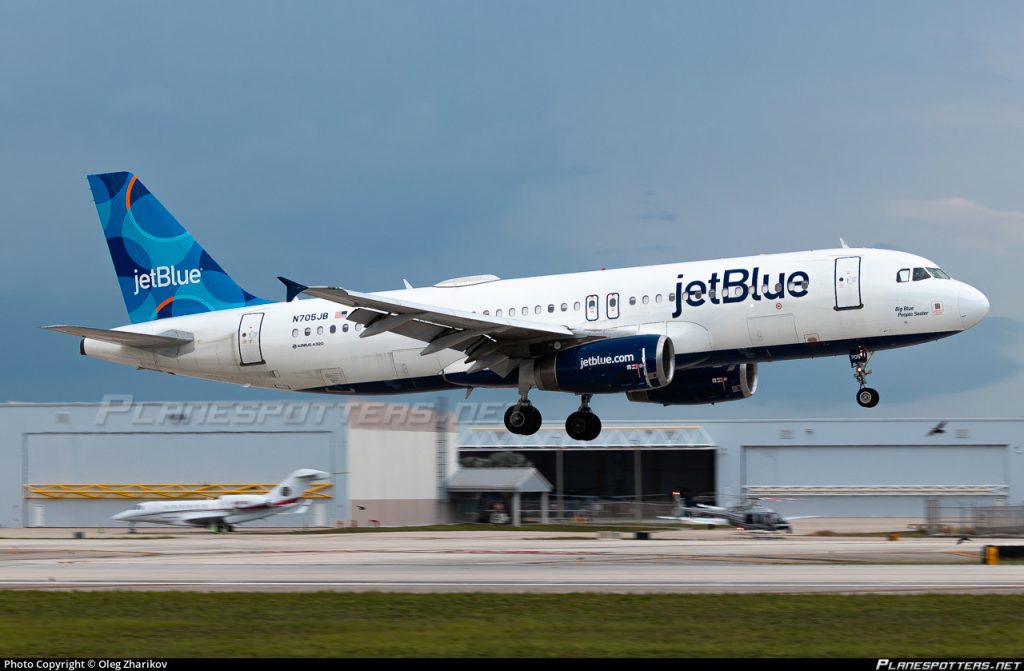
N705JB carries manufacturer serial number 3416 and first flew on 30 January 2008 wearing the Airbus test registration F-WWIN.
Airbus built the aircraft at its Toulouse production site and delivered it to JetBlue on 27 February 2008.
Two IAE V2527-A5 engines power the airframe, which is now just over 18 years old and remains active.
JetBlue named the aircraft Big Blue People Seater and operates it as fleet number 705.
The carrier configured the cabin for 150 seats at delivery, then reconfigured it to the current 162 seat layout in December 2019.
The aircraft wore the Bubbles tail design until November 2015, carried the Tartan scheme from then until May 2023, and now flies in the Spotlight livery.
It also spent seven months in storage at Pinal Airpark in Marana, Arizona, between April and November 2020.
What Happens Next
Engineers will now inspect the bleed air system, the air conditioning packs and the engine oil seals before the aircraft returns to service.
JetBlue has not issued a public statement on the cause of the smell.
If we acquire anymore information on this incident, then we will update you accordingly.
Continue to follow The Aviation Hub for more analysis and insight!
Advertise with us Your brand, in front of an aviation audience Home page and in-article placements, sold directly, one advertiser per slot. From £250 a year. See the rates