Air Canada Axes Vancouver-Singapore: Why This Route Failed
 By The Aviation Hub
6 min read
Updated September 30, 2026
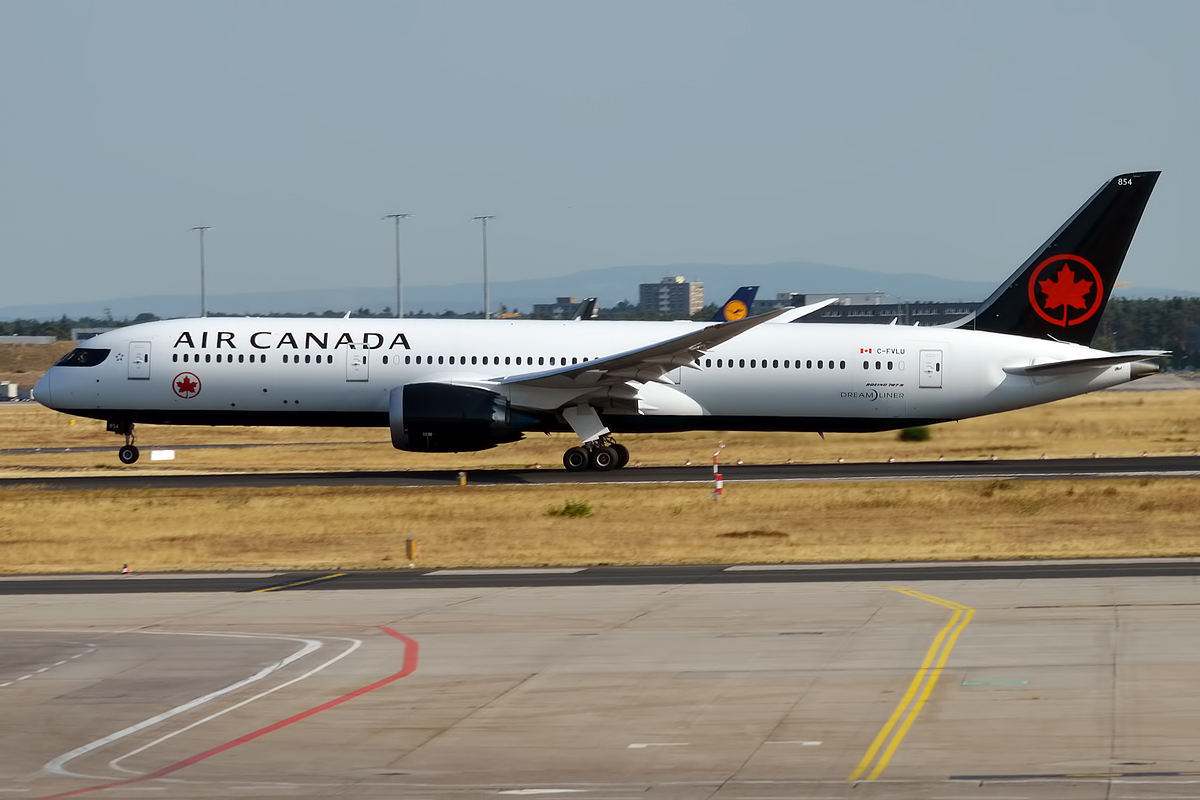
Air Canada is ending its longest route. Nonstop flights between Vancouver and Singapore will stop in late January 2027, less than three years after the service launched.
The final departure from Vancouver is scheduled for 24 January 2027, according to One Mile at a Time, which picked up the change from AeroRoutes.
Once the route goes, there will be no nonstop passenger link between Canada and Singapore at all.
For Air Canada, the decision is a clear signal that ultra long haul flying has limits, particularly in a year of expensive fuel.
The Route Air Canada Is Losing from Vancouver…
The service launched in April 2024 and has operated between three and five times weekly.
At 7,967 miles, it has been the furthest the carrier flies.
Simple Flying notes the maximum block time is 16 hours and 45 minutes.
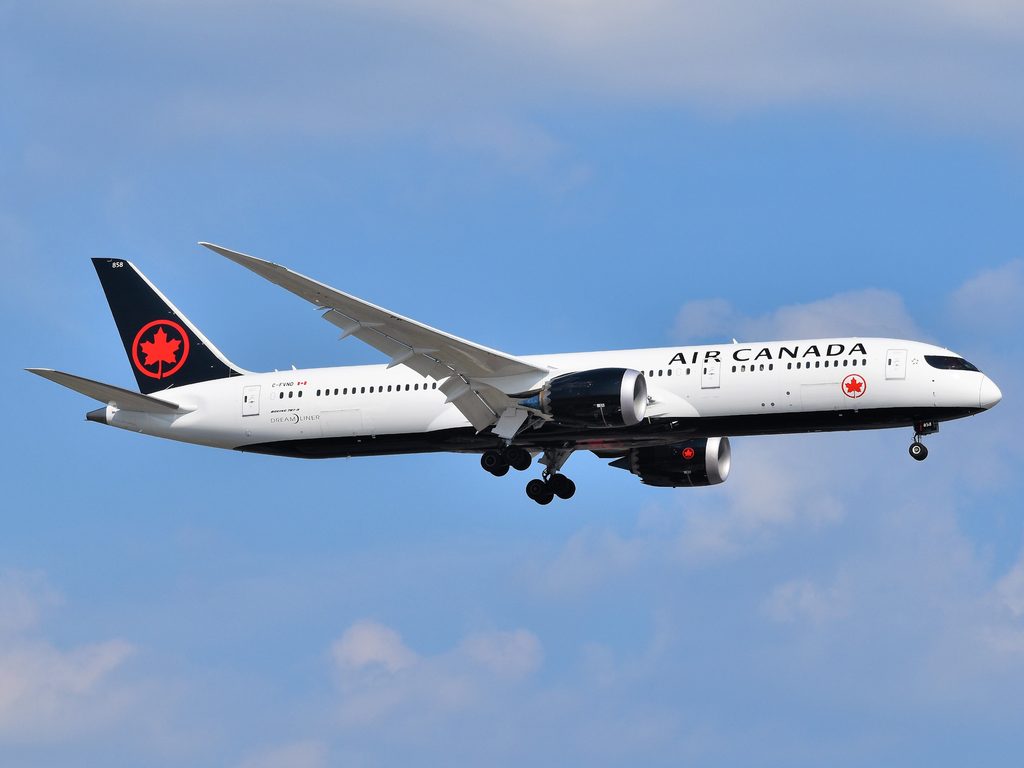
The flight is operated by the Boeing 787-9, which offers lie flat business class seats for the long journey across the Pacific.
When the route opened, it looked like a strategic win.
Vancouver sits in a strong geographic position for Asia, and Singapore Changi is a major Star Alliance hub, giving Air Canada access to connections across Southeast Asia and beyond via partner Singapore Airlines.
What Air Canada Has Said About The Cut in Vancouver
The airline has been direct about the commercial reality.
A spokesperson told Vancouver Is Awesome that, despite significant investment over close to three years, the route “did not meet the business targets” needed to stay sustainable.
Goody Feed, citing The Straits Times, reports that the airline pointed to demand, the cost of operating such a long flight and current fuel prices.
That combination is the classic ultra long haul problem.
The aircraft has to carry a huge amount of fuel simply to carry the fuel needed for the rest of the journey.
The Economics of Ultra Long Haul
Ultra long haul routes work when three things line up.
There needs to be strong premium demand, limited competition, and fuel prices that allow the airline to carry a full payload without sacrificing seats or cargo.
On Vancouver to Singapore, none of those conditions was strong enough.
InsideFlyer reports that low yields and competition from one stop Asian carriers undercut the route, while cargo capacity was limited by payload constraints on such a long sector.
That competition is fierce.
Travellers between Western Canada and Southeast Asia can connect easily through Hong Kong, Taipei, Tokyo, Seoul or Manila, often at lower fares than a nonstop can sustain.
Fuel then made a marginal route clearly unprofitable.
InsideFlyer notes that higher jet fuel prices accelerated a shutdown that reflected underlying profitability issues from launch.
Singapore Cut: A Wider Asian Reshuffle for Air Canada
The Singapore decision is part of a broader pattern.
The airline is reshaping parts of its Asian network rather than simply shrinking it.
Rus Tourism News reports that the airline has shortened its seasonal Montreal to Delhi service. It will now end on 26 March 2027 rather than continuing into late April.
The carrier has also delayed its return to Dubai.
Simple Flying reports that flights from Toronto to Dubai, originally planned for October, have been pushed back to 15 January 2027 at the earliest.
At the same time, the airline is still growing in parts of Asia. Simple Flying notes that flights will begin to Sapporo in December and to Guangzhou next May.
Capacity is being moved to routes that make money, not withdrawn from the region.
Who Becomes Air Canada’s Longest Route?
Once Singapore goes, Delhi to Toronto becomes Air Canada’s longest nonstop service, according to Simple Flying.
That route has its own challenges.
Flights between Canada and India are exposed to airspace restrictions over parts of Asia and the Middle East, and the Delhi market is highly competitive.
However, it benefits from something Singapore never had.
There is a very large Indian diaspora in Canada, which supports high load factors year round.
What Air Canada Can Learn From Qantas
The contrast with other ultra long haul projects is instructive.
Qantas is preparing to fly nonstop from Sydney to London and New York with specially configured Airbus A350-1000 aircraft, a project The Aviation Hub has covered in detail in our look at Qantas’s nonstop Sydney to New York plans.
Qantas has built a business case around those routes over many years, with a dedicated fleet, a premium heavy cabin and strong corporate demand.
The Canadian carrier used a standard 787-9 on a route with a much smaller natural market.
Singapore Airlines, which already flies some of the world’s longest routes, has similarly relied on premium demand from major financial centres to justify them.
The lesson is simple. Distance alone does not make a route viable.
The market at both ends has to be big enough to fill the premium cabin at high fares.
Cargo is the other missing piece. On many long haul routes, belly freight provides a vital second revenue stream.
On a sector this long, fuel weight squeezes the payload available for cargo, which removes a cushion that shorter transpacific flights enjoy.
That helps explain why Vancouver to Brisbane, at around 15 hours, can work when Singapore could not.
The shorter sector leaves more room for both passengers and freight, and the Australian market has deep ties with Western Canada.
What Passengers Should Expect Following Singapore Cut
Travellers between Canada and Singapore will have to connect again from late January 2027.
Goody Feed reports that the airline will continue to sell connecting itineraries from Singapore, so the airline is not leaving the market entirely.
For point to point passengers, fares may rise as nonstop competition disappears. Premium travellers, who most valued the convenience of a single flight, are likely to feel the loss most.
Customers already booked beyond the end date should expect the airline to contact them with rebooking options.
Anyone planning travel early next year should check their booking carefully.
Will Air Canada Return to Singapore?
It is unlikely in the near term.
The airline has now tried the route and found it wanting, and airlines rarely relaunch a failed ultra long haul service without a major change in conditions.
That could come with lower fuel prices, a newer and more efficient aircraft, or a stronger partnership arrangement.
Until then, the 787-9 fleet is better deployed on routes such as Brisbane, Sydney, Bangkok and India, where the numbers work.
For Air Canada, closing its longest route is a disciplined decision rather than a retreat from Asia.
It is also a reminder that, in 2026, every long haul flight has to earn its place in the schedule.
Readers can explore Air Canada’s fleet and network using our Airline Search tool.
Continue to follow The Aviation Hub for more analysis and insight!
Advertise with us Your brand, in front of an aviation audience Home page and in-article placements, sold directly, one advertiser per slot. From £250 a year. See the rates