Air France Hands Paris to Denver to United: What the Exit Tells Us
 By The Aviation Hub
5 min read
By The Aviation Hub
5 min read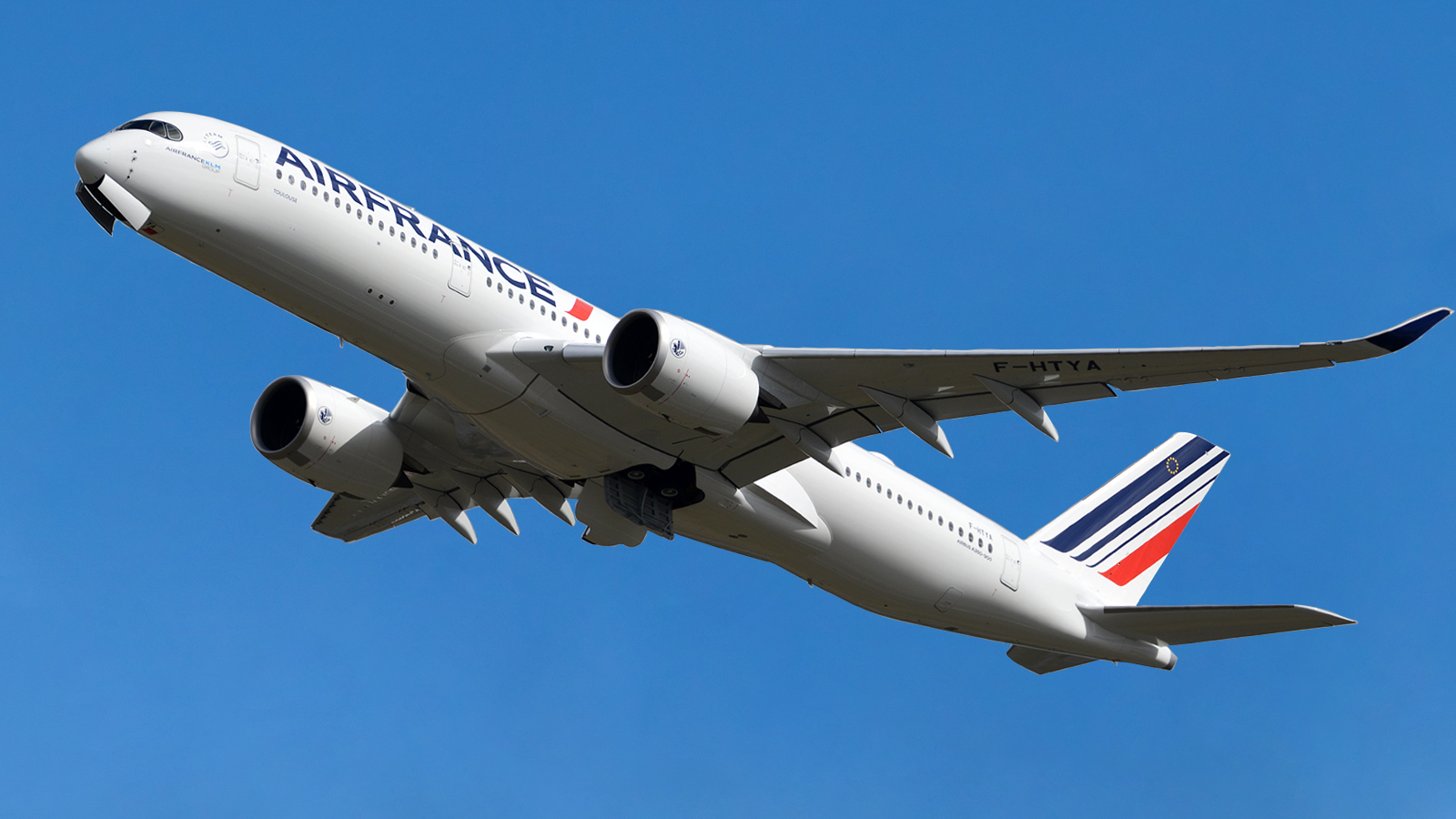
Air France will operate its final Paris to Denver flight on 10 October 2026.
The French flag carrier launched the route in the summer of 2021. Five years later, it is walking away.
The timing is no coincidence.
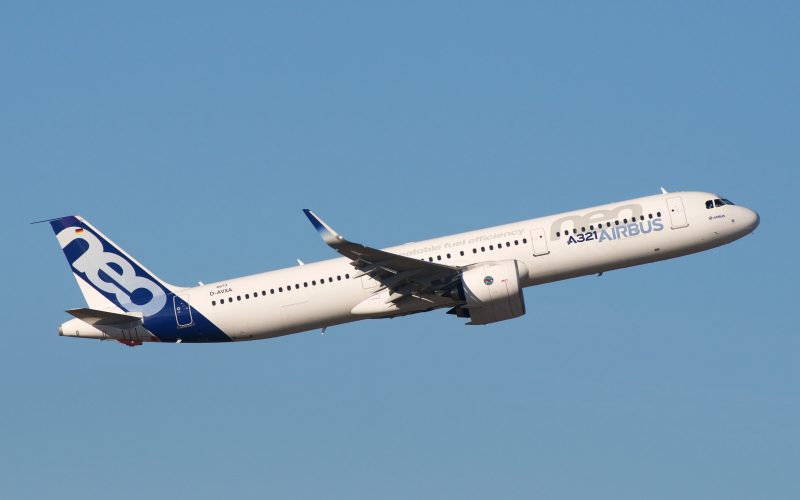
United Airlines will start daily nonstop flights between Denver and Paris on 27 May 2027.
As a result, the route passes from a SkyTeam carrier to a Star Alliance one. The exit says a great deal about how transatlantic networks work in 2026.
Five Years of Air France in Denver
Air France arrived in Denver in July 2021, as transatlantic travel reopened after the pandemic.
According to Upgraded Points, the route carried more than 200,000 passengers across over 900 flights.
The schedule changed several times.
Air France flew the route seasonally at first. It then moved to year round flying in 2024, before switching back to seasonal service in 2025.
That back and forth rarely signals a route that performs well all year.
Air France used widebody aircraft throughout, including the Airbus A350.
One Mile at a Time reported a typical schedule of three flights a week.
Now the route has disappeared from the airline’s 2027 US schedule entirely.
Why United Holds All the Cards in Denver
Denver is one of the largest United hubs.
The airline dominates local traffic and runs a vast domestic network that feeds its long haul flights.
Ben Schlappig of One Mile at a Time put it simply. United “has a huge advantage in Denver, given its massive hub and loyal local customer base.”
That advantage is decisive.
A daily United flight will offer passengers more choice than three weekly Air France departures.
Meanwhile, frequent flyers in Colorado overwhelmingly hold United status. Corporate contracts in the city also tend to favour the hub carrier.
United will use the Boeing 787-9 on the route.
Paris becomes its fifth European destination from Denver, joining London, Frankfurt, Munich and Rome.
In other words, United is building a full European portfolio from its mountain hub.
Did Air France Leave Before It Was Pushed?
Air France made its decision before United has flown a single passenger.
That suggests a calculated exit rather than a defeat.
Air France likely modelled the route against a daily United competitor and did not like the result. Unlike United, it had no domestic feed at the Denver end.
Therefore, it relied heavily on local passengers and on connections through its Delta partner.
Once United enters, those local passengers split.
Premium cabins suffer most, because corporate travellers follow their loyalty programmes.
On a thin route with three flights a week, even a modest drop in revenue could wipe out any profit.
The Joint Venture Factor
Air France operated its Denver flights within the SkyTeam transatlantic joint venture with Delta, KLM and Virgin Atlantic.
Joint ventures let partners share revenue across the Atlantic.
That makes network decisions a group exercise rather than a solo one.
Consequently, Air France does not need to fly every route itself.
The venture can still serve Colorado passengers through connections.
A traveller from Denver can reach Paris on SkyTeam via Atlanta, Detroit, Minneapolis, New York or Amsterdam.
From a joint venture perspective, an A350 earns more on a route where the partners have real strength.
Every aircraft that leaves Denver can move to a market where SkyTeam holds pricing power.
So the exit may improve group profits even as Air France gives up a destination.

Fuel Costs Changed the Maths for Air France’s Denver Flights
This is not only about competition.
Jet fuel prices have risen sharply since the war with Iran began in late February 2026.
Al Jazeera reported increases of more than 80%, and airlines have removed millions of seats in response.
Long, thin routes feel that pressure first.
Paris to Denver is a long sector with limited frequency.
Furthermore, it lacks the heavy business traffic that props up flagship routes such as Paris to New York.
When fuel costs climb, airlines protect their strongest markets and trim the weaker ones.
We explored how geopolitical shocks reshape airline networks in our analysis of what happens to commercial aviation if WW3 happens.
The Denver exit is a smaller example of the same pattern. Capacity retreats to the core.
What Passengers Lose and Gain
The good news for travellers is that the route survives.
Denver keeps a nonstop link to Paris, and with daily frequency it arguably improves.
Star Alliance members also gain a new option, with easy connections across the United domestic network.
However, there is a gap.
Air France stops flying in October 2026. United does not start until late May 2027.
As a result, Denver will have no nonstop Paris service for around seven months.
SkyTeam loyalists lose out too.
Flying Blue and Delta SkyMiles members in Colorado must now connect to reach Paris on their preferred alliance.
For some, that will be enough to switch.
Denver International Airport also loses a second European airline brand on the Paris route.
Airports prize competition because it keeps fares in check.
With only one carrier flying nonstop, Colorado travellers may see higher prices in premium cabins once United settles in.
Will Air France Leave Other Secondary Markets?
This is the key question. In recent years, Air France has expanded into several US cities that lack a SkyTeam hub.
Each of those routes faces the same test.
Can Air France compete if a hub carrier launches daily service? Where the answer is no, the joint venture will likely redeploy aircraft elsewhere.
That said, not every city looks like Denver.
Some secondary markets have no dominant US carrier. In those cities, Air France may keep a first mover advantage that nobody challenges.
The Verdict on Air France
The Denver exit is a textbook example of hub economics.
A foreign carrier can open a secondary US market. However, it struggles to hold that market once the local hub airline decides it wants it.
Air France has chosen to retreat cleanly rather than fight a losing battle.
With fuel prices high and aircraft in demand, that looks like a rational decision. For United, the route rounds out its European network from Denver.
For Air France, the A350 that once flew to Colorado will now earn its keep somewhere the odds are better.
Continue to follow The Aviation Hub for more analysis and insight!
Advertise with us Your brand, in front of an aviation audience Home page and in-article placements, sold directly, one advertiser per slot. From £250 a year. See the rates