India has told its Supreme Court that the final Air India crash report is two to three weeks away, after missing an October deadline. Here is what the preliminary report found, why the investigation has taken so long and what families in Britain and India are still waiting to learn.
The final Air India crash report is finally close, according to the Indian government. On Wednesday, the country’s Solicitor General told the Supreme Court that the investigation into the loss of Flight 171 was in its last stages and asked for two to three weeks more, according to India TV News.
“We are at the fag end of the investigation,” he told the court, insisting there had been no deliberate delay. The court agreed to adjourn the case.
The Crash
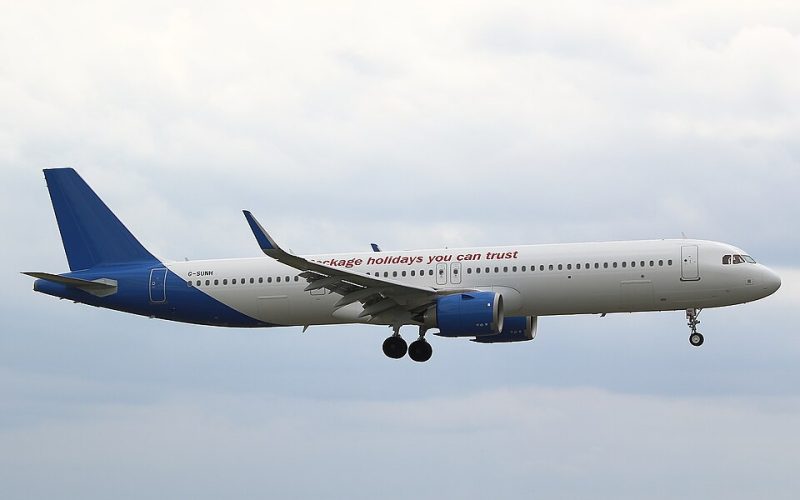
Air India Flight 171, a Boeing 787 bound for London Gatwick, crashed into a medical college hostel in Ahmedabad seconds after takeoff on 12 June 2025. All but one of the 242 people on board were killed, along with 19 people on the ground, a total of 260 deaths.
Among the passengers were 53 British nationals, including the sole survivor, according to Wikipedia. The UK’s Air Accidents Investigation Branch sent investigators to support the Indian inquiry.
What the Preliminary Report Found
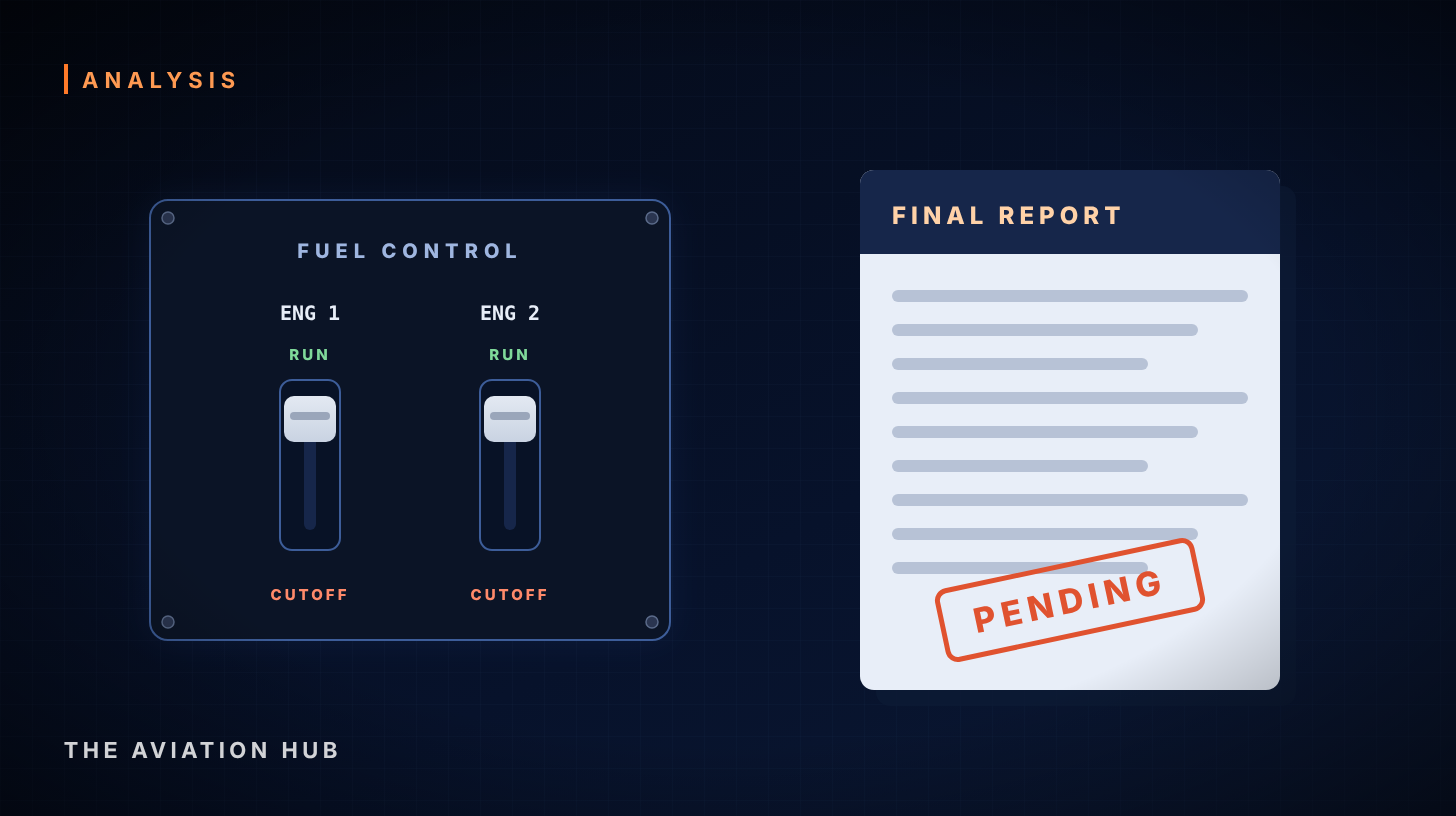
India’s Aircraft Accident Investigation Bureau published its preliminary report a month after the crash. It found that both engines’ fuel control switches moved from RUN to CUTOFF, one second apart, about three seconds after the aircraft left the ground, according to AeroCorner.
The switches were returned to RUN about 10 to 14 seconds later. The left engine began to recover and the right engine relit, but it could not regain enough thrust in time.
The cockpit voice recording captured one pilot asking the other why he had cut off the fuel, and the other saying he had not. The report did not say which pilot said what, and it did not explain why the switches moved. That is the central question the final report must answer.
Why the Report Is Late
The deadline has already slipped. In July, the government told the Supreme Court that the final report would be ready by mid September, or by the end of October at the latest, AeroCorner reports. October passed without it.
Part of the delay is procedural. Under international rules, a draft final report must be shared with the other countries involved for comment. That includes the United States, whose National Transportation Safety Board is advised by Boeing, GE and the Federal Aviation Administration, and the UK, so the public may have to wait longer than three weeks.
The Legal Challenge
The case before the Supreme Court was brought by the father of the aircraft’s captain, together with a pilots’ federation, and by the safety charity Safety Matters Foundation. They want an independent, court monitored inquiry.
The investigation bureau has refused to share the cockpit voice and image recordings with any outside committee or the public, citing what it calls an absolute statutory prohibition under India’s accident investigation rules, according to India TV News.
One of the judges said the bureau should have issued an interim report by now, and indicated that the case for an independent inquiry would depend on whether the final findings are well founded and accepted.
Why It Matters
For the families of those who died, the final report is the closest they will come to an official explanation. For the aviation industry, it will show whether any changes are needed to the Boeing 787, its fuel control switches or cockpit procedures, and whether the safety recommendations made so far go far enough.
The Bottom Line
The Air India crash report is now promised within weeks, 17 months after Flight 171 was lost. Its key task is to explain why both fuel switches moved to CUTOFF moments after takeoff.
With the report already late and a legal challenge pending, the pressure on India’s investigators is intense. For the families in Britain and India, the wait is not over yet.
Continue to follow The Aviation Hub for more analysis and insight.
Advertise with us Your brand, in front of an aviation audience Home page and in-article placements, sold directly, one advertiser per slot. From £250 a year. See the rates