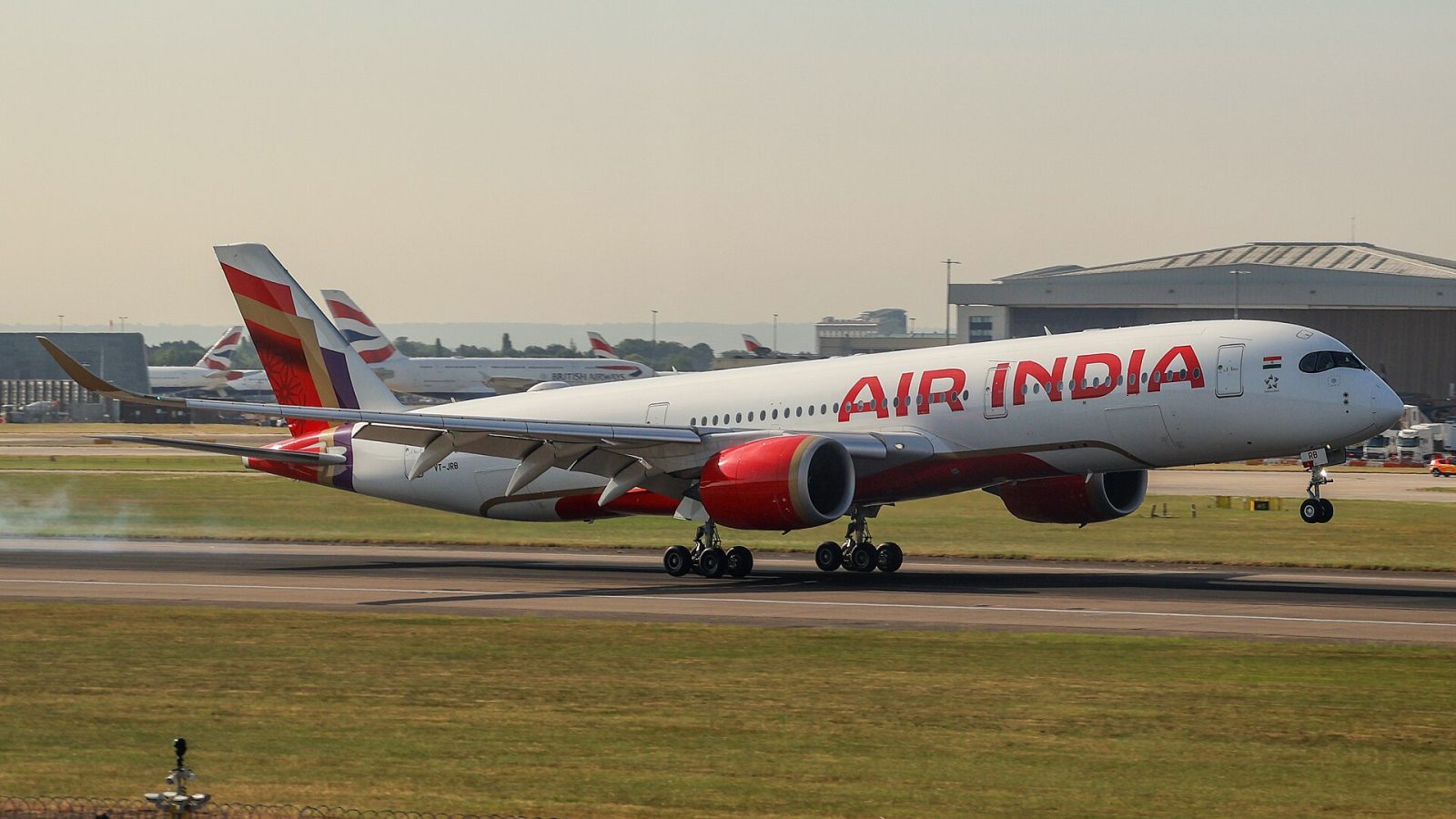
Air India's widebody expansion plans were confirmed publicly for the first time by the carrier's new CEO, who used the Aviation India 2026 summit, held in Delhi on 3 November, to announce that the Air India widebody orderbook would be growing.
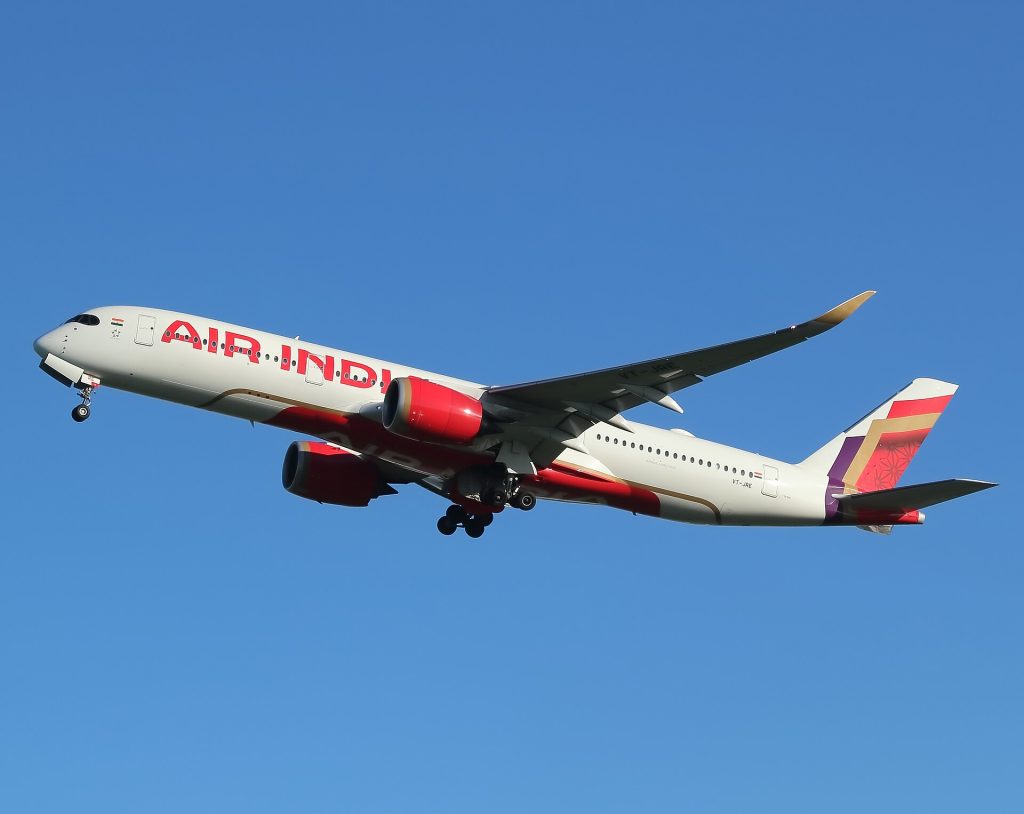
Tewolde Gebremariam told the summit: "We want to increase our widebody aircraft order." The statement signals that Air India's fleet transformation, already one of the largest procurement programmes in commercial aviation history, is not yet complete.
Where the Air India Widebody Orderbook Stands Today
According to BusinessLine as carried by Aviation A2Z, Air India's current widebody commitments stand at 80 aircraft, comprising 50 Airbus A350s, 20 Boeing 787s and 10 Boeing 777Xs. The origins of that programme date to February 2023, when BusinessLine reported Air India placed orders for 470 aircraft, among them 40 A350s, 20 787s and 10 777Xs. The A350 portion subsequently grew to 50 after an additional 10 were added in December 2024, BusinessLine reported.
Any additional widebody commitments would sit on top of that existing 80-aircraft block. You can explore Air India's fleet and order pipeline using our Airline Search.
The Man Behind the Plan
Aviation Week: air transport reported that Gebremariam joined Air India in late August 2026, replacing Campbell Wilson in the top role. He arrives with a strong long-haul pedigree: Aviation Week: air transport also reported that he spent 11 years at the helm of Ethiopian Airlines, departing in 2022.
The new CEO steps into a challenging situation at the airline. According to Aviation Week: air transport, the combined net loss recorded by Air India and Air India Express reached in excess of 220 billion Indian rupees ($2.3 billion) for the fiscal year that ended on 31 March, as stated in Tata Group's annual report. The financial strain is further complicated by the operational disruption that the closure of Pakistani airspace has caused Air India.
Competing for India's Long-Haul Market
Gebremariam's public remarks pointed to a clear commercial priority. Aviation A2Z reports that he told the summit: "Right now, our immediate focus is to regain market share from the competition on India to the rest of the world."
That competition is intensifying from multiple directions. We recently reported on Emirates bringing the A380 to Delhi and eyeing wider India expansion, a move that underlines how attractive the India market looks to established long-haul carriers. The wider regional picture has also been unsettled: our earlier analysis of how the Iran war is affecting Qatar Airways shows how geopolitical disruption is redrawing network economics across the region.
The Bottom Line
Additional widebody orders would deepen Air India's long-haul capacity and signal confidence in the Tata Group's turnaround plan, even as the airline absorbs significant losses. Gebremariam's opening public position suggests an appetite for scale rather than consolidation. Whether the orderbook expands through existing frame types or introduces new variants remains to be confirmed by the airline.
The summit appearance also served a broader purpose. Gebremariam pointed to India's structural opportunity, noting that "India can be a global hub if we do the right thing at the right time." For a carrier trying to rebuild its international standing, that framing matters as much as any order announcement.
This article draws on reporting by Aviation Week: air transport and Aviation A2Z.
Continue to follow The Aviation Hub for more analysis and insight.
Advertise with us Your brand, in front of an aviation audience Home page and in-article placements, sold directly, one advertiser per slot. From £250 a year. See the rates