Airbus A321neo Defect: What 500 Affected Jets Means
 By The Aviation Hub
6 min read
Updated September 29, 2026
By The Aviation Hub
6 min read
Updated September 29, 2026 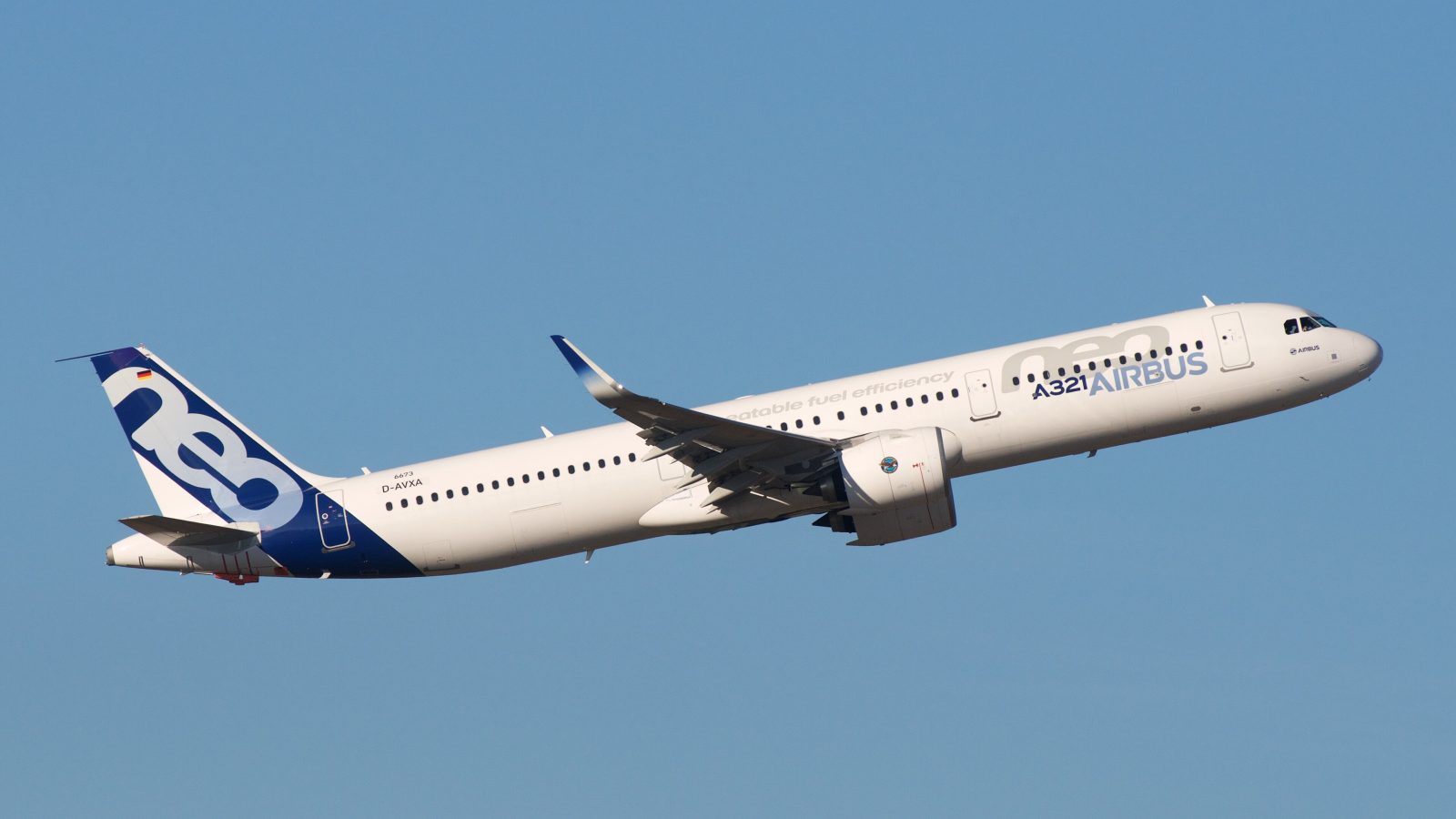
Airbus has confirmed a new quality defect on its best selling A321neo. The problem affects around 500 aircraft. Roughly 250 are already flying with airlines.
The other 250 sit at various stages of production across Airbus sites in Europe, the United States and China.
The manufacturer insists this is a quality issue rather than a safety issue. Aircraft can keep flying. However, the timing could hardly be worse.
Airbus is chasing an ambitious delivery target in the final months of 2026, and every hour of rework now counts.
What Airbus Found Inside the A321neo
The defect sits in the lower forward fuselage.
Specifically, it involves the stringers, the long structural members that run along the fuselage and stop the skin from buckling.
According to The Air Current, which first reported the story, an undisclosed Tier 2 supplier applied insufficient surface protection to these parts.
Gulf News reported that the problem stems from an Italian supplier applying the wrong primer coat. Airbus has not publicly named the company.
In simple terms, the stringers carry less corrosion protection than the design requires.
Corrosion does not happen overnight.
As a result, the risk is long term rather than immediate.
Euronext reported that Airbus discovered the issue over the summer and only received the analysis results recently. The A321XLR is not affected.
Airbus Says It Has Contained the Problem
Airbus says it has identified and contained the source.
It also says a remedy exists. Newly coated components now meet the required specification, and the fix does not require engineers to remove any stringers.
That last point matters. Removing structural members from a finished fuselage would be a major job.
Instead, the rework looks more like inspection and reapplication of protection.
Customers are still taking deliveries without advance repairs.
Meanwhile, Airbus has told operators there is no immediate requirement to repair aircraft already in service.
Still, European regulators could issue a directive that sets a deadline for the work. If that happens, 250 in service jets will need hangar slots over the coming years.
Delta Air Lines, one of the largest A321neo customers in North America, said it would “always take action to meet or exceed operator recommendations and regulator directives.”
The Second Airbus Fuselage Defect in Nine Months
This is not an isolated event.
In December 2025, Airbus disclosed a separate fuselage quality problem linked to panel thickness.
That issue contributed to delivery delays at the time.
Two fuselage defects in nine months tell a story.
The supply chain remains stretched. Suppliers further down the chain, the firms most passengers never hear about, face enormous pressure to keep pace with rising production rates.
We explored that pressure in detail when we asked why Airbus is struggling to deliver enough aircraft.
The underlying problem has not changed. Airbus can sell aircraft far faster than its suppliers can build the parts.
Can Airbus Still Hit Its 2026 Delivery Target?
Airbus has kept its 2026 guidance of around 870 commercial deliveries.
According to Gulf News, it handed over 475 aircraft between January and August.
That leaves roughly 395 deliveries for the final four months.
In other words, Airbus needs to average close to 100 aircraft a month from September to December.
Year end surges are normal for the manufacturer, and December is traditionally its busiest month by far.
Even so, 100 a month is a steep climb.
The A321neo defect adds another variable.
Around 250 aircraft in production need rework before delivery. Some of that work will slot into existing processes.
However, any extra time on the line eats into a very tight schedule.
The Air Current warned the issue will put pressure on medium term deliveries, even if the 2026 guidance survives.
Investors noticed. Airbus shares fell more than 1% in early trading after the news broke.
Why the A321neo Matters So Much to Airbus
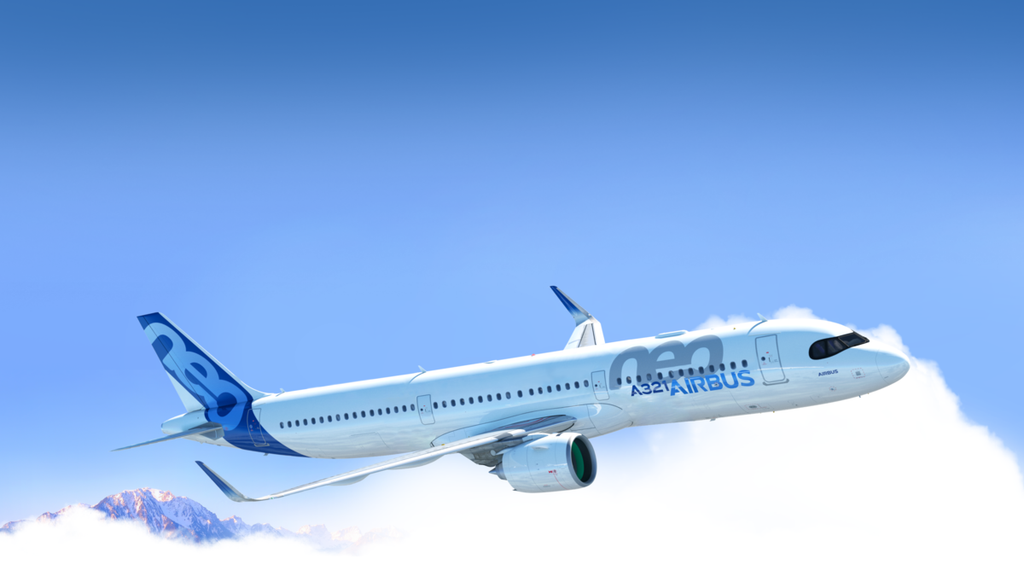
The A321neo is not just another aircraft in the catalogue.
It is the best selling single aisle jet in the industry. It seats up to 244 passengers and flies up to 4,000 nautical miles.
Airlines use it for everything from dense European shuttles to transatlantic routes.
Airbus also wants to raise single aisle production to 75 aircraft a month, up from roughly 60 today.
The A321neo sits at the heart of that plan. Because airline demand has shifted towards the larger variant, it now makes up a growing share of the backlog.
Wing production at Broughton in North Wales is central to that ramp up.
We covered this recently in our look at why the Broughton Airbus plant is more important than ever.
Every link in the chain, from UK wings to Italian primer, has to work at the same time.
What the Defect Means for Airlines
For airlines, the defect arrives at a painful moment. Jet fuel prices have surged since the war with Iran began in late February 2026.
Al Jazeera reported prices rising by more than 80%, and airlines have cut millions of seats as a result.
In that environment, fuel efficient new aircraft are worth more than ever.
Every late A321neo means an older, thirstier aircraft stays in service for longer.
Therefore, any slippage in deliveries carries a direct cost for operators.
Airlines with affected aircraft already in service face a different question.
If regulators set a repair deadline, they will need to schedule the rework around heavy maintenance checks.
That is manageable over several years. However, it adds cost and complexity for carriers already juggling tight fleet plans.
Is This a Safety Concern for Passengers?
Put simply, no. The manufacturer, the reporting so far and the absence of any grounding all point the same way.
Passengers flying on an affected A321neo today face no additional risk.
The concern is durability.
Without the correct protection, corrosion could develop sooner than expected over the life of the aircraft.
That is exactly the kind of issue maintenance programmes exist to catch. Moreover, the fix is known and available.
The Bigger Picture for Airbus
Airbus remains in a strong commercial position.
Its order book is enormous. Boeing, meanwhile, still faces its own regulatory scrutiny, including the FAA review of a Boeing 737 MAX software flaw we reported this week.
Still, Airbus cannot afford a pattern.
One fuselage defect is a supplier problem.
Two in nine months starts to look like a systemic weakness in supply chain oversight.
Customers who ordered aircraft years ago want certainty above all else.
The final quarter will show whether Airbus can absorb this setback quietly.
If it hits 870 deliveries, the A321neo defect will become a footnote. If it falls short, this week’s announcement will be one of the reasons why.
Continue to follow The Aviation Hub for more analysis and insight!
Advertise with us Your brand, in front of an aviation audience Home page and in-article placements, sold directly, one advertiser per slot. From £250 a year. See the rates