Airbus A350 Carbon Fibre Fuselage: Why Repairs Take So Long
Repairing the Airbus A350's composite fuselage is uniquely complex, and a single hard landing can ground one of aviation's most advanced jets for months.
 By The Aviation Hub
5 min read
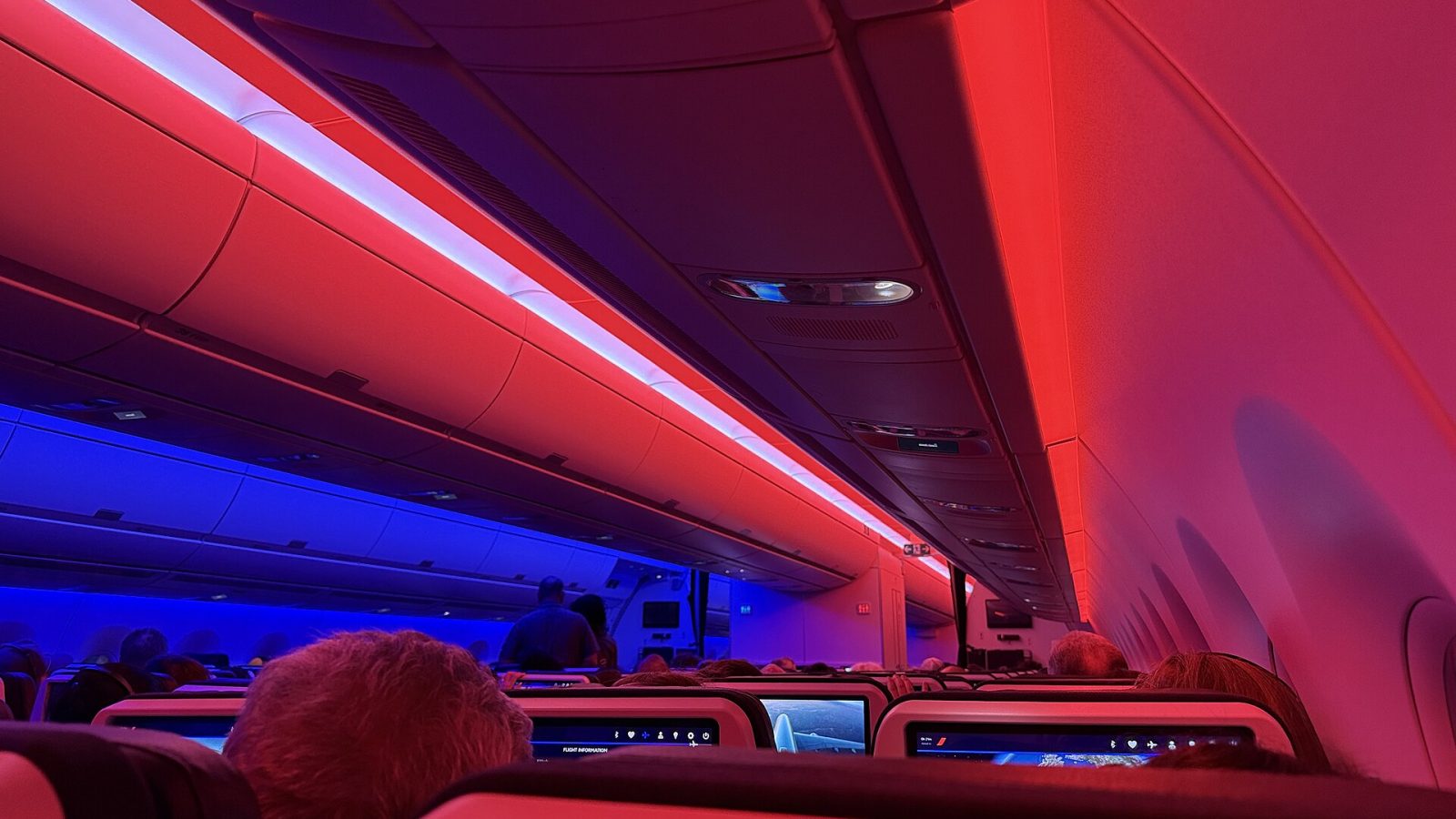
The Airbus A350 is widely regarded as one of the most advanced commercial aircraft flying today, but its carbon fibre composite fuselage brings a maintenance challenge that airlines are increasingly having to confront: serious composite damage can ground the jet for months at a time.
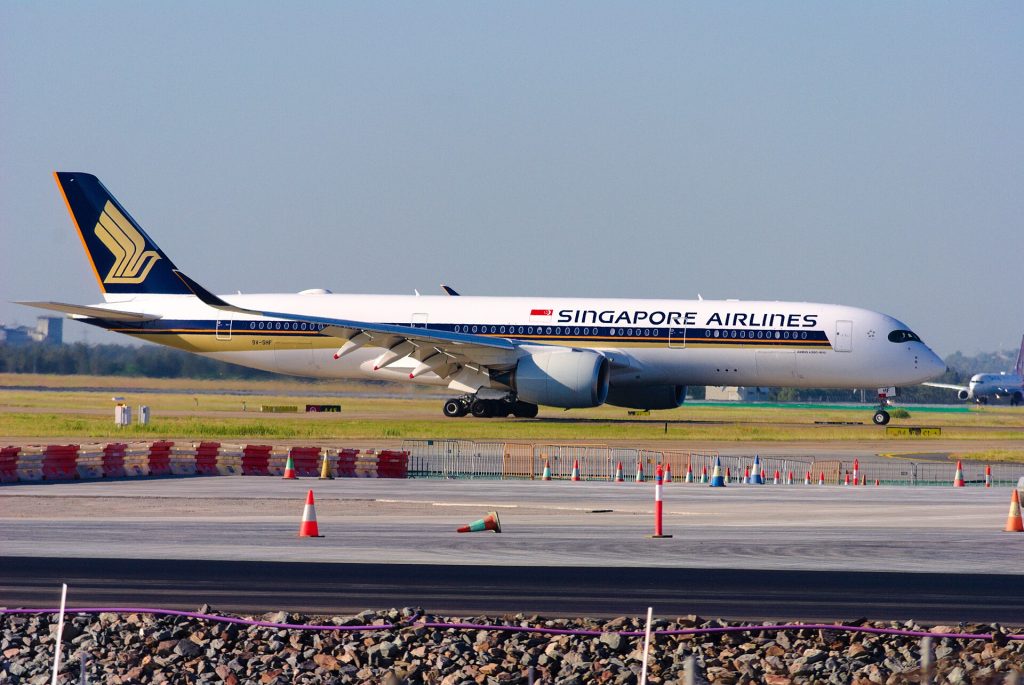
What Makes the A350's Fuselage Different
Unlike conventional aluminium-skinned aircraft, the A350 uses carbon fibre reinforced polymer (CFRP) for the overwhelming majority of its airframe. According to Simple Flying, this is central to why repairs are so difficult and why airlines fear composite damage in a way they simply do not fear a dented aluminium skin.
Aluminium is forgiving. It dents visibly and can often be repaired relatively quickly using well-established techniques. Carbon fibre composite behaves very differently, and assessing the true extent of damage requires specialist equipment and expertise that is not available at every maintenance base around the world.
Why Composite Damage Is So Hard to Assess
One of the core difficulties with CFRP is that the damage is not always visible to the naked eye. An impact that leaves only a small surface mark can cause extensive internal delamination, where layers of the composite material separate from one another. That hidden damage can compromise the structural integrity of the fuselage without any obvious outward sign.
This means airlines cannot simply look at the aircraft and decide whether it is safe to fly. Detailed non-destructive testing, using techniques such as ultrasonic inspection, is required before any repair decision can be made. That process takes time and specialist facilities.
The Hard Landing Problem
Simple Flying highlights one scenario that illustrates the problem particularly well: a hard landing. A hard landing that might cause superficial damage to an aluminium-skinned aircraft can, on the A350, require a lengthy structural investigation before the aircraft is cleared to return to service.
Because the loads transmitted through the fuselage during a hard landing are substantial, engineers must assess not just the landing gear attachment points but potentially large sections of the lower fuselage structure. If internal delamination is found, the repair itself can be a slow and painstaking process.
The result, in some cases, is that an A350 can remain out of service for months following a single event. For an aircraft that commands premium utilisation rates on long-haul routes, that is a significant operational and financial penalty for any airline.
What a Repair Actually Involves
Repairing a composite structure is not analogous to patching a metal skin. Composite repairs typically require applying new layers of CFRP material in carefully controlled conditions, often using heat and pressure to cure the repair properly. The repair must then be inspected and certified before the aircraft can return to service.
Not every maintenance, repair and overhaul (MRO) facility in the world is equipped or certified to carry out major composite structural repairs. Airlines operating the A350 on routes far from their main maintenance hubs can therefore face an additional complication if a significant damage event occurs away from home base.
How Airlines and Airbus Manage the Risk
Airbus provides detailed repair manuals and technical support for A350 operators, and the MRO industry has invested heavily in composite repair capability since the aircraft entered service. However, the fundamental physics of composite repair, the need for controlled curing conditions, specialist inspection and certified technicians, mean that major repairs will always take longer than equivalent metal repairs.
Airlines have responded by being cautious about operating A350s in conditions that increase the risk of ground damage, and by ensuring their maintenance contracts include access to composite repair expertise. The fear of serious composite damage, as Simple Flying notes, is a genuine operational consideration for A350 operators.
The issue is relevant beyond the A350 alone. The Boeing 787 Dreamliner also uses a composite fuselage, and similar repair considerations apply across the widebody composite aircraft category.
The Airbus A350 in Service: A Growing Fleet
None of this has dampened appetite for the aircraft. Delta Air Lines, for example, is planning to introduce Airbus A350-1000s on routes including flights to Seoul from its hubs at Atlanta and Detroit, according to Simple Flying. We have also been tracking Delta's expanding international network, including the delayed launch of its Atlanta to Riyadh service.
The A350 family's range, fuel efficiency and passenger comfort keep it in high demand. The repair challenge is a known cost of operating composite widebodies, and airlines factor it into their maintenance planning rather than walk away from the aircraft's considerable advantages.
For readers who want to explore the A350's specifications and operator list in more detail, the Aircraft Search tool on this site is a useful starting point.
The Bottom Line
The Airbus A350's carbon fibre fuselage is a genuine engineering achievement that delivers real benefits in fuel burn and structural efficiency. Those benefits come with a maintenance trade-off: composite damage is harder to detect, harder to assess and slower to repair than equivalent damage to a metal airframe.
For airlines, the practical consequence is clear. A hard landing or a significant ground impact can take an A350 out of service for an extended period, and access to specialist composite repair capability is not universal. As the A350 fleet grows and ages, the industry's ability to manage composite repairs quickly and cost-effectively will become an increasingly important competitive factor for MRO providers and airlines alike.
Continue to follow The Aviation Hub for more analysis and insight.
Advertise with us Your brand, in front of an aviation audience Home page and in-article placements, sold directly, one advertiser per slot. From £250 a year. See the rates