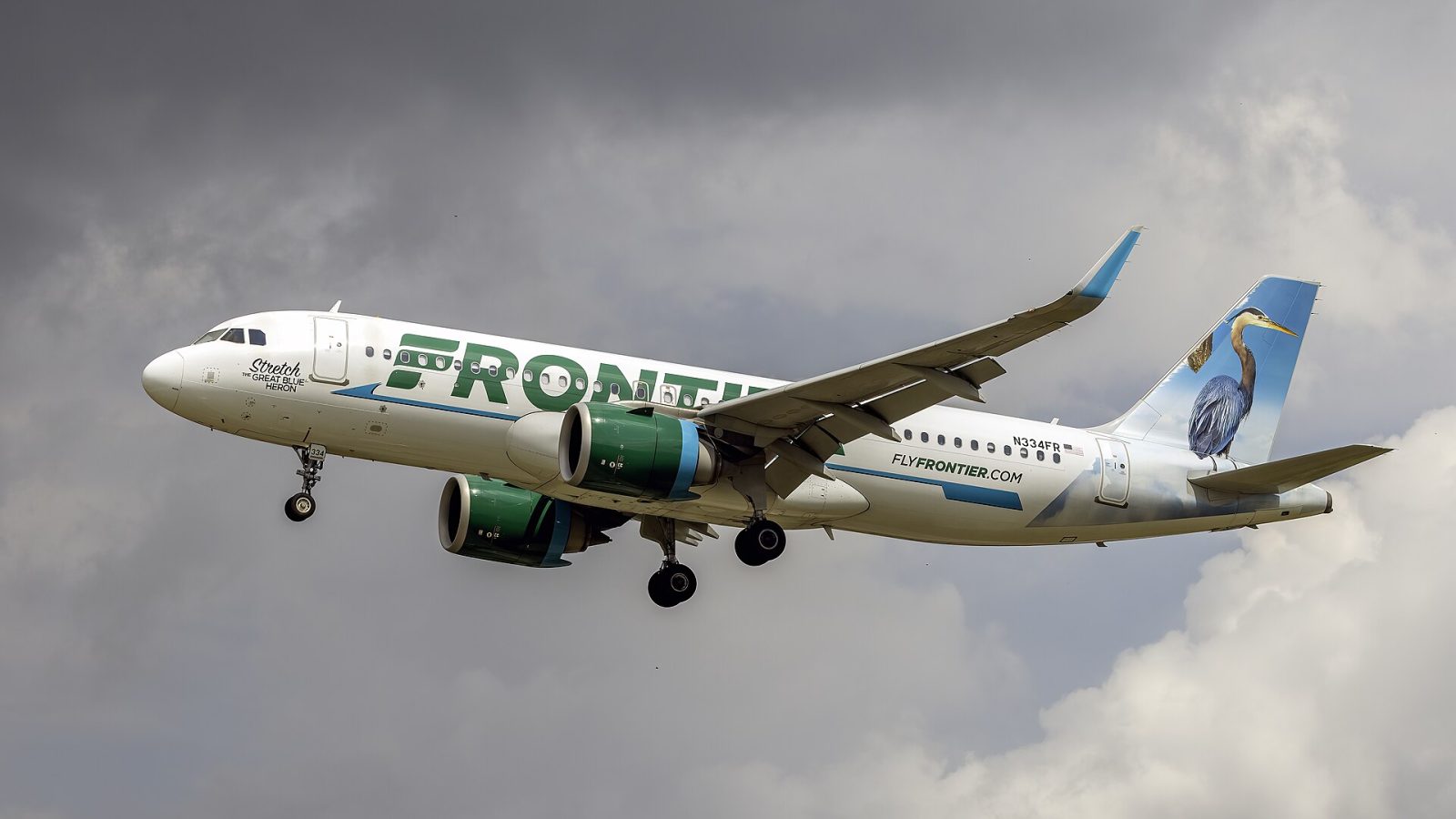
The A320neo supply chain question is as sharp as it has ever been: Airbus has ten final assembly lines across four countries, its order book for the type is sold out through 2032, and the target rate of 75 aircraft per month is unchanged. Yet as of early 2026, Airbus and Pratt & Whitney had not reached a supply agreement for the year, three months into it. The gap between ambition and execution is worth examining carefully.
How Far Airbus Still Has to Go
By the end of 2027, Airbus is targeting a production rate of between 70 and 75 A320 Family aircraft per month, with plans to hold steady at 75 thereafter. Even that figure may not represent the upper limit of ambition. Leeham News and Analysis reports that the manufacturer has examined a monthly output of 83 aircraft, pointing to meaningful capacity beyond what Airbus has so far stated publicly.
The commercial case for pushing hard is obvious. Leeham News and Analysis reports that production at the 75-per-month rate is already sold out through 2032. When we covered Aviation Capital Group's 75-aircraft A320neo order in October 2026, the scale of lessor appetite for the type was plain. Demand is not the constraint.
The Engine Problem at the Heart of the A320neo Supply Chain Bottleneck
The more stubborn constraint sits further up the supply chain, specifically with propulsion. The Air Current reports that Pratt & Whitney's PW1100G engine powers 46 per cent of roughly 4,400 A320neo family aircraft delivered since 2016, and that 72 operators fly more than 2,000 A320neo family aircraft equipped with that engine.
That installed base makes Pratt & Whitney's output central to any ramp-up. The absence of a confirmed supply deal between Airbus and Pratt & Whitney for 2026, reported by The Air Current as still unresolved three months into the year, is a material uncertainty. Without a fixed agreement covering volumes and delivery schedules, neither party can plan the ramp with confidence.
The CFM International LEAP-1A powers the other half of the fleet, and our earlier coverage of Safran's confidence in LEAP engine ramp-up targets is worth noting here. Safran's public stance is that it can meet Airbus's requirements. Even so, the two-engine ecosystem means that a shortfall on either side is enough to constrain total output.
Manufacturer Search can help readers track Airbus's latest programme announcements and delivery data as the ramp-up develops.
Demand Shifts That Complicate the Picture
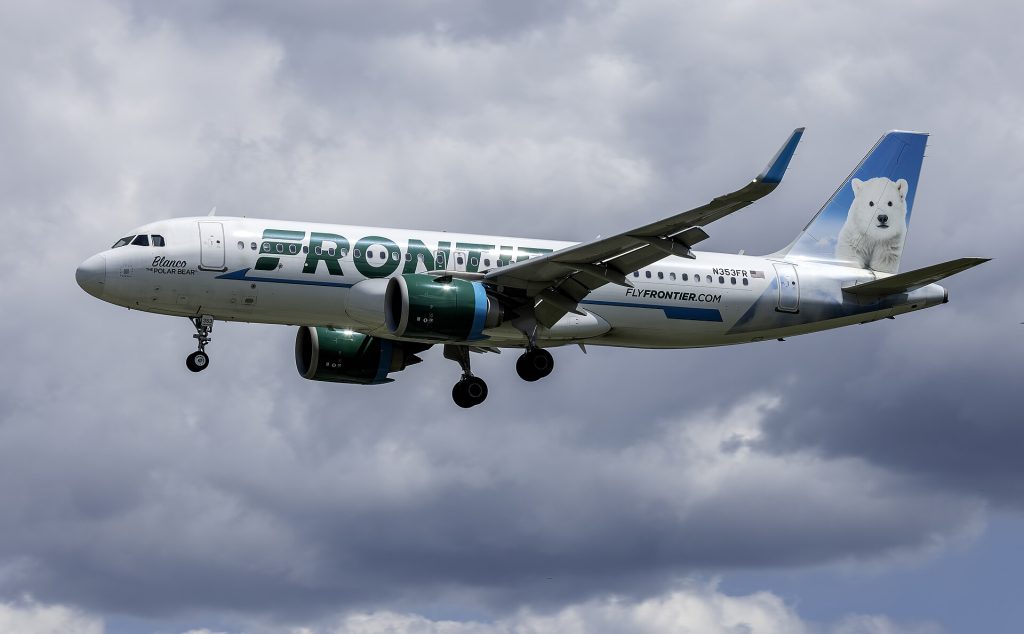
The order book is not a uniform block of firm commitments. Leeham News and Analysis reports that Spirit Airlines collapsed with a large A320neo order outstanding, and that JetBlue and Frontier have deferred deliveries. Slots freed by distressed or deferring carriers can be reallocated to other buyers, and lessors stand ready to absorb them, but each change adds administrative and planning friction to an already stretched programme.
This matters because assembling aircraft faster only helps if airlines are ready to take and finance them on schedule. Deferred deliveries slow the revenue that justifies the capital investment the supply chain needs to expand.
What to Watch
Three things are worth tracking closely. First, whether Airbus and Pratt & Whitney conclude a 2026 supply agreement and on what terms: the detail of that deal will shape near-term delivery rates more than any factory announcement. Second, whether the 70-to-75 target by end of 2027 holds as Defence Agenda notes it currently stands, or slips. Third, whether the 83-per-month study reported by Leeham News and Analysis moves from internal analysis toward a formal programme commitment.
Our coverage of why the Broughton Airbus plant is more important than ever set out how critical component supply from the UK fits into the wider picture. The assembly lines exist. The order book is full. The A320neo supply chain, not demand and not factory capacity, remains the binding constraint on how quickly Airbus gets to 75.
This article draws on reporting by Leeham News and Analysis, The Air Current and Defence Agenda.
Continue to follow The Aviation Hub for more analysis and insight.
Advertise with us Your brand, in front of an aviation audience Home page and in-article placements, sold directly, one advertiser per slot. From £250 a year. See the rates