A shortage of licensed engineers has pushed pay for B1 and B2 engineers up by around two thirds since 2019, with some airline roles now offering more than £90,000 in the first year. Here is what the aircraft engineer salary in the UK looks like, how the licences work and why demand will not ease soon.
Pilots and cabin crew are the faces of an airline, but no aircraft returns to service after maintenance until a licensed engineer has signed it off. Those licensed engineers are now among the hardest people in aviation to hire, and the aircraft engineer salary reflects it.
That scarcity has transformed pay in the UK. Pay for licensed B1 and B2 engineers rose by about 66% between 2019 and 2025, according to a Royal Aeronautical Society position paper published in March.
How the Licences Work
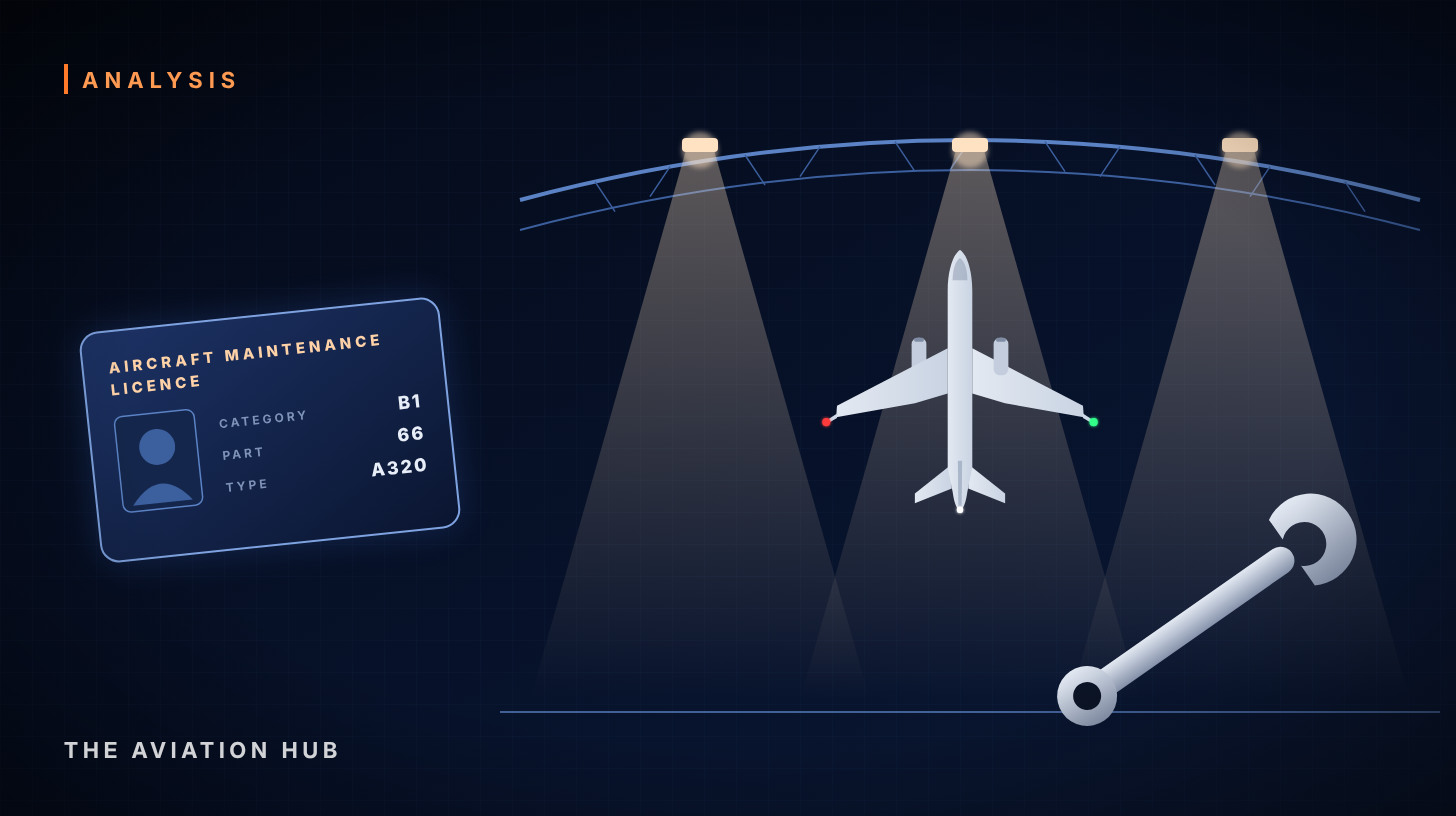
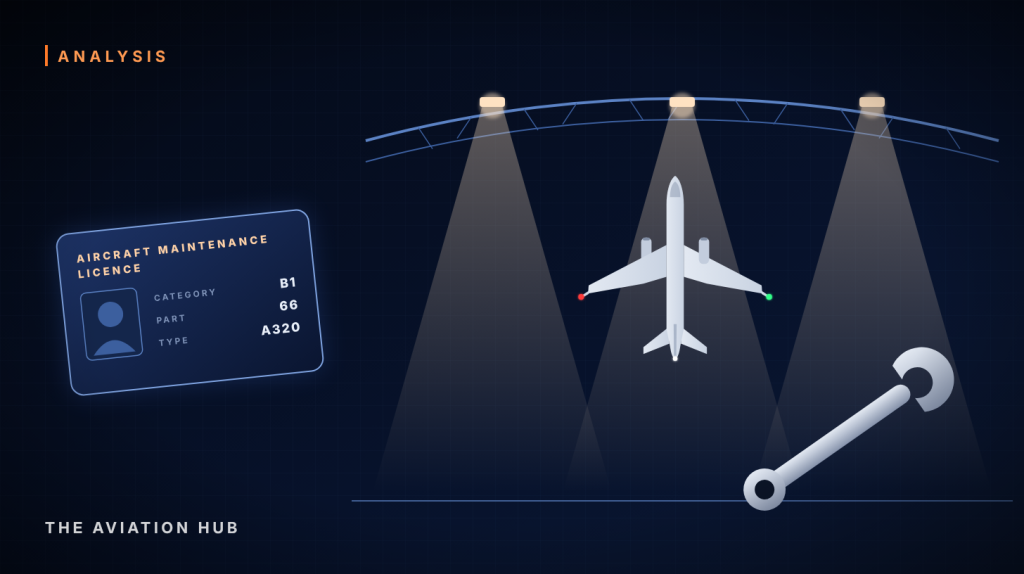
Engineers who certify aircraft as safe to fly hold a Part 66 licence issued by the Civil Aviation Authority. The licence comes in several categories, and the category has a big effect on pay.
A category A licence allows mechanics to certify simple tasks. A B1 licence covers mechanical systems such as engines and airframes, and a B2 licence covers avionics and electrical systems. A category C licence covers sign off after heavy maintenance in a hangar.
Most airline jobs also require a type rating for the specific aircraft, such as an Airbus A320 or Boeing 737. Airlines often pay for type training when they hire.
What Licensed Engineers Earn
Pay at the top of the market is now high. BA CityFlyer is advertising for B1 licensed engineers at London City Airport with pay of up to £92,005 in the first year, including basic salary, night shift allowance and a £3,000 sign on bonus, according to the British Airways careers site.
The package also includes double pay for overtime, private medical insurance and unlimited standby travel on British Airways flights from the first day.
Across the market, advertised salaries for licensed aircraft engineers average about £66,000, according to job site Jooble, although its sample is small. Engineers who work shifts, nights and overtime typically earn well above their basic salary.
Why Engineers Are So Scarce
The workforce is ageing fast. More than half of the UK’s licensed engineers are over 50, and 22% are over 61, according to Civil Aviation Authority data cited by the Royal Aeronautical Society. Only 4% are aged between 18 and 29.
The number of young licensed engineers is falling. Licensed engineers aged under 29 fell by 49% between 2019 and 2026, while apprenticeship registrations in 2024 were 35% lower than in 2019.
The Society’s survey of maintenance organisations projects a shortfall of 558 licensed engineers, which it describes as a conservative estimate. More than half of the companies surveyed reported lost revenue, with losses estimated at about £79 million a year.
Many licence holders are not even in Britain. The paper found that 53% of engineers holding UK Part 66 licences are based overseas.
The Long Road to a Licence
Becoming a licensed engineer takes time. A category B engineer takes about eight years to become fully competent, according to the Royal Aeronautical Society, which means engineers starting today will not reach that level until the 2030s.
The usual routes are an apprenticeship with an airline or maintenance company, or a course at an approved training school followed by work experience. Apprentices are paid while they train, which makes the route attractive to school leavers.
Funding is a barrier. The Society says a Level 3 aircraft engineering apprenticeship costs about £36,000 to deliver, against a government funding band of £27,000. Nearly three quarters of the organisations surveyed said they would offer more apprenticeships if that gap were closed.
Diversity and the Talent Gap
The profession has a narrow talent pool. Only 2% of licensed engineers are women, according to the paper. That narrow pool makes the shortage harder to close as experienced engineers retire.
What It Means for Engineers and Airlines
For engineers, the outlook is strong. Pay is likely to stay high while the shortage lasts, and those with B1 or B2 licences and in demand type ratings can choose between airlines, maintenance firms and contract work.
For airlines, the shortage is a growing risk. Without enough engineers, aircraft can be left waiting for checks, which means cancelled flights and lost revenue.
The Bottom Line
The aircraft engineer salary in the UK has risen sharply because there are too few licensed engineers to meet demand. Top airline roles now offer more than £90,000 in the first year, and pay for B1 and B2 engineers is up by around two thirds since 2019.
With half the workforce over 50 and training taking up to eight years, the shortage will not be solved quickly. For anyone considering a technical career in aviation, few roles offer such strong demand and job security.
Continue to follow The Aviation Hub for more analysis and insight.
Advertise with us Your brand, in front of an aviation audience Home page and in-article placements, sold directly, one advertiser per slot. From £250 a year. See the rates