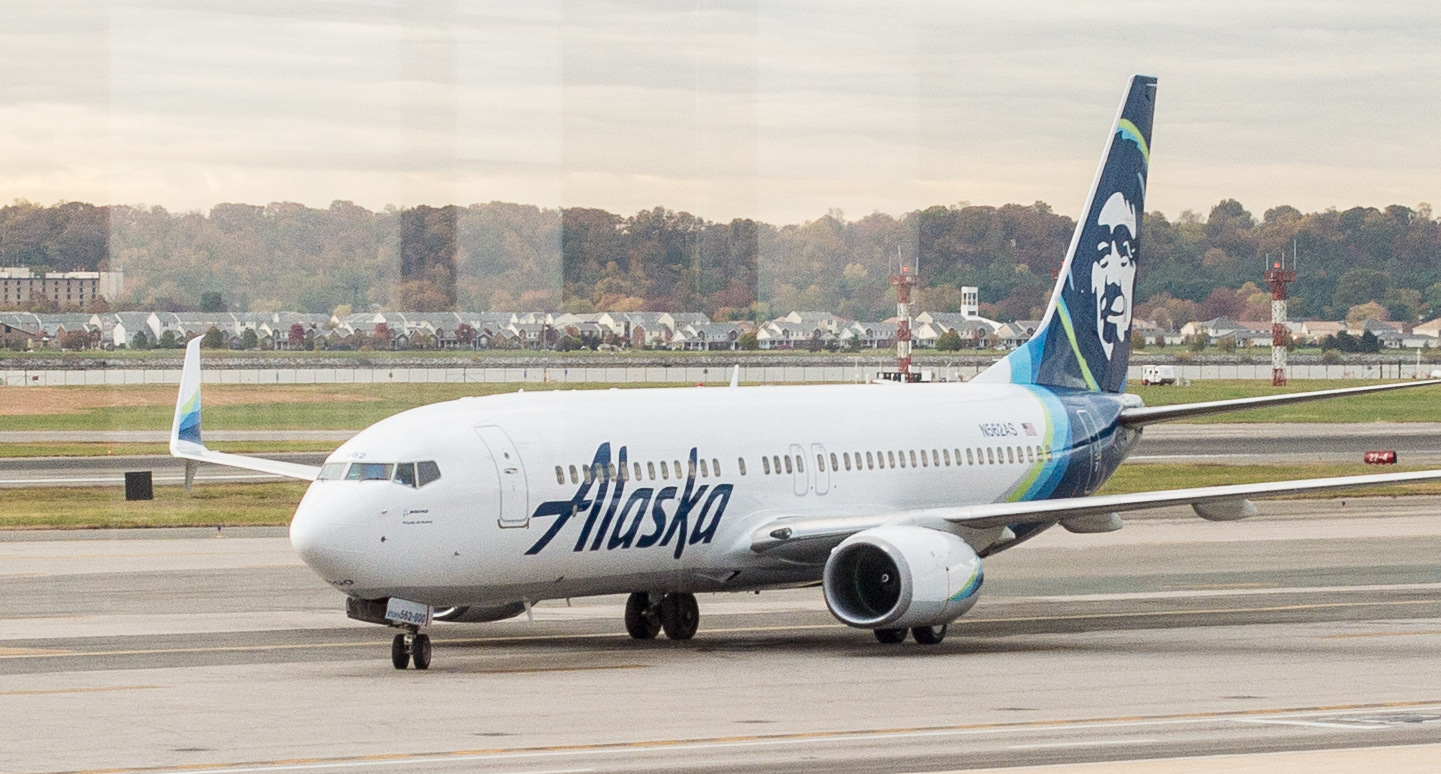
Alaska Airlines Flight AS1386 encountered an unusual cabin odour shortly after departing Portland on 24 October 2026, leaving one flight attendant with a slight headache before the aircraft landed normally at Hollywood Burbank Airport.

The incident is a reminder that cabin air quality events, however minor in outcome, carry real consequences for crew welfare. No emergency was declared, no diversion was made and the flight reached its intended destination without further medical concern.
What Happened on Alaska Airlines Flight AS1386
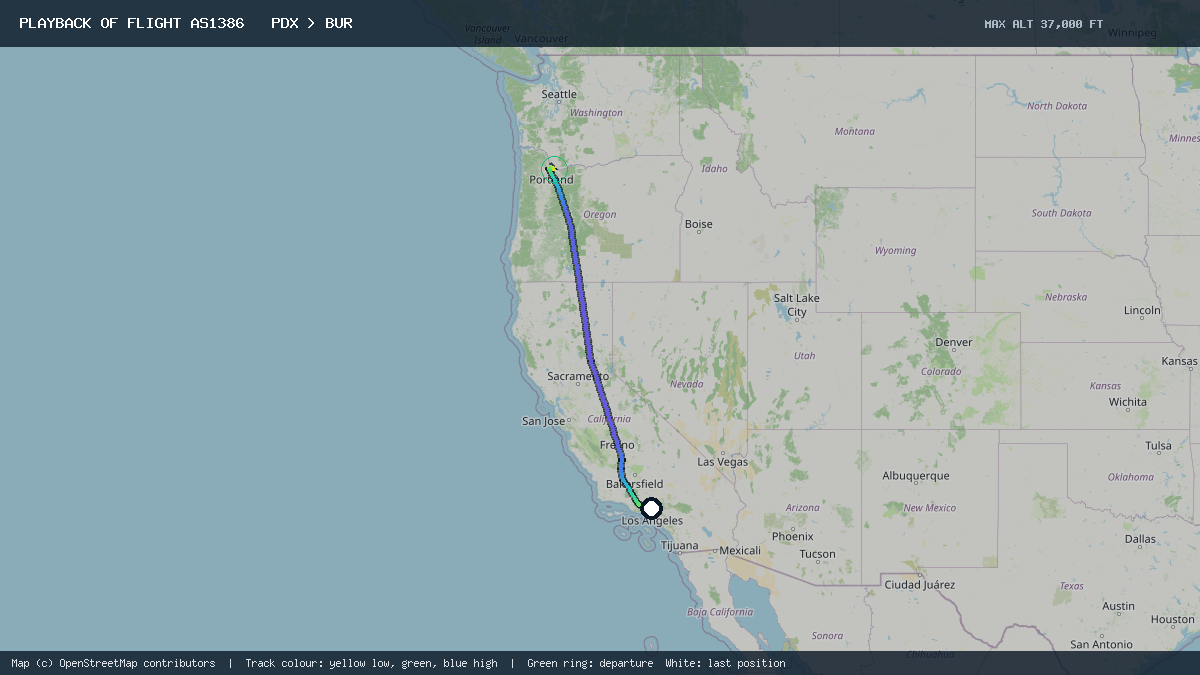
According to Aviation A2Z, the flight pushed back from Gate 7 at Portland International Airport (PDX), with wheels up from Runway 28L at 2:55 p.m. Pacific Daylight Time. A cruising altitude of 35,000 feet had been planned for the sector.
Shortly after takeoff, the crew noticed an unusual smell near the rear of the cabin. The odour was described as resembling dirty socks. One flight attendant developed a slight headache that was attributed to the smell.
FAA records show that N589AS is a Boeing 737-890 that rolled off the production line in 2007. The aircraft touched down on Runway 08 at Hollywood Burbank Airport (BUR) without further incident, and the incident report confirms that no additional injuries were recorded and no medical transports were needed on arrival.
What the Incident Report Confirms
The incident report is clear on what is not yet established. The source of the odour was not confirmed, and there is no confirmed information on whether maintenance was carried out on N589AS after landing.
Our Squawk 7700 hub carries the live emergency board and incident archive for events of this kind. No Squawk 7700 was declared during this flight, and the crew did not issue a mayday or pan-pan call.
Why Cabin Odour Events Matter
Unusual smells in aircraft cabins are taken seriously by airlines and regulators because they can indicate a range of mechanical conditions that are not always immediately visible or measurable. The "dirty socks" description is a term that appears in several documented cabin air quality reports, typically associated with contaminated bleed air or other system anomalies, though no cause has been identified in this case and we do not speculate on what produced the smell aboard AS1386.
The fact that only one crew member reported a symptom, and that the symptom was mild, suggests the exposure was limited. However, any crew member illness linked to an in-flight odour warrants a proper engineering review before the aircraft returns to service. Whether that review took place here is not confirmed.
The Aircraft
You can find further details on this airframe using our Aircraft Search tool. N589AS is a Boeing 737-890, the passenger variant of the 737 Next Generation family, and has been in service since 2007. It is part of a fleet that is distinct from the Boeing 737 MAX series, on which we have reported extensively: the Boeing 737 MAX 10 received FAA certification on 21 October 2026, days before this incident occurred.
The Bottom Line
Alaska Airlines Flight AS1386 completed its journey from Portland to Burbank without diversion or declared emergency. One flight attendant's headache was the only reported health consequence of the cabin odour, and no passengers required medical attention on arrival.
The open questions, chiefly whether the aircraft was inspected and what produced the smell, mean the story is not fully closed. We will update our coverage if Alaska Airlines or investigators release further information.
Continue to follow The Aviation Hub for more analysis and insight.
Advertise with us Your brand, in front of an aviation audience Home page and in-article placements, sold directly, one advertiser per slot. From £250 a year. See the rates