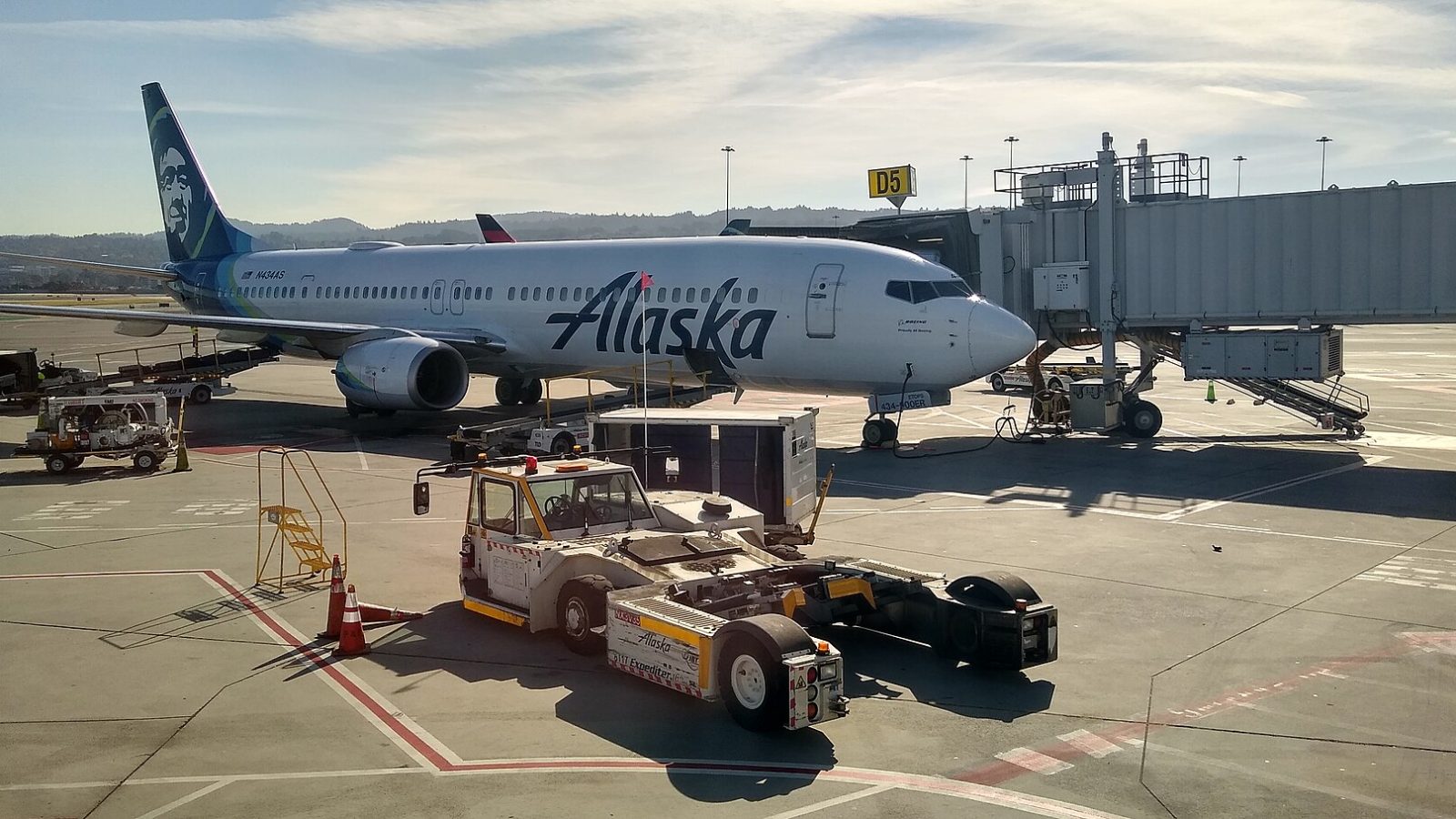
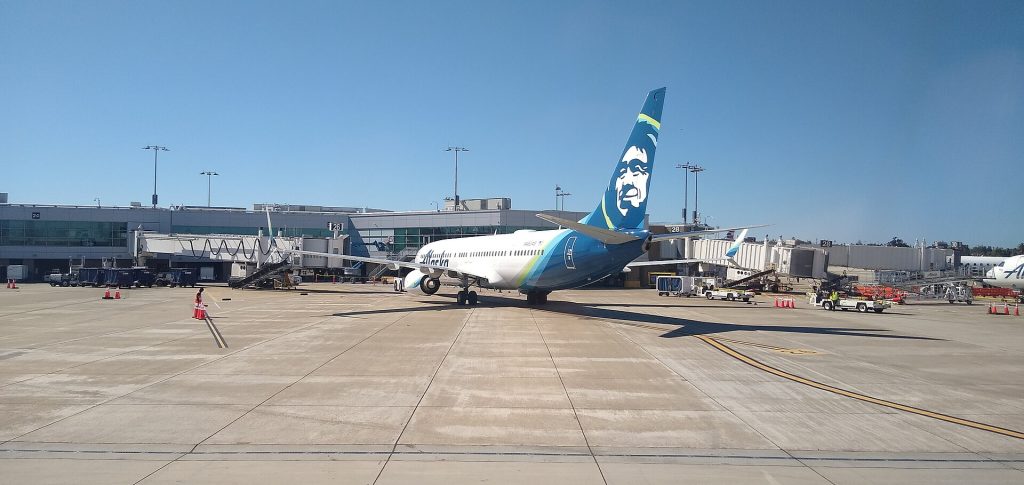
Alaska Airlines is laying off approximately 200 employees as the carrier faces mounting pressure from high jet fuel costs and forecasts a loss for the full year. The cuts fall entirely on back-office and management roles, leaving frontline operations untouched.
Who Is Affected
According to Skift and Airline Geeks, the cuts are limited to administrative and management roles. Operational staff, including pilots, flight attendants, ramp agents and maintenance technicians, will be unaffected, Skift reports.
In terms of geography, 48 employees based in Hawaii will lose their roles, according to Skift and Airline Geeks. The Washington state figure differs between sources: Skift puts it at 148 employees, while Airline Geeks reports 125.
The Honolulu Star-Advertiser reported, as cited by Airline Geeks, that affected staff will depart on 13 November but continue to receive pay through to the end of the year.
The Alaska Airlines Financial Picture
High jet fuel costs are the primary financial pressure cited behind the decision, according to both Skift and Airline Geeks. Skift reports that Alaska has recorded $416 million in losses over the past nine months of the year.
As the Honolulu Star-Advertiser reported, and as cited by Airline Geeks, chief executive Ben Minicucci has cautioned that the full-year loss could climb to $700 million. He stated: "If current conditions persist, we could lose as much as $700 million this year, which would be our first adjusted pretax loss outside of the pandemic since 2003."
The scale of that figure would mark a notable moment for the carrier. The Honolulu Star-Advertiser, as cited by Airline Geeks, noted that a loss of that magnitude would represent Alaska's first adjusted pretax loss outside of the pandemic period since 2003.
What Minicucci Said
The chief executive was direct about the external forces at work. "Despite having the right strategy and strong momentum, fuel prices and geopolitical challenges are putting significant financial pressure on our business," Minicucci said, according to Airline Geeks.
The framing is notable: the airline is not attributing the cuts to strategic missteps but to cost pressures largely outside its control. Whether that holds depends on how long elevated fuel prices persist.
Context for Alaska
This is not the only challenging period Alaska Airlines has navigated recently. We covered the carrier's move to join American Airlines' joint ventures in October, a partnership aimed at broadening its network reach. Decisions like that carry long-term logic, but they offer little relief against near-term cost pressures of this scale.
Readers wanting to explore Alaska Airlines' routes and network in more detail can use our Airline Search tool.
The Bottom Line
A potential $700 million full-year loss, if realised, would represent a sharp deterioration for an airline that has otherwise worked hard to position itself as one of North America's stronger mid-size carriers. Cutting 200 back-office roles is a relatively limited response to losses of that magnitude, which suggests the airline is betting on fuel prices easing rather than pursuing deeper structural cuts for now. The coming months will show whether that bet is well placed.
This article draws on reporting by Skift and Airline Geeks.
Continue to follow The Aviation Hub for more analysis and insight.
Advertise with us Your brand, in front of an aviation audience Home page and in-article placements, sold directly, one advertiser per slot. From £250 a year. See the rates