American Airlines Boeing 787 Pilot Quits $300,000 Job: Nobody Replied
A former American Airlines Boeing 787 pilot says he resigned his $300,000-a-year role and received no response from management.
 By The Aviation Hub
4 min read
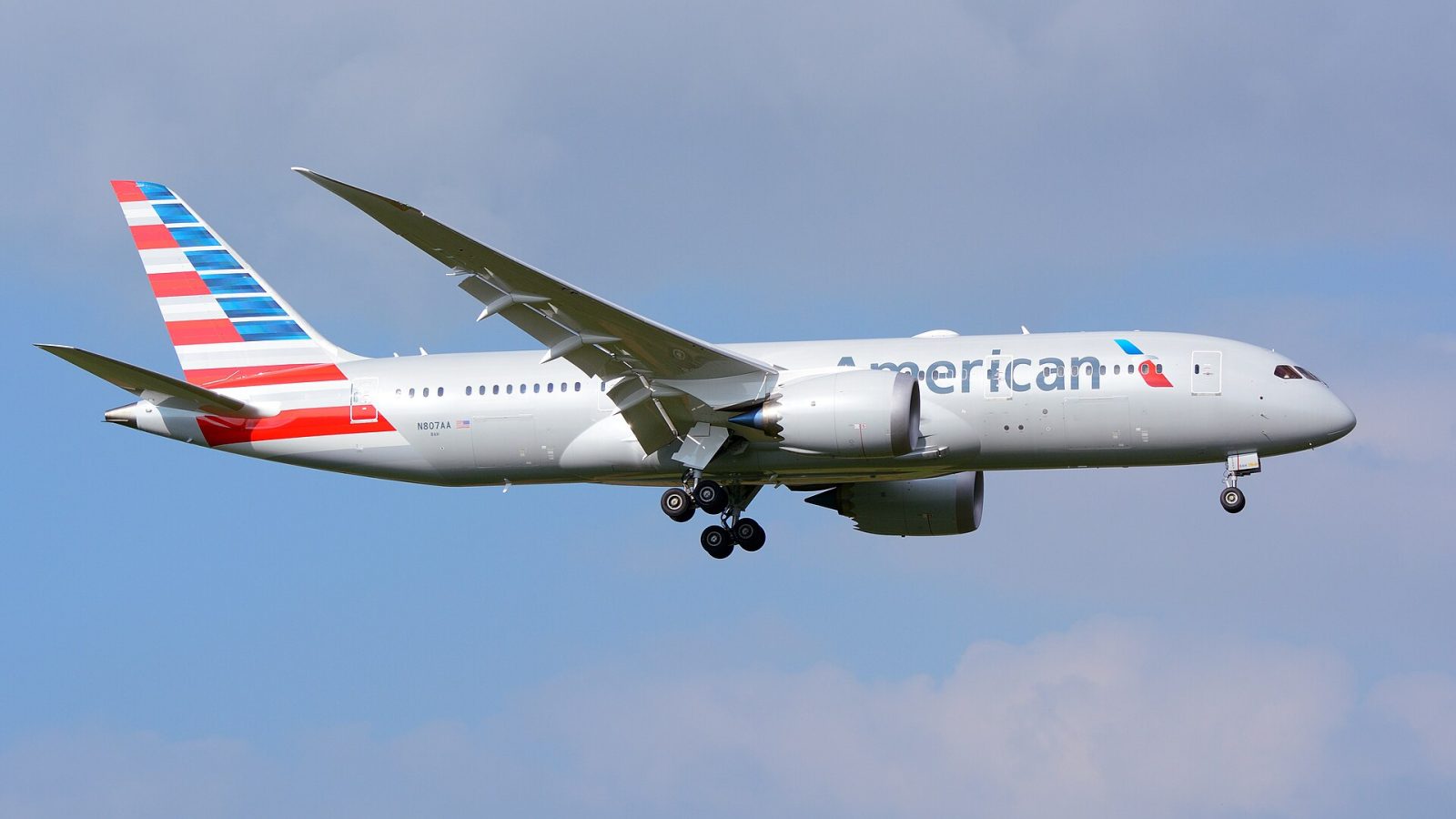
An American Airlines pilot has walked away from a Boeing 787 role paying more than $300,000 a year, saying he emailed his resignation to the Miami chief pilots and received no reply at all. His trips disappeared from his schedule, and his employee login stopped working four days later.
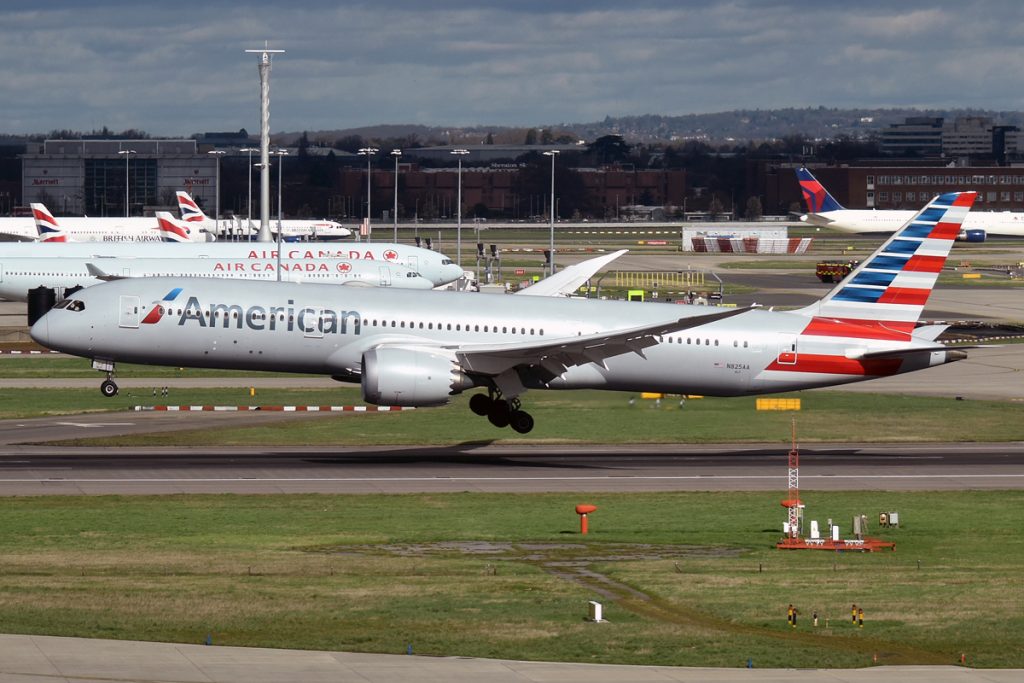
The story, first reported by View from the Wing, has drawn attention not because the departure was dramatic but because of what it says about seniority, lifestyle fit, and the gap between a generous salary and a tolerable working life.
Who Is the American Airlines Pilot
Aviation A2Z identifies the pilot as C.W. Lemoine, who built an extensive military background before joining the airline. He flew F-16 fighter aircraft, Navy F/A-18s and T-38s before moving into commercial aviation.
He is now telling his story partly to promote a book about a burned-out former fighter pilot who leaves the airlines for law enforcement aviation. He currently flies law enforcement helicopters.
A Career That Never Quite Fit
Lemoine lived in New Orleans and wanted to be based at Miami International Airport (MIA). His initial assignment options were both described as New York-based Boeing 737 positions. He eventually secured a Miami base, but commuting there remained a persistent source of frustration.
He was earning more than $300 an hour according to View from the Wing, owned his home outright, carried no debt and had no dependants. The financial position gave him options that many pilots do not have.
The Pandemic Disruption
In 2020, Lemoine had expected to move to the Boeing 757 and 767. American Airlines retired both types during the Covid-19 pandemic, removing the career path he had anticipated.
He then took paid pandemic leave, followed by unpaid leave and personal leave. According to Aviation A2Z, he did not fly for the airline at all between 2020 and 2024. When the airline required him to return to active flying, he came back on the 787.
Long-Haul Flying and the Recovery Problem
Lemoine's central complaint was not pay. It was the physical toll of long-haul flying. He says he did not recover well from overnight flights and spent his days off in a state of recovery rather than enjoying them.
After returning to American Airlines, he went out on medical leave again. He wanted to fly Boeing 777s from Dallas but remained assigned to the 787. What he really wanted was domestic flying, which the widebody long-haul operation could not offer him.
Looking back, he told Aviation A2Z: "That's where I basically screwed up," acknowledging that moving to Airbus narrowbody aircraft using his accumulated seniority could have given him a far more suitable schedule without requiring him to resign.
You can explore the full Boeing 787 fleet and operator details using our Aircraft Search tool.
The Resignation and What Followed
Lemoine emailed his resignation to the Miami chief pilots. He received no reply. His scheduled trips disappeared, and four days later his employee login stopped working.
Aviation A2Z notes that removal of system access after a resignation is a routine administrative and security measure, and does not in itself indicate unusual treatment by the airline. View from the Wing makes a similar observation, describing the complaint about losing access as a standard outcome of any resignation.
Lemoine also says American threatened him over a contract dispute and showed little interest when he finally departed, according to View from the Wing.
The Seniority Trap
The wider significance of the story lies in what seniority means at a major airline. Lemoine was projected to reach approximately number 140 on the seniority list by retirement, according to Aviation A2Z. That position would have given him substantial future control over his schedule, base and aircraft assignments.
Leaving means surrendering all of that and starting at the bottom of any new airline's seniority list regardless of experience. It is a structure that frequently keeps unhappy pilots in roles they no longer want, simply because the cost of leaving is so high.
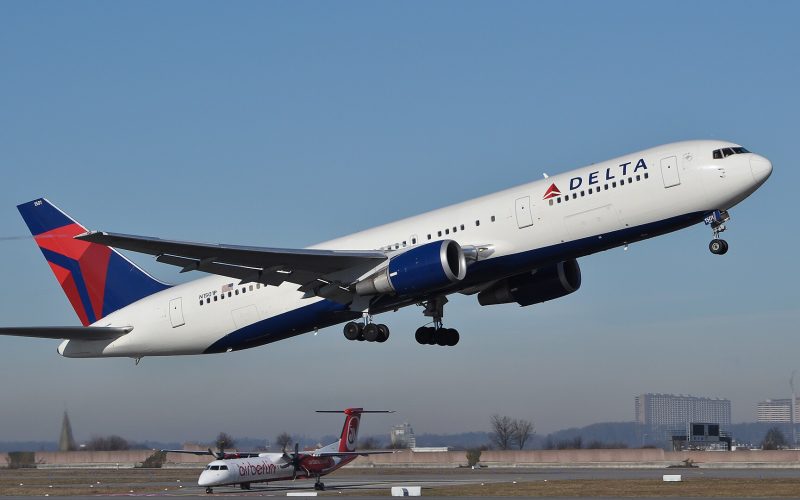
The case also sits within a broader conversation about working conditions. Aviation A2Z notes that in 2023 an American Airlines pilot union leader advised junior pilots to consider applying to Delta Air Lines instead, citing quality-of-life and scheduling concerns.
The Bottom Line
Lemoine's own conclusion is measured. He does not blame the airline entirely. He acknowledges that a different fleet choice, one that he could have made using his own seniority, might have changed everything. The job paid well, and other pilots value it. It simply was not the right job for the life he wanted.
His story is a reminder that at the level of a major airline pilot, the question is rarely whether the salary is sufficient. It is whether the lifestyle that comes with it is one a person can actually live with. He decided it was not, and he got out before seniority made that decision feel impossible.
Continue to follow The Aviation Hub for more analysis and insight.
Advertise with us Your brand, in front of an aviation audience Home page and in-article placements, sold directly, one advertiser per slot. From £250 a year. See the rates