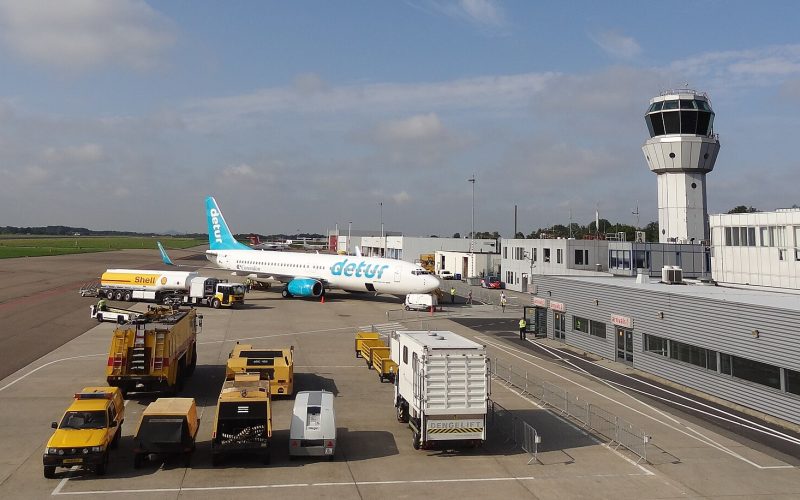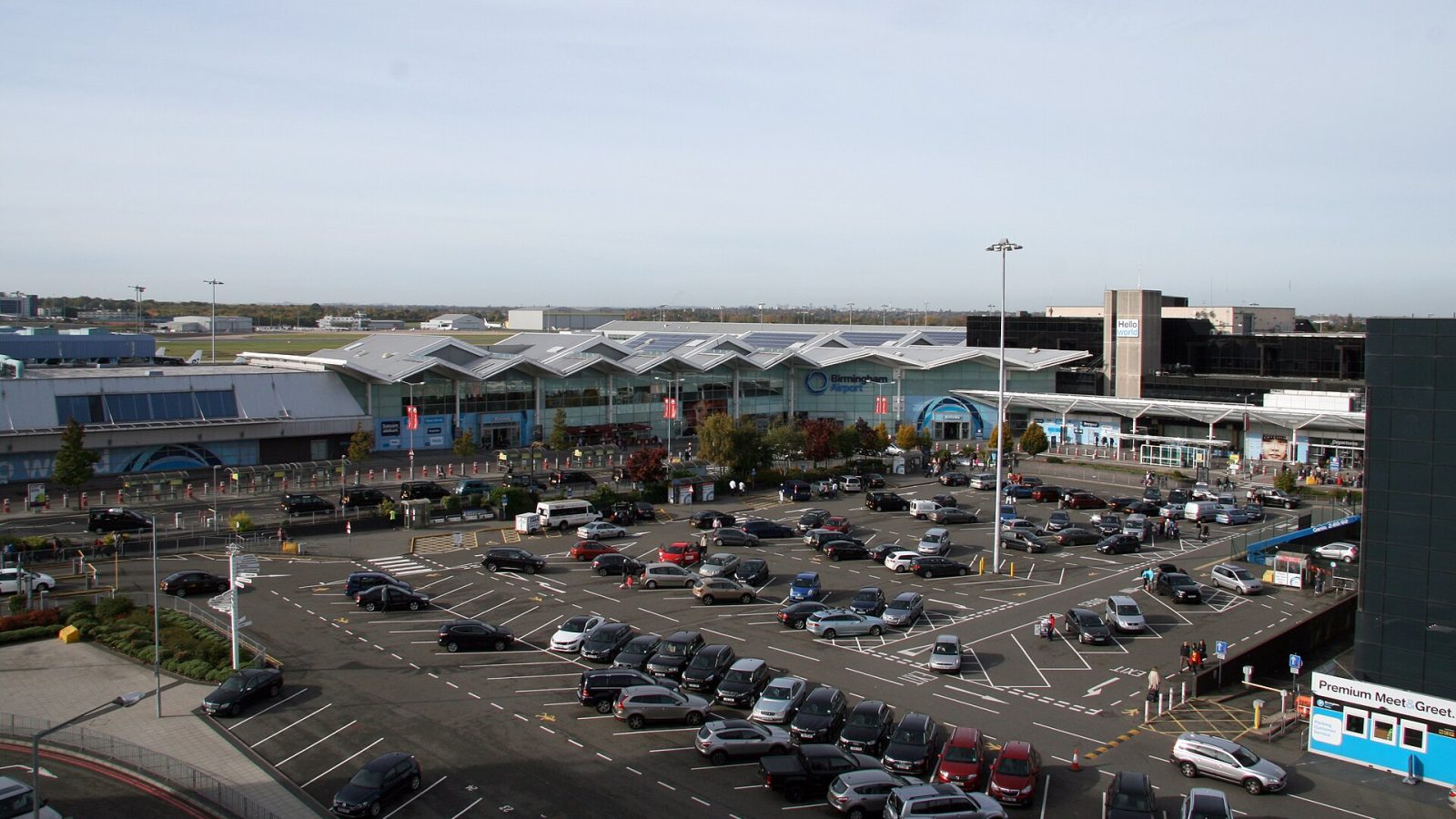
Birmingham Airport has published a draft £2 billion masterplan that would transform the West Midlands hub into a 30 million passenger airport by 2041, more than doubling its current annual throughput of just under 14 million passengers.
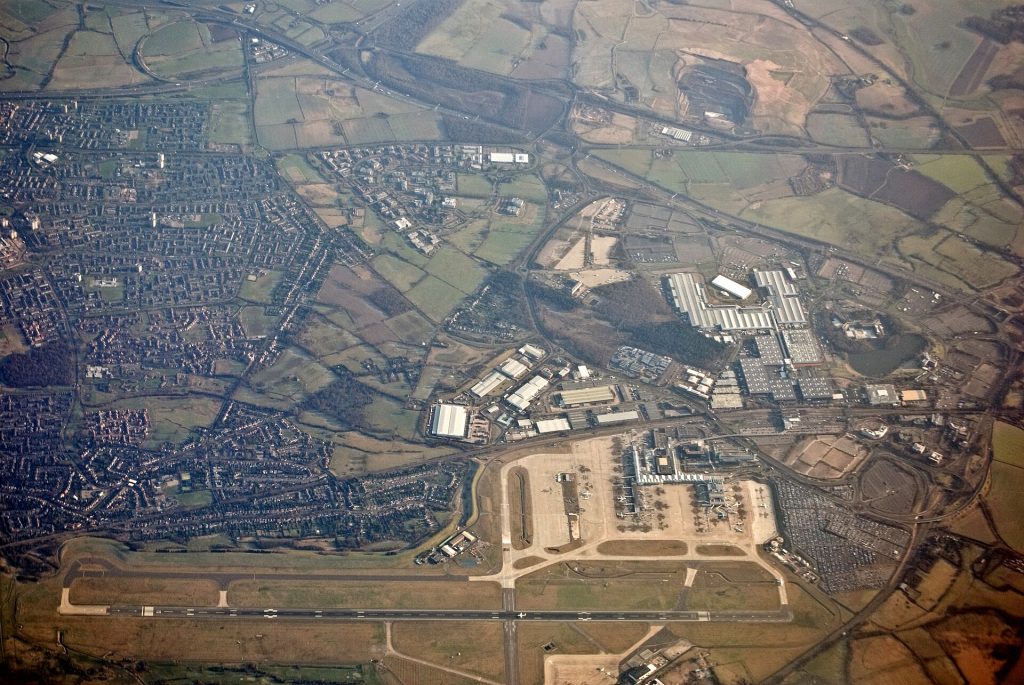
The proposals centre on making fuller use of the airport's existing single runway rather than building a new one. According to Aviation Week, the terminal would expand by around 60% and the number of aircraft stands would rise from 42 to between 70 and 75.
What the Birmingham Airport Masterplan Contains
Longer-term airfield projects could include a new south pier, an extension of the international pier and a satellite building north of the terminal. Aviation Week reports that investment is also planned in baggage facilities, taxiways, surface access and passenger processing.
Annual aircraft movements would rise from fewer than 100,000 in 2025 to around 180,000 by 2041. The airport expects the average number of passengers per flight to grow by about 20% as airlines deploy larger aircraft, meaning passenger growth would outpace the rise in movements.
Long-Haul Ambitions at the Heart of the Plan
Aviation Week reports that Birmingham Airport forecasts long-haul traffic could triple over the 15-year period. The airport is targeting expanded Middle East and South Asia services, the restoration of scheduled transatlantic flights, and potential new links to the Far East.
The airport also aims to increase its share of air travel generated within the Midlands from around 35% to 45%, partly by recapturing passengers who currently use other UK airports. Birmingham handled a record 13.65 million passengers during 2025, up from 10.2 million a decade earlier.
The Phased Approach and Timeline
Travel Weekly notes that the first phase of development could start as early as next year in areas including baggage facilities, stand reconfiguration, surface access and terminal improvements. Aviation Week places the formal start of phase one in 2027, subject to the outcome of the public consultation.
Individual projects within the masterplan would each require separate planning approvals. A final report summarising public feedback and how it has shaped the masterplan is expected to be published in 2027.
What the Airlines Are Already Doing at BHX
The masterplan arrives as Birmingham's airline base is already expanding. Aviation Week reports that airlines offered approximately 5.56 million departure seats from Birmingham during summer 2026, up 3.3% on the previous year, with scheduled destinations increasing from 128 to 135.
Ryanair increased capacity by 16.8% to 1.42 million seats, while EasyJet expanded by 16.9% to around 871,800. Jet2.com remained the airport's second-largest carrier with 1.24 million seats. Together, Ryanair, Jet2, EasyJet and TUI Airways accounted for more than three quarters of summer capacity. Jet2 has been among the most aggressive growth stories in UK aviation in recent months, as we covered in our piece on Jet2's 17 new routes.
You can explore all of Birmingham Airport's current airline options using our Airline Search tool.
What Chief Executive Nick Barton Said
Chief executive Nick Barton described the investment as "unprecedented" for the airport. "The £2 billion proposed investment is unprecedented at Birmingham Airport and will take our airport close to 30 million passengers," he told Travel Weekly. "This level of ambition sends a strong signal of support and confidence in our airport and wider region."
Barton also issued a direct warning to government. "Unless tax and regulatory environments are made more favourable and stable for major infrastructure investment, they may not materialise," he said, according to Aviation Week. The airport says its business rates bill has already doubled amid uncertainty over the valuation of English airports.
Government and Regional Support
Transport Secretary Heidi Alexander welcomed the plans. "Birmingham Airport's masterplan will be a massive boost to the West Midlands, unlocking investment and creating 50,000 well-paid local jobs," she said, according to Travel Weekly. She added that the government had invested over £219 million in green fuels.
West Midlands Mayor Richard Parker also backed the scheme. The BBC reports that Parker called it "ambitious" and said it would "improve international links and unlock vital backing for local businesses and supply chains."
How Local Residents Have Reacted
The reaction from communities living near the airport has been more mixed. The BBC spoke to several residents who raised concerns about aircraft noise. Nicki Sweet, from Aldridge, said noise could be "constant" on some days and questioned whether existing operational issues should be resolved before expansion proceeds. Audrey Hurdman, from Erdington, said noise had worsened in recent years despite her living some distance from the airport.
Business leaders were more enthusiastic. Raj Kandola, deputy chief executive of the Greater Birmingham Chambers of Commerce, told the BBC the plans were a "massive vote of confidence" for the region.
An eight-week public consultation begins on 16 October, with 20 events planned. Responses can be submitted online, by post or in person.
The Bottom Line
A £2 billion investment at Birmingham Airport would represent a fundamental change for one of England's most significant regional hubs. The phased approach and reliance on the existing runway give the plan a degree of realism, though Barton's repeated warnings about the tax environment signal that political and regulatory decisions will be just as important as planning approvals in determining whether the 2041 vision is realised. The consultation period and the 2027 final report will be the next moments to watch.
Continue to follow The Aviation Hub for more analysis and insight.
Advertise with us Your brand, in front of an aviation audience Home page and in-article placements, sold directly, one advertiser per slot. From £250 a year. See the rates