FAA Orders Boeing 737 Checks: Nearly 2,000 Jets Face Stabilizer Inspections
The FAA has ordered stabilizer inspections on nearly 2,000 Boeing 737 Next Generation aircraft after operators reported pitch oscillations in flight.
 By The Aviation Hub
3 min read
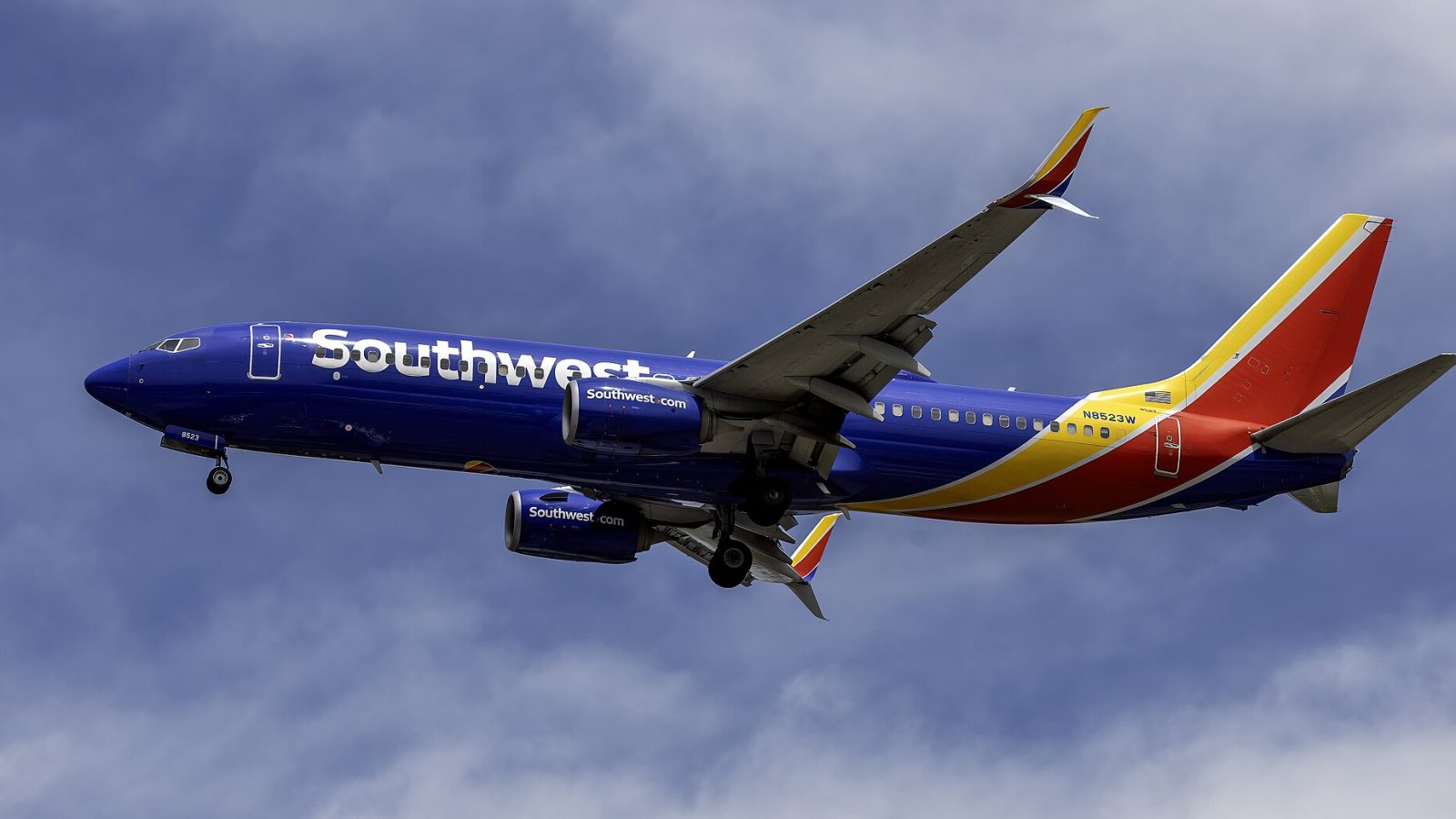
The US Federal Aviation Administration has issued an airworthiness directive requiring inspections on nearly 2,000 Boeing 737 Next Generation aircraft. Multiple operators had reported pitch oscillations linked to excessive looseness in the horizontal stabilizer mechanism.
What the FAA Has Ordered
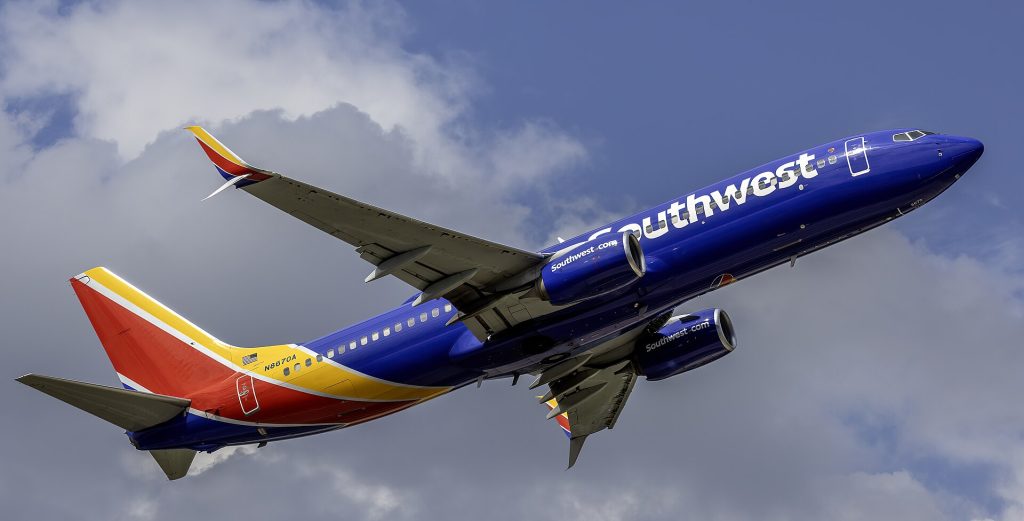
According to AeroTime, the directive was published on 19 October 2026 and takes effect on 23 November 2026. Operators must measure movement in the stabilizer's pivot hinges and jackscrew, then carry out additional checks, repairs or parts replacements depending on what the measurements show.
The FAA estimates that 1,987 US-registered aircraft are affected. The directive covers the 737-600, -700, -700C, -800, -900 and -900ER variants. It does not apply to the 737 MAX.
Why the Stabilizer Matters
The horizontal stabilizer is the movable surface on the aircraft's tail that controls its nose-up or nose-down attitude. Excessive movement within its supporting mechanism, known as freeplay, can allow unwanted motion of that surface.
AeroTime reports that the FAA attributed the reported pitch oscillations directly to excessive stabilizer freeplay. The agency warned that leaving the condition uncorrected could lead to flutter, a potentially dangerous vibration that can result in loss of control.
Where the Boeing 737 Directive Came From
The final directive follows a proposed rule published in January 2026. It incorporates inspection procedures detailed in a Boeing service bulletin dated 12 June 2025, according to AeroTime.
The Boeing 737 Next Generation family has been in service for decades and remains one of the most widely operated aircraft types in the world. The FAA's directive arrives just days after this publication covered the Boeing 737 MAX 10 receiving FAA certification, a separate programme with a very different recent history.
Airlines Pushed Back, the FAA Refused
Several carriers sought to modify the inspection requirements during the public comment period. AeroTime reports that Canadian North asked the FAA to extend the initial inspection threshold from 12 months to 36 months, arguing that a longer period would allow the work to coincide with scheduled heavy maintenance visits and give operators more time to arrange parts and labour.
United Airlines requested longer repeat inspection intervals for aircraft fitted with replacement hinge bearings, compared with those retaining their original components.
The FAA rejected both requests. It said the inspection schedule was necessary to maintain an acceptable level of safety, and that excessive freeplay needed to be monitored whether components were original, repaired or newly installed. The agency said it would consider individual extension requests if operators supplied sufficient evidence that an alternative schedule would maintain safety.
What It Will Cost
AeroTime reports that the FAA estimates the freeplay measurement will require six work-hours per aircraft at an assumed labour rate of $85 per hour, giving a cost of $510 per aircraft. Across the affected US fleet, that amounts to approximately $1 million for the initial checks alone.
Additional inspections and repairs would increase those costs. The FAA said it could not determine how many aircraft would need replacement components and did not have definitive prices for worn parts that might require replacement.
The Bottom Line
The directive is a significant maintenance burden for operators of the 737 Next Generation fleet. With nearly 2,000 aircraft affected in the US alone, and compliance required within the schedule set out in the directive, airlines will need to plan carefully.
The FAA's rejection of requests for extended timelines makes clear that the agency views the risk as one that cannot wait for the convenience of heavy maintenance cycles. Readers tracking individual aircraft in the affected fleet can use our Aircraft Search tool to look up specific registrations and operator details.
Any incidents arising from stabilizer-related issues on the Boeing 737 Next Generation fleet will be logged on our Squawk 7700 hub, the live emergency board and incident archive. We will update our coverage if the FAA or Boeing release further information on the directive's implementation.
Continue to follow The Aviation Hub for more analysis and insight.
Advertise with us Your brand, in front of an aviation audience Home page and in-article placements, sold directly, one advertiser per slot. From £250 a year. See the rates