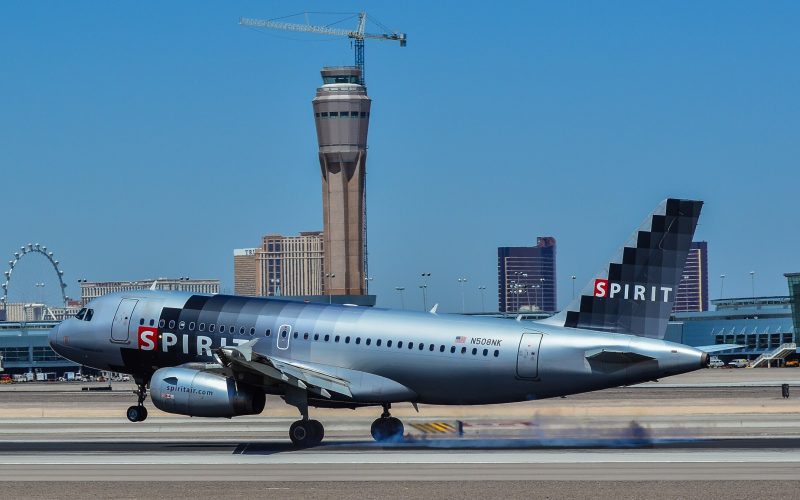
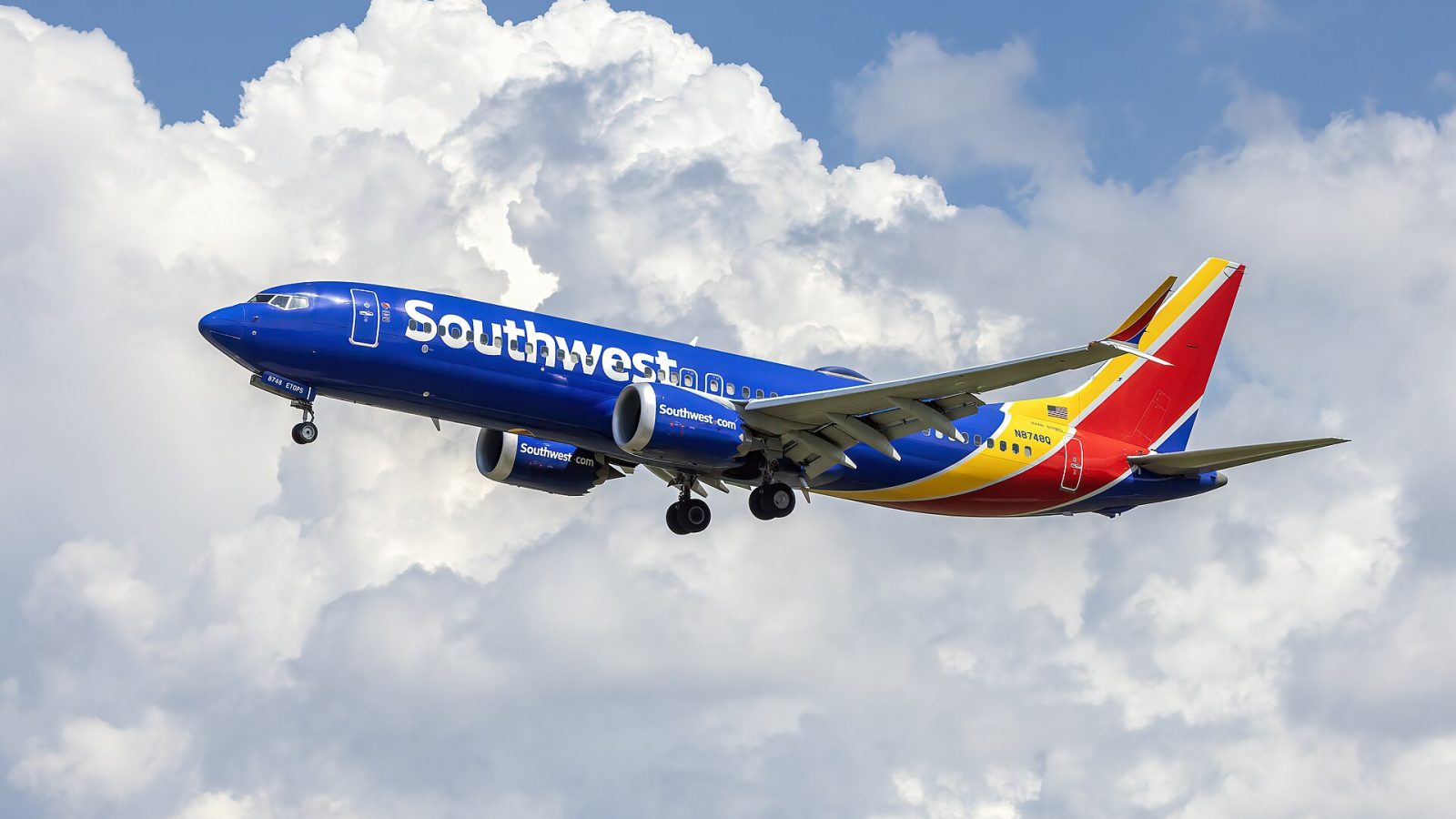
Boeing 737 production is climbing again, but the distance between where the programme sits today and its 47-per-month target is still significant. Boeing's own Q2 2026 investor report places the number in sharp relief: the company delivered 171 commercial aircraft across its entire product range in the second quarter, a figure that covers far more than the 737 alone.
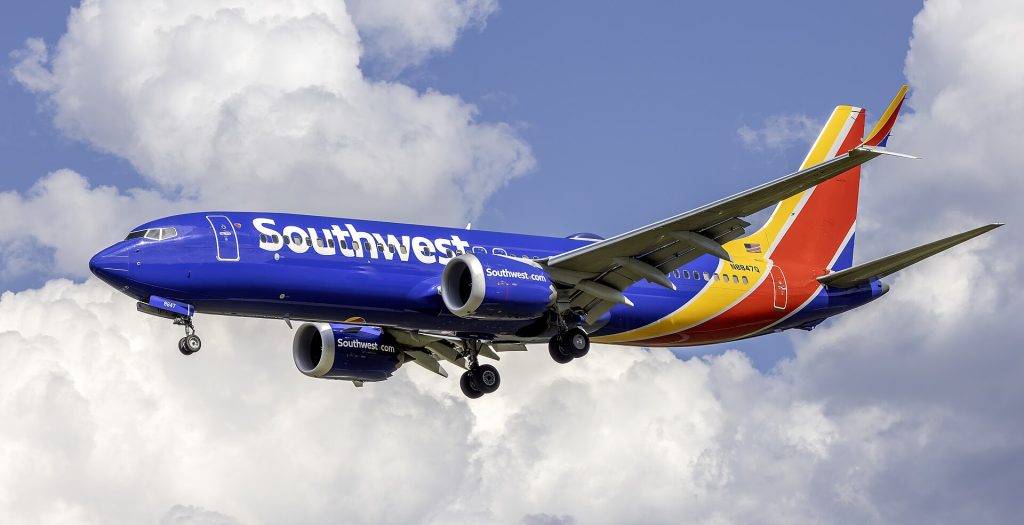
From 38 to 47: The Boeing 737 Rate History
Any assessment of where Boeing's output stands today must begin with the constraint that held it back for more than a year. Following the Alaska Airlines Flight 1282 incident, the FAA imposed a production ceiling of 38 737s per month in early 2024, as CNBC reported and Aerotime Hub cited. That ceiling was removed in October 2025, CNBC reported, clearing the way for output to climb to 42 per month. A further step up is now under way: Boeing's Q2 2026 results show the programme moving toward 47 per month during the second quarter of this year. The distance between 38 and 47 is not a routine adjustment; it marks the most ambitious stage yet of a recovery that has been years in the making.
FAA Administrator Bryan Bedford told Aerotime Hub directly: "It's important for the country that Boeing is successful. We are absolutely comfortable with 42 to 47 and I suspect in another 30, 60, 90 days we're going to see continued rate increases." That statement, made to Aerotime Hub in its own interview, is as close to a regulatory endorsement of Boeing's trajectory as the public record currently offers.
The North Line and What It Must Clear
July 2026 saw Boeing bring the 737 North Line into low-rate initial production, as its investor materials set out. What makes the facility particularly notable is its location: situated in Everett, Washington, as CNBC reported and Aerotime Hub repeated, it becomes the first site outside Renton ever to manufacture the 737. Since the programme began, every single 737 has rolled off the Renton line. The North Line therefore represents a genuine expansion of the manufacturing footprint rather than simply an increase in tempo at an existing plant.
There is a condition attached, however. The North Line must obtain its own FAA production certification before any aircraft assembled there can be delivered to a customer. Low-rate initial production is the first step in that process, not the end of it. Boeing has not stated a timeline for that certification in the materials available to us, and we do not speculate about when it will arrive.
The 737-7: Eight Years to Certificate
A separate but closely related milestone arrived in step with the fourth line opening. On 3 August 2026, the FAA issued Boeing an amended type certificate for the 737-7, bringing to a close a test programme that had been running since 2018. As Boeing's press release confirms, the FAA also revised Boeing Production Certificate No. 700 to cover the 737-7 variant.
As Boeing states, Southwest Airlines will be the first carrier to take the 737-7 into service. The variant accommodates 135 to 160 passengers in a two-class layout and reaches up to 3,800 nautical miles, a figure Boeing describes as roughly 10% beyond the range of other members of the 737 MAX family. Boeing additionally states that the 737-7 cuts fuel consumption and CO2 emissions by 20% and reduces its noise footprint by 50% relative to predecessor aircraft, environmental credentials that carry particular weight for airlines navigating increasingly strict emissions requirements.
Stephanie Pope, president and CEO of Boeing Commercial Airplanes, said of the certification: "This important certification validates the rigor of our airplane's design and recognizes the determination and resilience of our 737 MAX development team."
Flight testing for certification purposes on both the 737-7 and the 737-10 had wrapped up by July 2026, Boeing reports. Both variants are expected to receive certification during 2026, with first deliveries to follow in 2027. The financial toll of the extended delays to these programmes is something we looked at in depth in our earlier piece on Boeing's 737 MAX 10 and 777X delays.
The Backlog Behind the Numbers
The commercial logic behind pushing to 47 per month is plain when you look at Boeing's order position. The 737 MAX family backlog exceeds 7,200 airplanes, with more than 2,300 having been delivered through the end of June 2026, according to Boeing's Q2 2026 results. During the quarter, Boeing Commercial Airplanes recorded 246 net orders, with buyers including Korean Air, Delta Air Lines and SMBC Capital among those placing business; the overall backlog stood at in excess of 6,200 airplanes, reaching a record worth of $597 billion. Across the whole company, the backlog hit a record $715 billion by the close of the quarter.
Boeing's Q2 2026 report shows revenue of $24.6 billion for the period, with operating cash flow reaching $1.4 billion and free cash flow coming in at $0.6 billion. Boeing CEO Kelly Ortberg said: "I'm very pleased with the progress our team is making as we execute our plan. Our operations are more stable and key certification programs remain on plan." The picture in defence is more complicated: the Defense, Space and Security segment posted Q2 revenue of $7.5 billion, though that total absorbed $280 million in losses tied to the VC-25B, a programme whose first delivery has been pushed back to 2028.
Our analysis of Boeing 777XF versus Airbus A350F explores what is at stake for Boeing's widebody ambitions as the narrowbody recovery gathers pace. On the 777X, progress continued in Q2 2026: Boeing confirms that the FAA authorised the commencement of certification flight testing under Type Inspection Authorization 4B during the quarter. The programme remains on course for a first delivery in 2027.
You can explore Boeing's full commercial aircraft range using our Aircraft Search.
The Bottom Line
The production data tells a story of real but incomplete recovery. Boeing has moved the 737 rate from a capped 38 to a transitioning 47 in the space of roughly nine months, opened its first 737 line outside Renton and secured type certification for the 737-7 after an eight-year test programme. The order book at 7,200 aircraft and the record backlog valuation confirm that airline demand has not wavered.
What the numbers cannot yet show is how quickly the North Line will clear FAA production certification, and whether the transition to 47 per month will hold without the quality control setbacks that produced the earlier cap. Those questions will be answered by the monthly delivery figures Boeing publishes in the quarters ahead. Our view is that the gap between ambition and output remains the single most important metric to watch in commercial aviation right now.
This article draws on information from Boeing Investor Relations and Boeing (official press release) and reporting by Aerotime Hub.
Continue to follow The Aviation Hub for more analysis and insight.
Advertise with us Your brand, in front of an aviation audience Home page and in-article placements, sold directly, one advertiser per slot. From £250 a year. See the rates