

Boeing believes the 737 MAX 10 is almost over the line. Chief Executive Kelly Ortberg told reporters that certification is coming “very soon”, according to AirlineGeeks.
The same update confirmed that the 777X still faces engine testing that could stretch into 2027.
The headline is positive, but the context is not.
The MAX 10 was first launched in 2017 and has now missed a series of promised certification dates.
The 777X was originally due to enter service in 2020, and it remains stuck in testing more than six years later.
Together, the two programmes represent a huge share of Boeing’s future revenue. They also represent years of lost credibility.
This analysis looks at what Ortberg actually said, how the delays have unfolded, and how much more damage they can still do to Boeing, its customers and the wider industry.
What Ortberg Actually Said
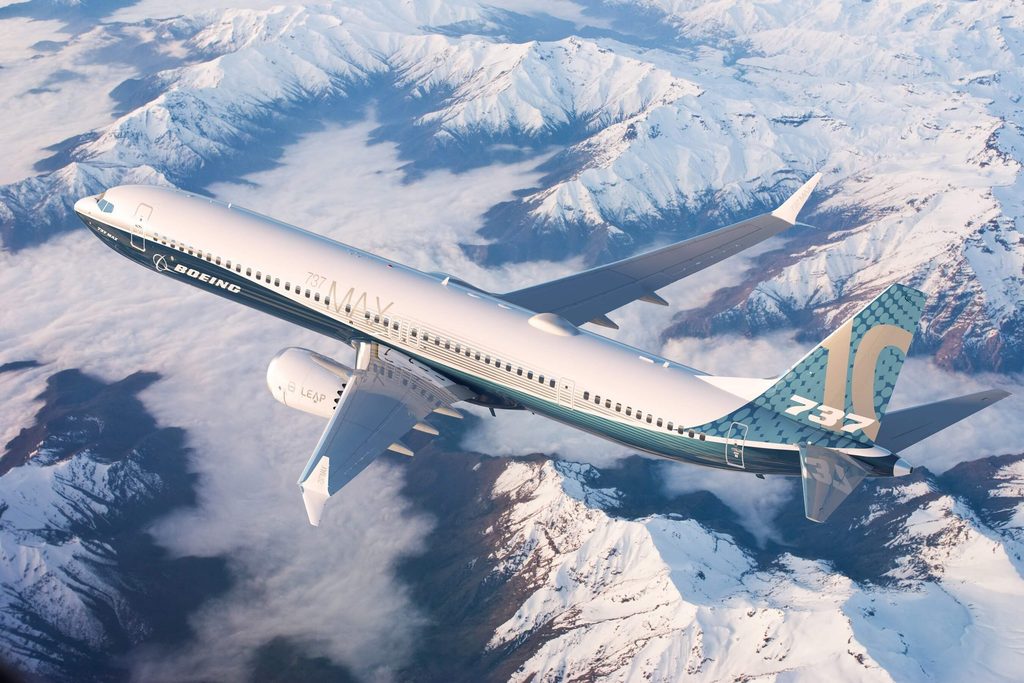
Ortberg struck a confident tone on the MAX 10.
He said that when he left Seattle, Boeing had three deliverables left to complete, and that “all the real work is done now”.
What remains is largely paperwork.
He also said the European Union Aviation Safety Agency recently flew the aircraft and was “very complimentary”.
That matters because Boeing wants regulators on both sides of the Atlantic to move in step.
Boeing has already started building production MAX 10s in Washington, and the variant makes up around 30 percent of the company’s current backlog, per AirlineGeeks.
The 777X message was more cautious.
Flight testing continues and ETOPS approval is still pending, held up by a mid seal engine issue that needs more testing.
Ortberg said Boeing expects a resolution “very soon” and that GE is “working that diligently”.
Some testing may run into 2027, yet Boeing still targets first deliveries that year.
The Leeham News report from the same briefing adds that MAX 10 deliveries are expected to begin in 2027.
It also notes that the aircraft has more than 1,400 orders.
The 737 MAX 10 Story So Far
The MAX 10 is Boeing’s answer to the Airbus A321neo.
It is the largest member of the MAX family, and airlines wanted it for high density and high capacity narrowbody flying.
The delays have come from several directions.
The wider MAX crisis reshaped how regulators approach every new Boeing type. Supply chain problems slowed test aircraft.
Then came the engine anti ice system, which proved the sticking point.
The Air Current reported that the unresolved anti ice fix was pushing MAX 7 and MAX 10 certification into 2026, and Boeing has since finished a redesigned anti ice system, according to Simple Flying.
The test programme itself is now complete.
Boeing says the 737-10 team finished its final certification flight on 28 July 2026 after 976 flights and more than 2,060 flight hours.
That campaign covered the engine anti ice solution, landing gear and wet runway braking, and the new enhanced angle of attack system.
At that stage, though, Boeing still had documentation to close.
Development assurance reviews and system safety assessments were only partly complete, and final deliverables still had to go to the FAA.
Ortberg’s “very soon” comment suggests that work is nearly done.
The key point is that certification is no longer a technical question.
It is a paperwork and regulatory timing question, which is a better problem to have.
The Boeing 777X Is The Bigger Problem
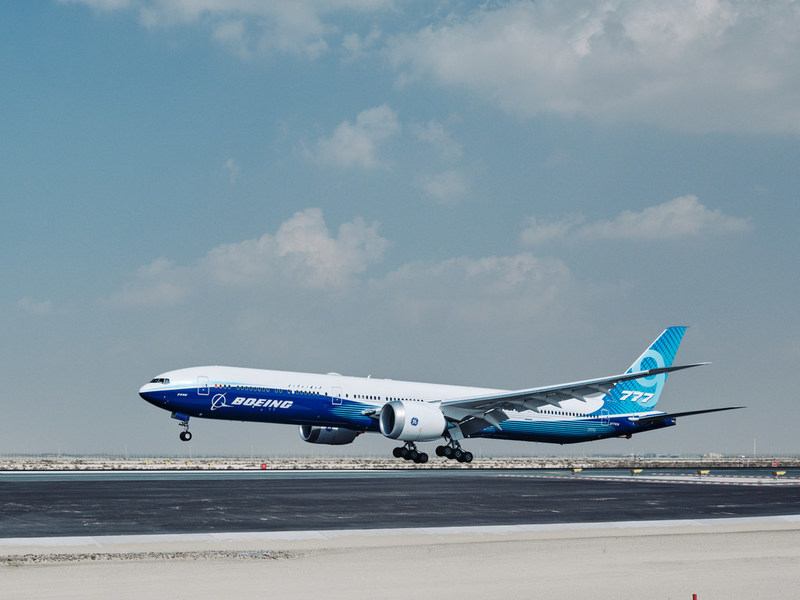
If the MAX 10 is a delay, the 777X is a saga.
Boeing originally planned to enter service in 2020.
One Mile at a Time puts the cumulative slip at roughly seven years, with about $15 billion in overruns and around 620 orders including freighters.
The programme has suffered from GE9X engine durability problems, structural test failures and the wider fallout from the MAX crashes.
In October 2025, Boeing pushed first deliveries to 2027 and booked a $4.9 billion charge in the third quarter.
Ortberg said at the time that he was disappointed in the delays.
The latest update shows the risk has not gone away.
Leeham News notes that an engine durability issue with GE was identified in January 2026.
Boeing’s second quarter results confirmed that the FAA approved the start of certification flight testing and that Boeing still anticipates first delivery in 2027.
That target now depends on a chain of events.
The engine seal issue must be resolved, ETOPS approval must follow, and the FAA must complete a full certification review.
Ortberg admits some testing may run into 2027.
A first delivery late in that year is realistic, but a further slip into 2028 is not hard to imagine.
The 777X carries the most financial and reputational risk of any Boeing programme, because its customers are the airlines that shape long haul premium travel.
Customers Are Paying The Price
Boeing is not the only party absorbing the cost.
Airlines plan fleets, cabins and routes years in advance, and each slip forces them to rebuild those plans.
The 777X is the clearest example.
One Mile at a Time reports that Emirates has delayed the rollout of its new first and business class products.
Cathay Pacific has chosen to retrofit existing aircraft instead of waiting.
Singapore Airlines, Qatar Airways and Lufthansa have redirected premium cabin launches to other aircraft.
Emirates, Qatar Airways, All Nippon Airways, British Airways, Cathay Pacific, Lufthansa and Singapore Airlines are all major customers.
Emirates and Qatar Airways are also the largest buyers by volume, according to AP coverage of the 2025 delay.
Their patience matters more than anyone’s.
Ortberg said customer concerns about outdated technology are being addressed directly in contract discussions, which is a polite way of saying that airlines are asking hard questions about a design first launched in 2013.
The MAX 10 tells a similar story on a smaller scale.
Airlines that ordered the type to replace older narrowbodies have had to keep those aircraft flying, or lease alternatives at higher cost.
Leeham notes that compensation penalties apply to aircraft promised years ago, and that Boeing faces a low margin portion of its narrowbody backlog through the end of the decade.
Every further delay adds to that bill. Airlines are patient, but their patience is not unlimited, and they can always move orders to Airbus.
The Financial Picture Is Improving, But Fragile
Boeing’s numbers do show a company on the mend.
In the second quarter of 2026, revenue rose 8 percent to $24.6 billion, according to Boeing’s results.
Free cash flow was positive at $0.6 billion, compared with negative $0.2 billion a year earlier.
Commercial Airplanes delivered 171 aircraft, up 14 percent.
The backlog reached a record $715 billion, including more than 6,200 commercial aircraft.
The 737 programme began transitioning to a rate of 47 per month, and low rate initial production started on the new North Line in Everett.
That is a strong base. It is also why the timing of the delays matters.
Boeing needs certification of the MAX 10 to unlock a fresh delivery stream and to lift narrowbody profitability.
It needs the 777X to replace ageing widebody revenue and to restart cash generation from its largest passenger jet.
The risk is that another slip would arrive just as Boeing is rebuilding its finances.
The 2025 charge of $4.9 billion showed how quickly the 777X can hit earnings.
Alphastreet also noted that the 737 ramp is progressing more slowly than expected, which leaves less room for error elsewhere.
In short, a further delay of a few months on the MAX 10 would hurt little. A further year on the 777X could cost billions more.
Airbus Benefits While Boeing Rebuilds Trust
The biggest beneficiary of Boeing’s delays is Airbus.
The A321neo family has faced little direct competition in the largest narrowbody segment, and Simple Flying has examined why airlines keep choosing the A321XLR over the MAX 10.
Every year the MAX 10 stays out of service is another year in which Airbus can lock in customers, slots and pricing.
Order data supports the wider trend.
Analysis from The Flying Engineer compares the two manufacturers’ order books in 2026, and Boeing’s recovery there depends on delivering the types it has already sold. Airlines will not wait forever for the MAX 10 to prove itself.
Regulatory trust is the second front.
The FAA now scrutinises every Boeing programme more closely than at any point in the company’s history.
That is the right approach after the MAX crashes, but it also means schedules can move quickly when reviewers find issues.
The MAX 10 anti ice saga and the 777X certification pace both show that Boeing can no longer assume approvals will arrive on its timetable.
The positive signal is EASA’s involvement.
If European regulators are comfortable with the MAX 10, Boeing can hope for smoother validation and fewer surprises. That would help Boeing rebuild credibility, one milestone at a time.
The Verdict for Boeing: Limited Damage On The MAX 10, Real Risk On The 777X
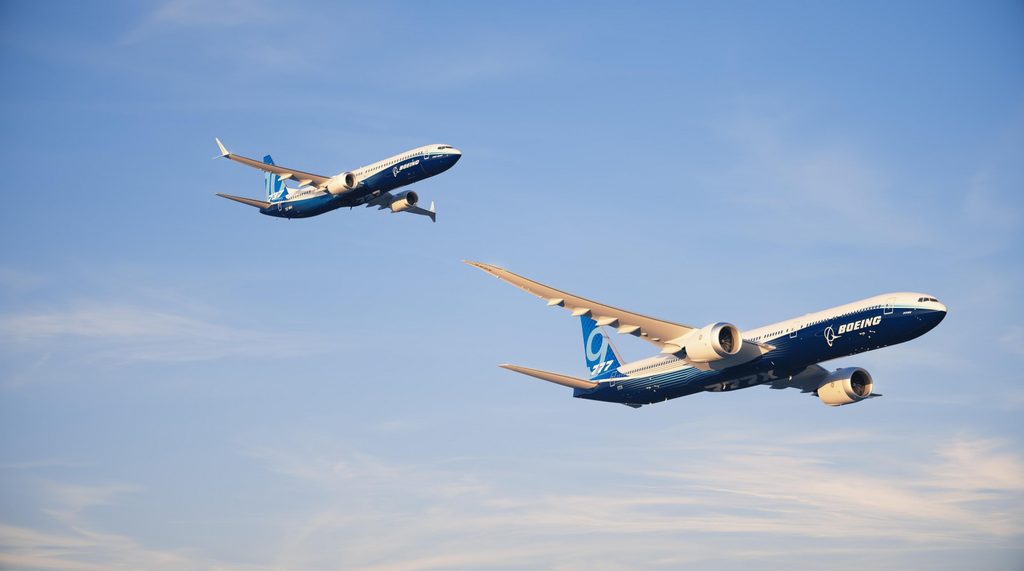
The MAX 10 has probably done most of the damage it will do.
Flight testing is finished, EASA is engaged and Ortberg says only paperwork remains.
If certification arrives this autumn, the cost of the delay will be measured mainly in compensation, lost momentum against the A321neo and a slower ramp in 2027.
The 777X is different.
Its remaining hurdles are technical and regulatory, and the engine seal issue could still affect the schedule.
With a 2027 first delivery already tied to a chain of dependencies, any new problem could push the date again.
Each slip damages customer confidence, and the 777X has already cost Boeing billions.
The next few weeks will show whether Boeing has turned a corner.
We should watch for FAA certification of the MAX 10, confirmation of ETOPS progress on the 777X, and any change to the 2027 delivery target.
Boeing’s next earnings report will reveal whether the company has taken further charges.
Boeing’s recovery is real, but it is not yet secure. The MAX 10 looks close to the finish line.
The 777X still has a long way to run.
Continue to follow The Aviation Hub for more analysis and insight!