
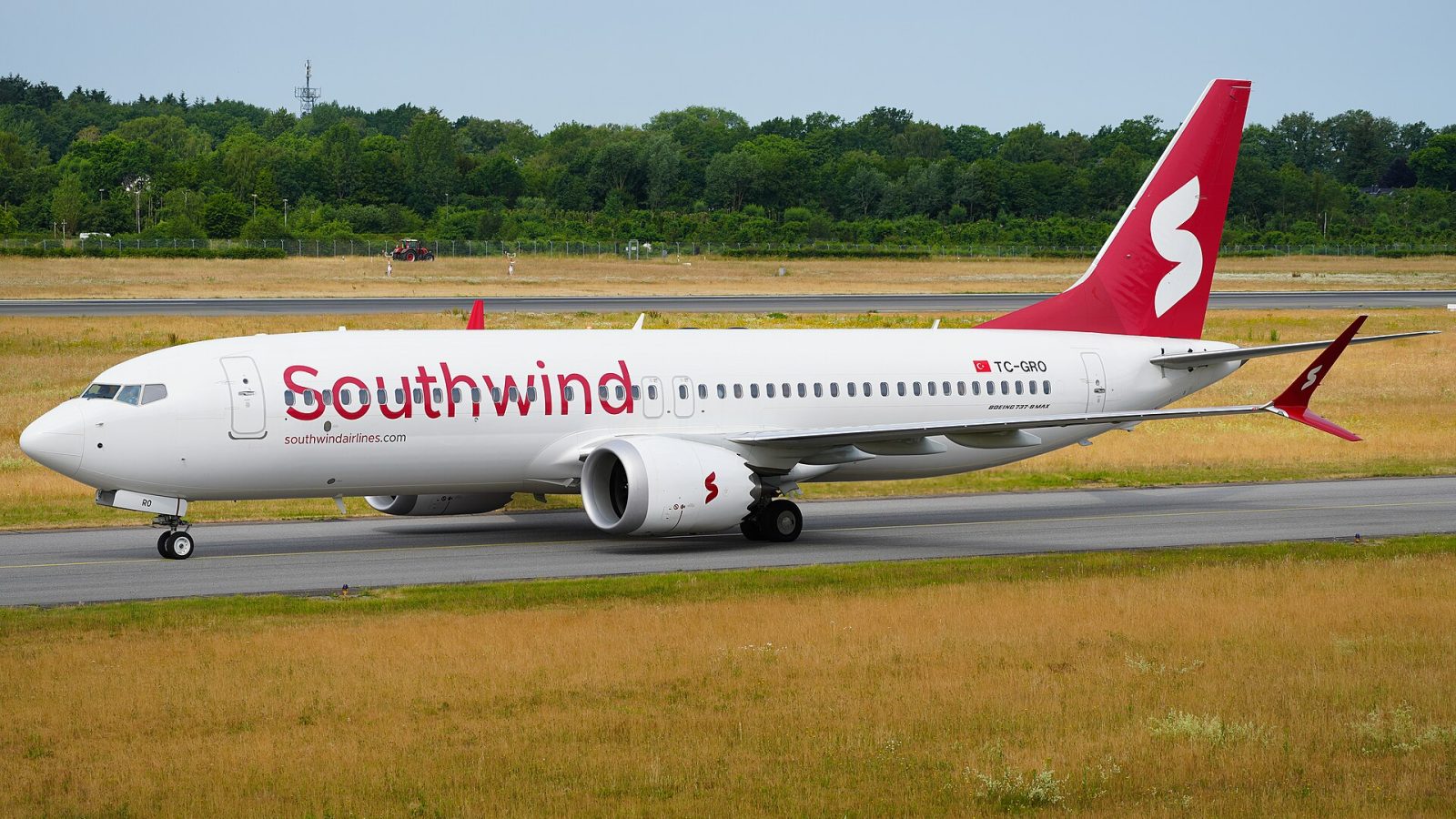
The Boeing 737 MAX 10 has finally arrived as a certified, deliverable aircraft, and the single-aisle market will not look the same because of it. The FAA granted type certification on 20 October 2026, according to AirlineRatings, closing a programme that took nearly a decade from launch to approval and handing Boeing a competitive tool it has been missing while Airbus built momentum with the A321XLR.
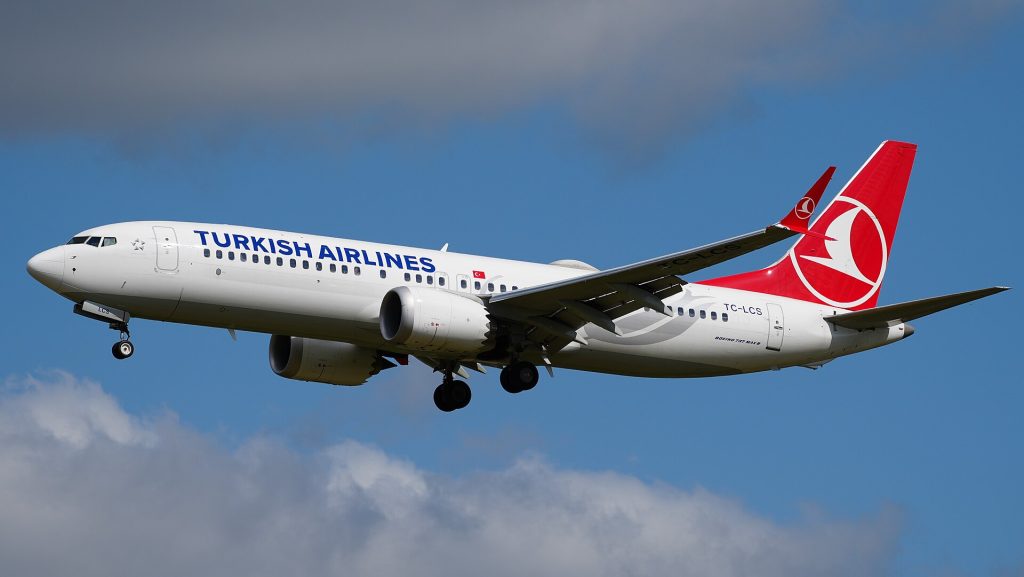
The certification matters not just as a regulatory milestone but as a commercial one. Legacy carriers with large narrowbody commitments can now firm up their planning, and Boeing can begin converting orders into deliveries. The question is what it changes, and for whom.
A Programme Built on Delays
The 737 MAX 10 was unveiled by Boeing at the 2017 Paris Air Show, AirlineRatings notes, with the programme targeting first deliveries in 2020. A succession of obstacles would push that date back by over six years. Before the MAX 10 variant had completed a single flight, the certification programme was suspended in the wake of the MAX 8 accidents of 2018 and 2019, as AirlineRatings records. The aircraft's maiden flight did not occur until June 2021, per AirlineRatings. Then, in the closing weeks before approval was granted, a problem with software in the flight management computers brought certification to a standstill in late September 2026, according to AirlineRatings, until the FAA cleared the type the following month.
We followed the final stretch of that journey in our article on the MAX 10 sitting one step away from FAA approval, published three days before the certificate was issued. US Transportation Secretary Sean Duffy made the announcement at the Boeing factory in Everett, Washington, AirlineRatings reports.
What the Boeing 737 MAX 10 Actually Offers
The two figures airlines look at before anything else are range and unit economics. Capable of reaching Mach 0.79 and covering 3,300 nautical miles, according to Delta Air Lines, the 737 MAX 10 sits firmly where domestic and medium-haul traffic is heaviest. Boeing's pitch is that the type delivers the lowest cost per seat of any single-aisle aircraft currently in service, per AirlineRatings. That is the argument Boeing is putting to airlines as they assess their fleet choices, and actual operations will determine whether it holds up.
WestJet will be the first airline to put the MAX 10 into revenue service, AirlineRatings reports. That debut will be watched closely by operators who want to see how the type performs before their own deliveries begin.
For readers wanting to explore the full technical profile of the type, the Aircraft Search tool on this site covers the MAX family in detail.
Delta as the Clearest Signal
No committed order tells the story of the MAX 10's commercial ambitions more plainly than Delta's. Delta Air Lines announced an order for 100 737 MAX 10 aircraft, with options on a further 30, with deliveries beginning in 2027. The order will bring Delta's total Boeing 737 fleet to more than 300 aircraft.
The configuration Delta has chosen is a deliberate statement about where revenue comes from. Nearly one-third of seats on its 737-10 will be premium, the airline said. That cabin mix reflects a broader industry trend: carriers are no longer buying high-density narrowbodies and hoping for volume. They are buying capacity that can be tuned to yield.
According to Delta, the airline intends to deploy the type across a broad portion of its network, serving hubs at New York, Boston, Atlanta, Detroit, Minneapolis-St. Paul, Seattle and Los Angeles. This is not a limited proving exercise. It represents a wholesale network-level commitment to the aircraft.
On the engineering side, Delta's 737-10 fleet will be powered by CFM International LEAP-1B engines, which Delta said will be 20 to 30 per cent more fuel efficient than the aircraft they replace. In July 2022, Delta agreed with CFM International to service those engines at Delta TechOps, locking in a maintenance arrangement that reduces third-party dependency.
What This Means for the Airbus Competition
The single-aisle segment is the most commercially important in commercial aviation, and the MAX 10 and the Airbus A321XLR are now the two primary weapons competing for the largest slice of it. The MAX 10's certification gives Boeing a credible answer to an aircraft that Airbus has been promoting to legacy carriers with considerable success.
The competitive balance here is not a simple inversion. The A321XLR offers greater range and has its own growing order book. But for carriers whose core need is high-frequency, medium-haul flying at the lowest possible seat cost, the MAX 10's economics are now a live proposition rather than a promise. Boeing's production trajectory matters here too: our earlier piece on the MAX production boost from June 2026 set out what that ramp means for delivery lead times, which is a practical factor for any airline deciding between the two types today.
What Remains Uncertain
Certification is not the same as operational proof. The MAX 10 enters service carrying a reputational weight from the MAX programme's history, and how the type performs for WestJet and then for Delta in its first years will matter to airlines still on the fence. Boeing's ability to deliver at the rate customers need is a further variable, given the production challenges the manufacturer has navigated over the past several years.
For airports, a larger single-aisle fleet spread across more hubs means infrastructure planning will need to reflect higher narrowbody utilisation, not just widebody growth. That has implications for gate planning and ground operations at the kind of busy domestic hubs Delta has listed.
The Bottom Line
The FAA's certification of the Boeing 737 MAX 10 marks the point at which a long-delayed aircraft becomes a market reality. Delta's commitment, the depth of its network deployment and the fuel efficiency gains it is banking on all point to a type that will have real weight in the single-aisle market from 2027 onwards. Whether it closes the gap with the A321XLR, holds its own, or exceeds its billing depends on what happens in service. The first deliveries to WestJet and the opening of Delta's routes will be the moments to watch.
This article draws on information from Delta Air Lines and reporting by AirlineRatings.
Continue to follow The Aviation Hub for more analysis and insight.
Advertise with us Your brand, in front of an aviation audience Home page and in-article placements, sold directly, one advertiser per slot. From £250 a year. See the rates