Boeing 737 MAX 10 Certified by FAA: 1,555 Orders Now Closer to Delivery
The FAA has certified the Boeing 737 MAX 10, clearing the path for deliveries of an aircraft with nearly 1,500 firm orders worldwide.
 By The Aviation Hub
4 min read
Updated October 22, 2026
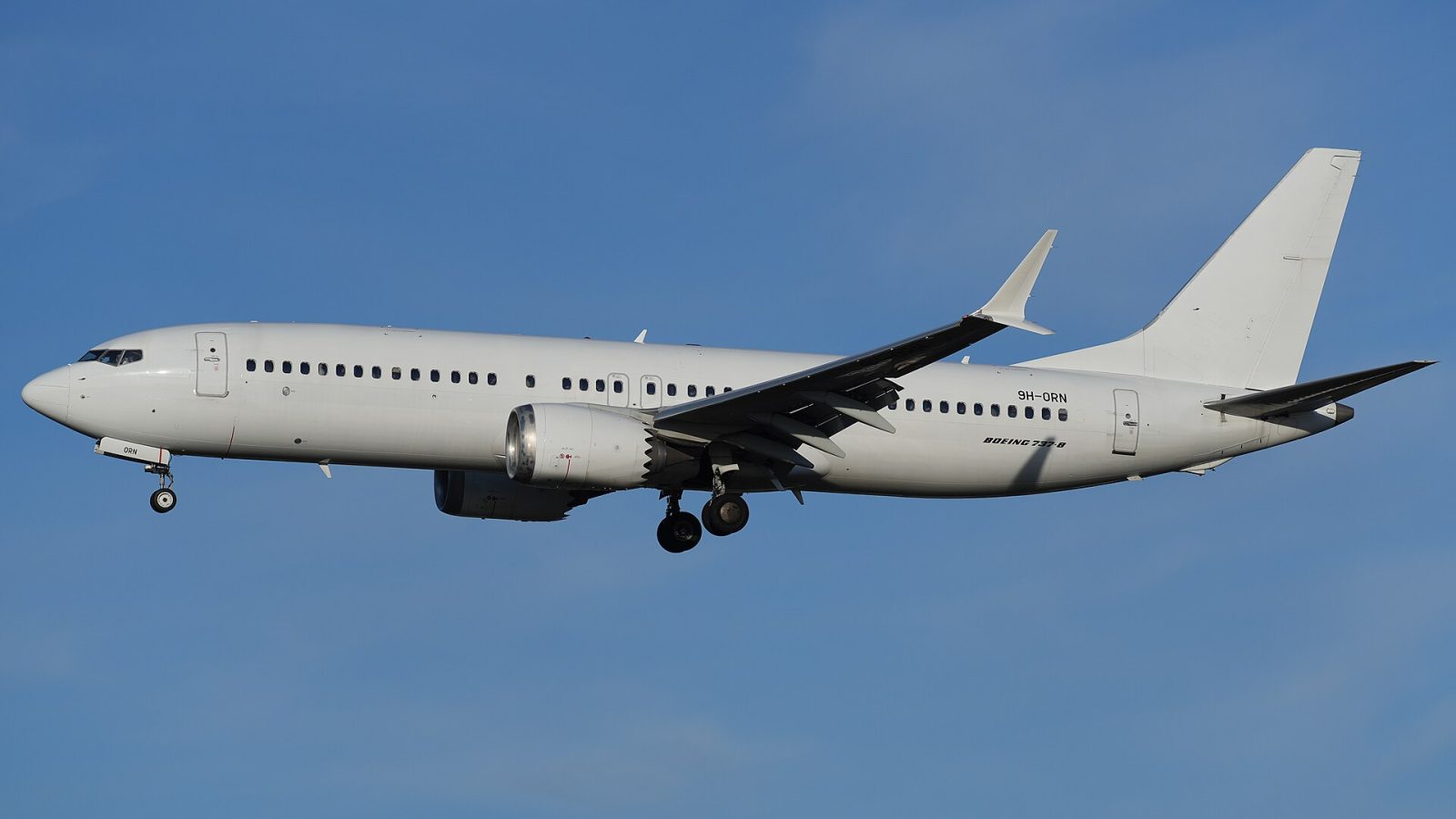
The Federal Aviation Administration has certified the Boeing 737 MAX 10, removing the principal regulatory obstacle standing between Boeing and the delivery of an aircraft that has attracted close to 1,500 firm orders from airlines around the world. The announcement marks the end of a lengthy certification process for the largest variant of the 737 MAX family.
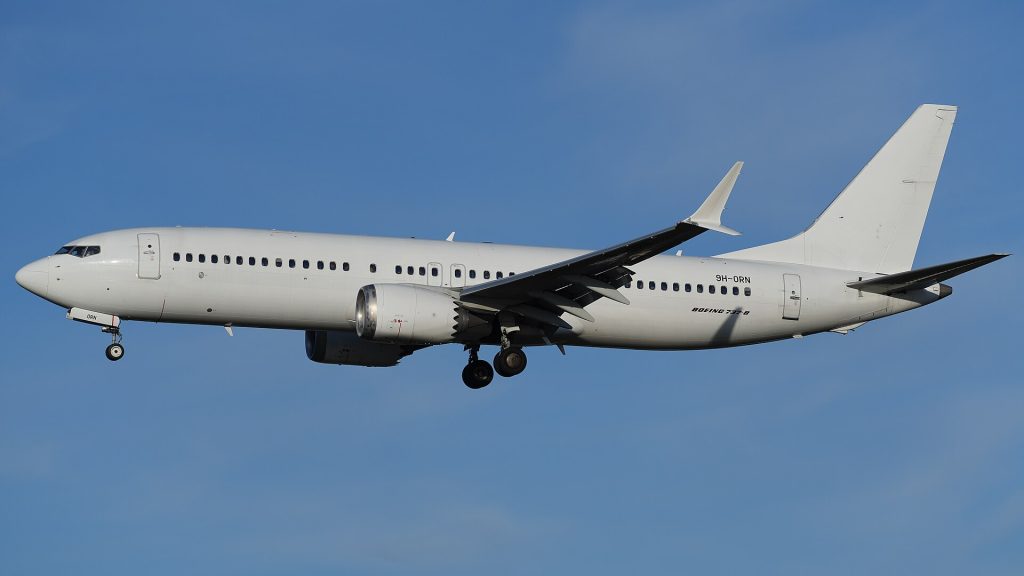
Aviation A2Z reports that FAA Administrator Bryan Bedford confirmed the agency would continue to hold Boeing to high safety standards as production begins. The certification follows the earlier approval of the smaller Boeing 737 MAX 7, and builds on a regulatory journey we have been tracking closely, including the initial MAX 10 certification announcement published here on 21 October 2026.
You can explore the full specifications and order history of this aircraft using our Aircraft Search tool.
What the FAA's Approval of the Boeing 737 MAX 10 Actually Covers
Certification allows Boeing to move forward with production and deliveries to customers at home and abroad. However, as Aviation A2Z notes, the approval does not mean airlines can immediately place passengers on the aircraft. Additional work may remain before individual aircraft and their specific equipment are cleared for particular operations.
Alaska Airlines is among the earliest customers, and the carrier still needs to complete separate certification work involving its pilot heads-up display system. That process could take several months.
When Passengers Will First Fly on the MAX 10
Alaska Airlines is targeting April or May 2027 for its first Boeing 737 MAX 10 passenger services, according to Aviation A2Z. That timeline gives both Boeing and its airline customers a window of several months to complete the remaining steps before scheduled commercial flights begin.
The date is conditional on the heads-up display certification proceeding as planned, which means any delay in that process could push back the carrier's first revenue service.
The Order Book: Who Is Waiting and How Many
The scale of the order book illustrates how much the industry has committed to the type. Aviation A2Z reports that Alaska Airlines, American Airlines, Delta Air Lines and United Airlines have each placed orders for at least 100 aircraft. International carriers including Ryanair, WestJet, Pegasus Airlines and Akasa Air are also among those with significant commitments.
The combined order book stands at nearly 1,500 firm orders, with the total figure cited in the story headline reaching 1,555. For Boeing, which has faced an extended period of programme delays and scrutiny of its manufacturing standards, the size of that backlog represents both commercial validation and a formidable production challenge.
Why Airlines Want the MAX 10
The Boeing 737 MAX 10 is the highest-capacity and shortest-range member of the 737 MAX family. Its larger fuselage allows airlines to seat more passengers than on smaller variants, which reduces the cost per available seat on routes where demand is strong and load factors are consistently high.
For carriers operating dense domestic and short-haul international networks, the aircraft offers a way to grow capacity without moving to a larger, twin-aisle jet. The trade-off, as Aviation A2Z points out, is a shorter range than smaller 737 MAX variants, which means airlines must route the aircraft carefully.
Premium Cabins on a Narrowbody
Several carriers plan to use the MAX 10's additional cabin space to raise the quality of their onboard product rather than simply adding economy rows. American Airlines and Delta Air Lines intend to install at least 24 first-class seats, creating larger premium cabins than those found on parts of their existing narrowbody fleets, according to Aviation A2Z.
Alaska Airlines has gone further, outlining plans for a special subfleet featuring its Aurora Suites concept, which includes lie-flat seats and a premium-economy cabin. That configuration would bring a widebody-style onboard experience to a narrowbody aircraft, opening premium-heavy routes to a type that would ordinarily serve short and medium-haul markets.
The Bottom Line
The FAA's certification of the Boeing 737 MAX 10 is a significant commercial and regulatory milestone for Boeing. With nearly 1,500 firm orders on the books and major US carriers committed to triple-digit fleets, the pressure to deliver is considerable.
The immediate next step is the completion of Alaska Airlines' heads-up display certification, which will determine whether the April or May 2027 target for first passenger services holds. Boeing's ability to meet the expectations of four large US carriers, plus a range of international operators, will define the programme's recovery over the years ahead.
Continue to follow The Aviation Hub for more analysis and insight.
Advertise with us Your brand, in front of an aviation audience Home page and in-article placements, sold directly, one advertiser per slot. From £250 a year. See the rates