
Roughly 5% of the workforce at Boeing's commercial airplane division is set to be cut, the company has confirmed, following a revision to its production schedule for the 737 MAX programme. Notifications to affected staff are due to get under way in December, with the total reduction to be achieved through a combination of voluntary attrition and direct layoffs, according to both Gulf News and The New York Times.
Why Boeing Is Cutting Jobs Now
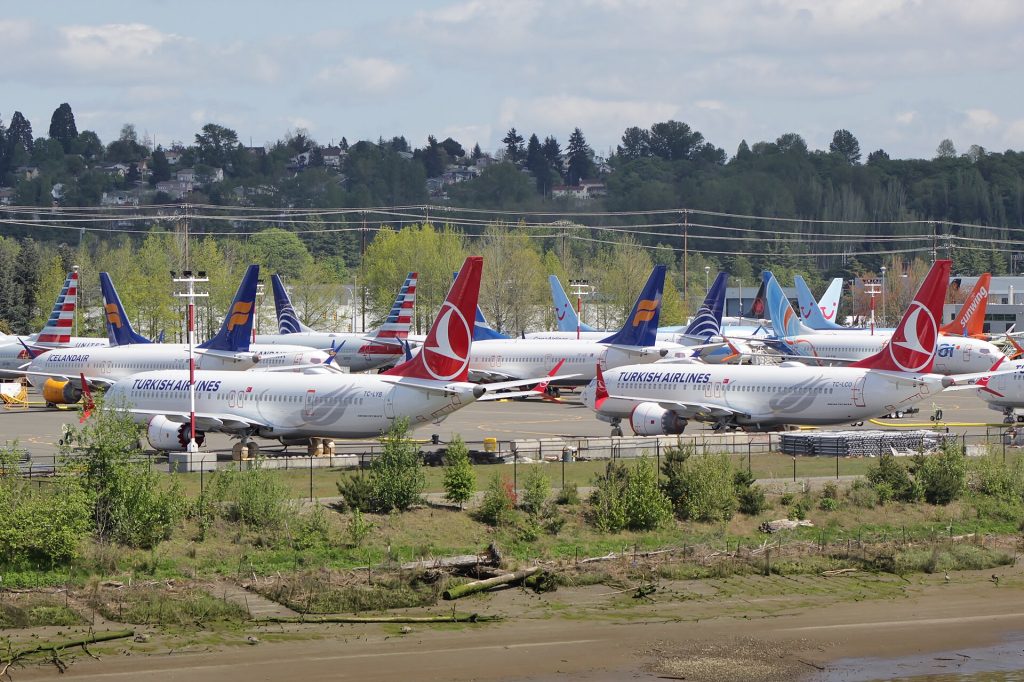
At the heart of the decision is a slippage in Boeing's output ambitions. The company has deferred its goal of reaching a 737 MAX monthly production rate of 52 aircraft, pushing that milestone back from 47 to the latter part of 2027, according to Gulf News and Flying Magazine. Boeing has also conceded that its 737 MAX delivery target for 2026 will not be met, Gulf News reports.
Boeing commercial chief Stephanie Pope was direct about the connection between slower output and headcount. "Adjusting our production schedules and reducing aircraft output puts us in an overstaffed position," she said, as reported by Gulf News.
The Scale of the Cuts
Boeing Commercial Airplanes employed 50,494 people as of 2025, the Seattle Times reported, as cited by Flying Magazine, meaning a 5% reduction translates to around 2,500 positions. At that same point in time, Boeing's overall headcount across the business stood at approximately 182,000, the Seattle Times noted, as cited by Flying Magazine. No precise figure for the number of roles to be eliminated has been disclosed, the Seattle Times reported, again via Flying Magazine.
Boeing told Flying Magazine in its own interview: "As we adjust our production plans, we are aligning staffing levels to those updated plans and the overall needs of the business."
What Ortberg Said About the Path Ahead
CEO Kelly Ortberg has pointed to production stability as the central problem Boeing still needs to solve. Gulf News reported that Ortberg highlighted the importance of achieving more consistent output from both wing manufacturing and the fuselage operation at the company's Kansas facility. Speaking in his own words, as reported by Gulf News, Ortberg said: "We're making progress, but we still have more work to do, and I'm expecting it'll take us into next year to get fully stable at this rate."
That framing is worth noting. Ortberg is not signalling a crisis, but he is not claiming the ramp-up is on schedule either. The admission that full stability is still months away reinforces why the production target had to move.
Certifications This Year Have Not Translated to Higher Output
Gulf News reported that US FAA certification was secured this year for both the 737 MAX 7 and the 737 MAX 10. Securing that regulatory approval is a significant step, yet it does nothing in itself to increase the number of aircraft rolling off the production line. What ultimately determines Boeing's position is how quickly it can manufacture and hand over the jets it now has authority to sell, and this latest announcement signals that the company remains some distance from the standard it requires.
We examined the detail of Boeing's fourth 737 production line earlier this month in Boeing's Fourth 737 Line: What the Production Numbers Actually Show, and the picture there was already one of cautious progress rather than a confident march to higher rates.
For a broader view of Boeing's position in the market, readers can explore the Manufacturer Search tool.
Market Reaction and What to Watch
Gulf News reported that Boeing shares were down less than 0.1% after midday on the day of the announcement, suggesting the market had largely priced in the production difficulties.
The question now is whether the second half of 2027 target for 52 aircraft per month holds. Any further delay would put additional pressure on airlines waiting for deliveries, some of which, as we noted in our coverage of Air Canada's US network cuts, are already adjusting capacity plans in response to fleet uncertainty.
The Bottom Line
Boeing is trading near-term headcount for a more stable production foundation. The jobs announcement is a consequence of the same production difficulties that have defined the 737 MAX programme for the past two years. Whether the workforce reduction delivers the predictability Ortberg is looking for will become clear as the company works towards its revised 2027 target.
This article draws on reporting by gulfnews, The New York Times and Flying Magazine.
Continue to follow The Aviation Hub for more analysis and insight.
Advertise with us Your brand, in front of an aviation audience Home page and in-article placements, sold directly, one advertiser per slot. From £250 a year. See the rates