A fresh bomb threat wave swept across European aviation on Thursday 5 November, forcing diversions, evacuations and military escorts from Normandy to Bulgaria. Every threat so far has proved to be a hoax. Even so, the disruption reached at least 25 flights, according to a Reuters tally, making it the worst day yet in a week of false alarms.
Ryanair, Wizz Air, Aer Lingus, Finnair, LOT, Iberia, Air Europa, Aegean, Air Serbia, easyJet and Sky Express all had services caught up. Fighter jets from France, Italy and Bulgaria also launched to shadow airliners onto the runway, as RTÉ reported.
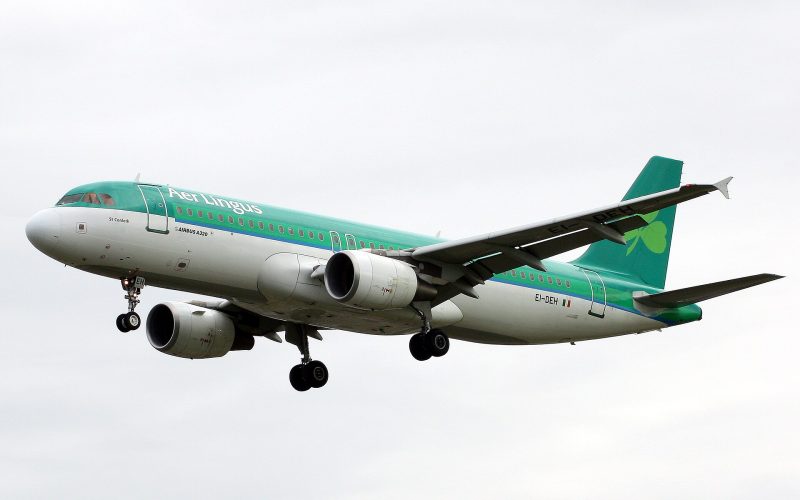
Aer Lingus EI402 Diverted to a French Air Base
The first major bomb threat of the day involved Aer Lingus flight EI402 from Dublin to Rome Fiumicino. The Airbus A320 left Dublin at 06:24 with 151 passengers and six crew on board.
French Air and Space Force jets then escorted the aircraft to the military air base at Évreux, west of Paris. A bomb squad was waiting, and everyone on board moved to safety, the French prime minister’s office told Al Jazeera. Aer Lingus called the diversion a security precaution and promised to get passengers to Rome as soon as possible.
Ryanair Flights Escorted Into Bulgaria
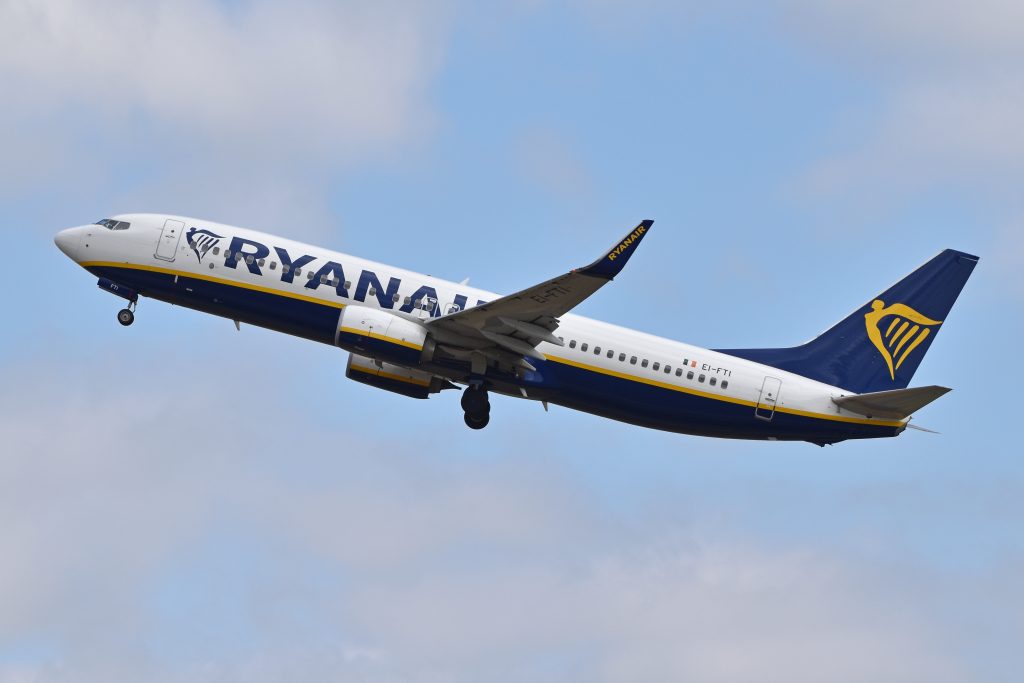
Three Ryanair services bound for Sofia received emailed threats at almost the same moment. FR6410 from Madrid and FR3606 from Copenhagen continued to Sofia. However, FR1730 from London Stansted, which departed around 06:00, diverted to Plovdiv instead.
Bulgarian MiG-29s from Graf Ignatievo escorted all three aircraft, UK Aviation News reported. Inspectors found nothing on board. Ryanair then arranged onward transport from Plovdiv to Sofia for the Stansted passengers.
The Other Flights Hit by a Bomb Threat Today
The flight numbers below come from airline statements and the running tally that The Guardian compiled and Simple Flying published.
Italian Air Force Eurofighters escorted Finnair AY1761 from Helsinki into Rome, where bomb disposal teams found nothing. A second Finnair service, AY1471 to Vienna, landed normally after its own threat. Jettime operated that flight on Finnair’s behalf.
Wizz Air W46387 from Milan Malpensa to Warsaw diverted to Vienna. Meanwhile, W43064 from Milan to Bucharest was already on final approach and landed as planned, Reuters reported.
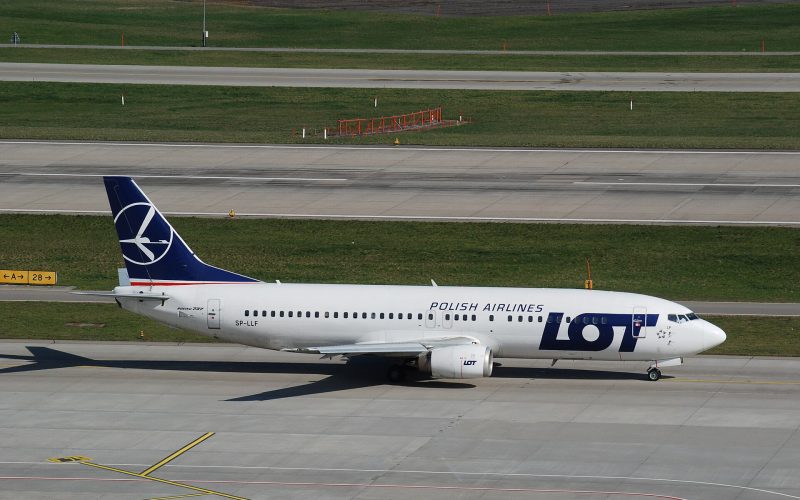
In Poland, LOT flight LO235 from Warsaw landed safely in Brussels. A separate LOT departure to Paris stopped while taxiing, and its passengers continued on a different aircraft, according to RTÉ’s airline roundup.
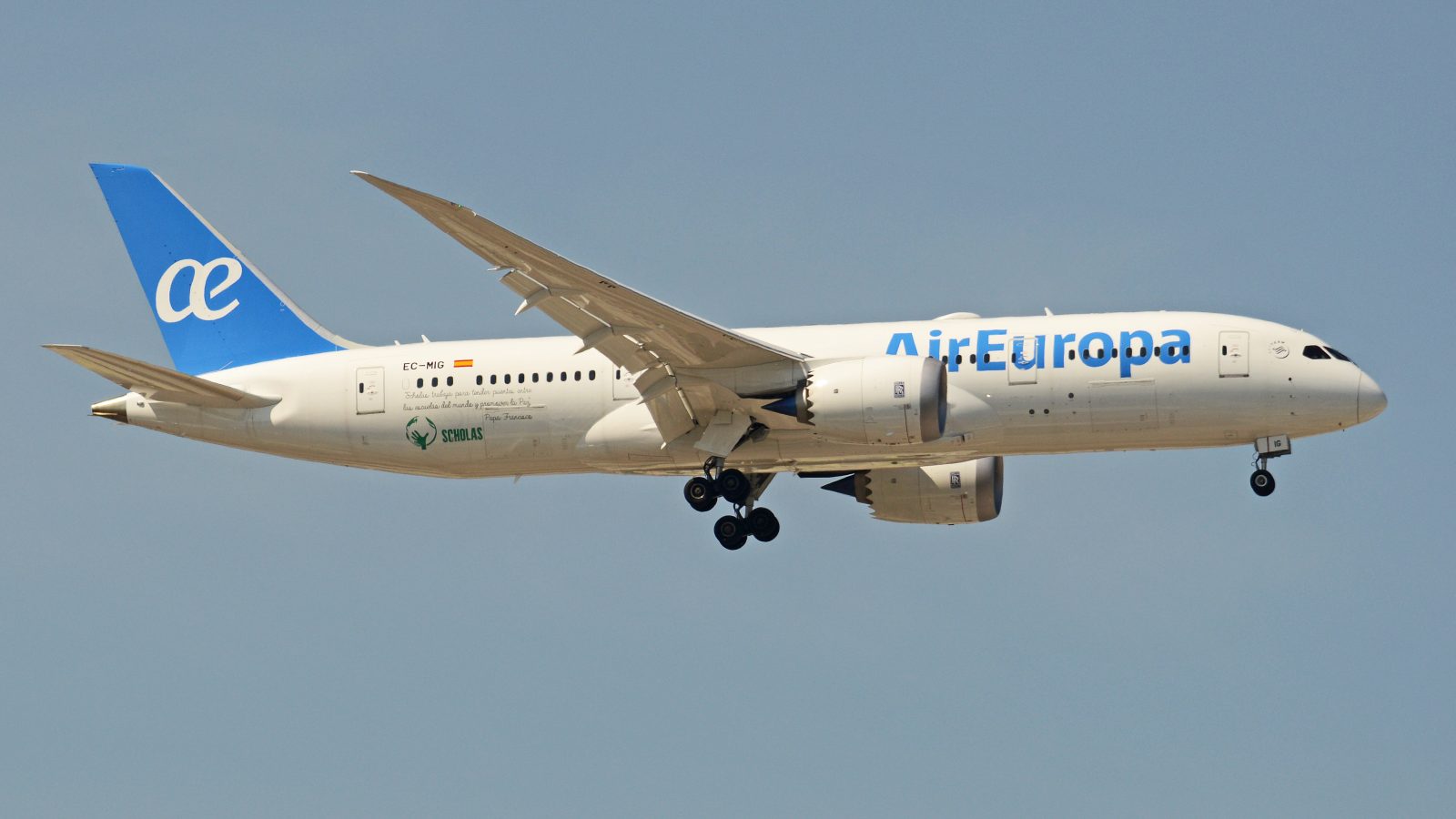
Spain’s Guardia Civil received three emailed threats within 20 minutes, affecting six flights at Madrid Barajas, ABC News reported. Air Europa evacuated UX1027 to Paris Orly before departure, then cleared it to fly, the BBC reported. Among the Iberia arrivals, IBE668 from Milan and IBE658 from Rome landed under security protocols.
Further east, Air Serbia JU102 from Belgrade landed in Bucharest before checks found nothing. Aegean A3552 from Thessaloniki and Ryanair FR8953 from Porto both landed in Milan after threats. Aegean A3860 from Athens to Vienna joined the list in the afternoon.
In Prague, four arrivals received threats. They included two easyJet flights from Newcastle and Glasgow, plus Ryanair and Sky Express services. Czech police said, “We perceive the credibility of the threats as low,” according to RTÉ. Two aircraft arriving in Copenhagen and a Ryanair flight from Cork to Stansted also faced checks, Reuters reported.
Who Is Behind the Bomb Threat Campaign?
Nobody has claimed responsibility for the whole campaign. However, one email offers a clue. A group calling itself the Male State sent threats naming the Dublin and Helsinki flights to Rome, CNN reported. It emailed Aviapartner, a Belgian company that handles baggage at Fiumicino, and railed against what it called a feminist regime.
Several other threats also arrived by email, including those sent to Prague, Sofia and Madrid. In Prague, the police’s National Centre against Terrorism, Extremism and Cybercrime has now taken over the investigation.
EU transport commissioner Apostolos Tzitzikostas said it was “too early to draw conclusions” on any link, Euronews reported. UK Transport Secretary Heidi Alexander described the threats as malicious hoaxes, Yahoo News reported.
The timing still raises questions. European officials have repeatedly blamed Russia and Iran for hybrid attacks on infrastructure, although both deny any such campaign, CNN noted. No government has attributed this week’s threats to either country.
What a Bomb Threat Wave Means for Winter Air Travel
Thursday did not happen in isolation. On Monday, a Wizz Air flight from Luton to Sofia diverted to Budapest under a Hungarian Gripen escort, RTÉ reported. On Tuesday, at least seven flights and a cruise ship received threats, and Warsaw Modlin briefly closed after a LOT 737 MAX from Heathrow diverted there. Osprey Flight Solutions called seven confirmed threats in one day exceptional, CNN reported. Thursday more than tripled that figure.
For airlines, each bomb threat carries a real cost even when searches find nothing. A diverted A320 strands its crew and aircraft away from base, and the disruption ripples through the rest of the day’s rotations.
Winter makes that harder. Fog, snow and deicing already squeeze turnaround times from November to February. Short daylight also leaves less room to recover a schedule late in the day. A diversion to a military field with limited handling, such as Évreux, compounds that pressure.
There is a positive sign, however. Only three of Thursday’s flights diverted, while most continued to their destinations for checks on arrival. That suggests authorities are already grading each bomb threat quickly and diverting only when they judge a risk credible.
It may well persist for weeks. Email threats cost almost nothing to send and remain hard to trace. Every one still demands a response, which hands the sender exactly the disruption they want.
Precedent supports that view. In October 2024, Indian airlines received more than 70 hoax threats in a single week, prompting diversions to Canada and Germany, Malay Mail reported. The threats continued even after police made an arrest.
Aviation security professor Philip Baum told the BBC that the industry handles multiple threats every day. He warned that a flood of hoaxes risks complacency, or could even act as a diversion. Similarly, Eliran Almog of Cyviation told Reuters the threats may also help someone observe how airlines and authorities respond.
That is the real winter risk. Passengers should expect more alerts, more searches on arrival and occasional fighter escorts. The greater danger is fatigue, because the bomb threat that matters will look exactly like the 25 that did not. You can follow new alerts on our Squawk 7700 page.
Continue to follow The Aviation Hub for more analysis and insight.
Advertise with us Your brand, in front of an aviation audience Home page and in-article placements, sold directly, one advertiser per slot. From £250 a year. See the rates