British Airways A380 Refurbishment: Five Things It Tells Us
British Airways is refurbishing all 12 of its Airbus A380s, and the details reveal as much about the airline's strategy as the new cabins themselves.
 By The Aviation Hub
5 min read
By The Aviation Hub
5 min read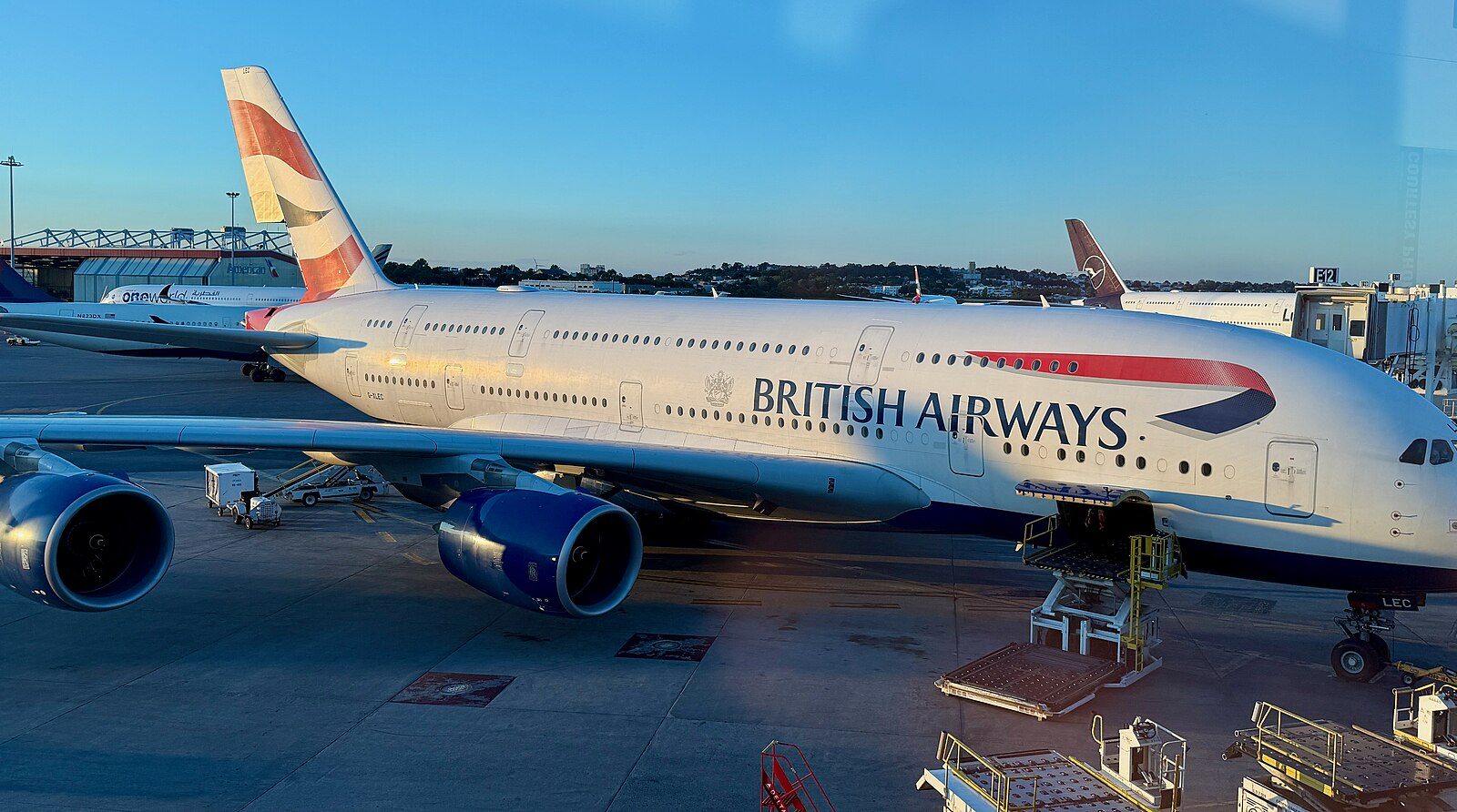
British Airways has announced a full cabin refurbishment of its British Airways A380 fleet, covering all 12 aircraft across all four classes. The programme puts BA among the last carriers in the world to make a substantial investment in the type, and the details tell a revealing story about where the airline is headed.
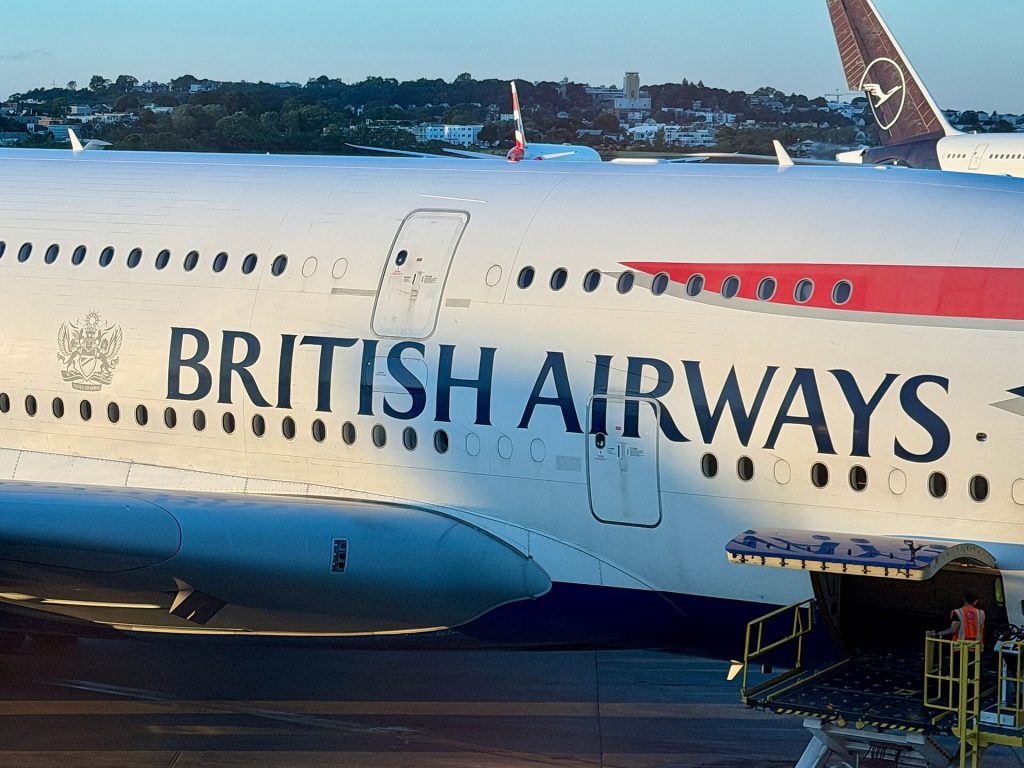
BA May Be the Last Airline to Refurbish the British Airways A380
Head for Points notes that Airbus ended A380 production in 2021 after building 254 aircraft, including three test planes. With the total fleet only shrinking as carriers phase the type out, this refurbishment is likely to be the last major cabin investment any airline makes in the A380.
Qantas completed its A380 refurbishment during the Covid period. Singapore Airlines refreshed its fleet back in 2017 and, according to Head for Points, does not look likely to retain the type long after Boeing 777X deliveries begin. British Airways is, in the words of that analysis, "one of the, if not the, last airline to make a substantial investment in its A380s."
You can explore BA's full fleet history using our Aircraft Search tool.
Why BA Has No Choice But to Keep Flying Them
The A380 has become an expensive aircraft to operate. Former Airbus salesman John Leahy has said the type was "shafted" by engine-makers who directed next-generation engine technology to Boeing's Dreamliner programme instead, leaving the A380's four engines without the same efficiency gains.
Head for Points describes the aircraft as "gas guzzlers" compared with the A350 and Boeing 787, which most airlines now prefer for their superior fuel efficiency. But British Airways does not have the same freedom to substitute smaller aircraft, because Heathrow is slot-constrained. BA needs the A380 as a high-capacity workhorse to keep passenger numbers stable. The airline is putting all 12 through 12-year maintenance checks designed to keep them flying for at least another decade.
An Incremental Upgrade Rather Than a Generational Leap
The refurbishment is not a ground-up redesign. Head for Points describes it as largely a cosmetic update combined with the introduction of a more consistent experience across all four cabins. The new Club Suite remains based on the Collins Aerospace Elevation platform that BA introduced in 2019, rather than the newer Elements seat now flying with Etihad, Starlux and Cathay Pacific.
The inflight entertainment system will use Panasonic NEXT screens rather than the newer 4K OLED Astrova line. BA is introducing Bluetooth pairing and USB-C charging, but the analysis concludes this is "more of the same rather than a generational leap forward." Given current certification delays and production pressures across the industry, that may be a deliberate and sensible choice to get aircraft back into service quickly.
Two Long-Standing Club Suite Problems Have Been Fixed
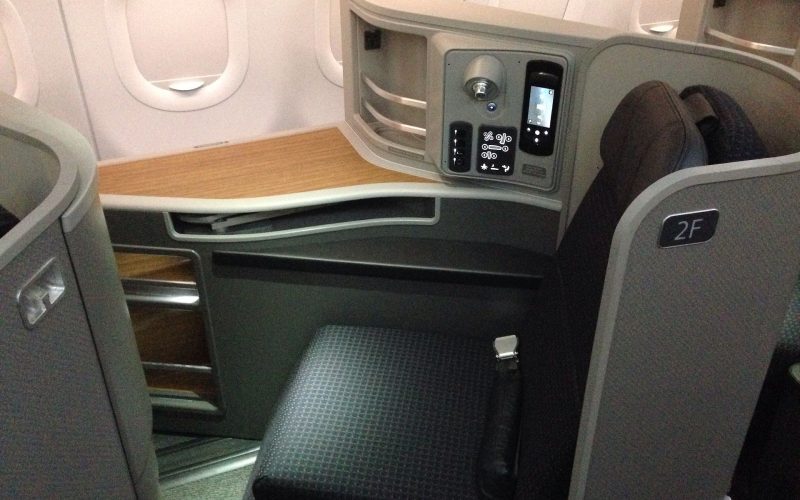
Two specific Club Suite complaints have been addressed, and both had been well-documented by passengers. The first is the storage cupboard at shoulder level, which previously had a door that scratched the pop-up storage surface on the side console. The door has been removed and replaced with an open unit fitted with a dedicated headphone hook, making the space both more practical and less prone to damage.
The second fix addresses the bed. When Club Suite was converted to lie-flat mode, the join between the seat-pan and the seat-back left an uncomfortable gap with inadequate padding. John Bradley, Head of Cabin Products at British Airways, is quoted by Head for Points as saying: "We also adjusted the cushions to reduce the gaps between them when the seat converts into a bed, creating a more comfortable sleeping surface."
Whether the same cushion fix will be rolled out to the wider fleet remains to be confirmed.
The Functional Spaces Are a Genuine Surprise
One area where the refurbishment has exceeded expectations is the treatment of galleys, entrances and other shared spaces on board. Historically these areas have prioritised function, with stainless steel, wipe-clean surfaces and neutral panelling that do little to convey a sense of brand. According to Head for Points, the refurbished A380 takes a noticeably different approach, with navy and herringbone wood finishes and curved edges replacing the harder lines of the existing fit-out.
The analysis describes it as an "inessential investment" that BA was not expected to make, but credits the airline for doing so. The result is a more cohesive feel throughout the aircraft, not just in the paid cabins.
Only a Small Fraction of Passengers Will See the Difference
The limitation of any A380-focused programme is simple arithmetic. With just 12 aircraft in the fleet, only a small share of BA passengers will ever board one. Head for Points points out that British Airways continues to refurbish its 787s with the older cabin specification, meaning the majority of the long-haul fleet will not receive Bluetooth pairing, USB-C charging or the improved lie-flat bed in the near term.
The real test of BA's long-haul ambition will come when Boeing finally delivers the 777X, and when further 787-10 deliveries are confirmed. We have previously reported on exciting new British Airways flights planned for summer 2027, and the cabin specification on those aircraft will matter as much as the routes themselves.
The Bottom Line
The British Airways A380 refurbishment is a pragmatic programme rather than a transformational one. It fixes real problems, improves consistency and invests in areas of the aircraft that most carriers ignore, all without reaching for the very latest technology. For an airline locked into Heathrow's slot constraints and committed to keeping 12 large four-engine jets flying for another decade, that is probably the right call. The bigger question is what cabins will appear on the next generation of BA widebody aircraft, and when.
Continue to follow The Aviation Hub for more analysis and insight.
Advertise with us Your brand, in front of an aviation audience Home page and in-article placements, sold directly, one advertiser per slot. From £250 a year. See the rates